
Transforming Product Experience and Brand Loyalty in a Dynamic Market
Smart Packaging
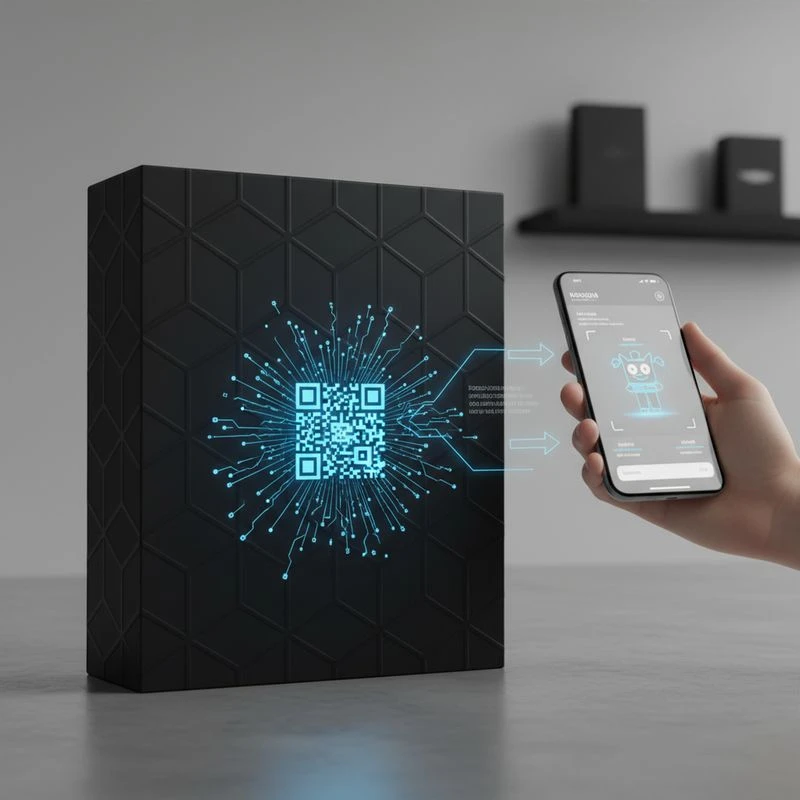
The landscape of consumer interaction is rapidly evolving, and for brands in South Africa, embracing innovation in packaging is no longer an option but a strategic imperative. Smart QR Packaging offers a transformative approach, moving beyond mere containment to become an interactive gateway between products and consumers. The core takeaway here is that by integrating intelligent QR codes directly onto your product packaging, businesses can unlock a wealth of opportunities for enhanced consumer engagement, data collection, and brand storytelling. This shift from static to dynamic packaging allows brands to deliver rich, contextual information and experiences directly to a customer’s smartphone, creating a truly personalised journey that resonates deeply with the diverse and digitally-savvy South African population.
The reasoning behind this rapid adoption lies in the pervasive nature of mobile technology across South Africa. With high smartphone penetration, consumers are increasingly accustomed to accessing information on demand and engaging with digital content. Traditional packaging, while essential for protection and basic branding, often falls short in meeting these modern expectations. Smart QR Packaging addresses this gap by transforming every product into a media channel. Imagine a consumer in a Durban supermarket scanning a QR code on a local spice blend and instantly accessing recipe videos, the farmer’s story, or even a promotional discount tailored to their purchasing history. This level of immediacy and relevance fosters a deeper connection than any static label ever could. Furthermore, it provides a powerful tool for combating the pervasive issue of counterfeiting, particularly in sectors like pharmaceuticals and luxury goods, by enabling consumers to verify product authenticity with a simple scan.
Implementing Smart QR Packaging involves several actionable steps. Firstly, brands need to define the specific objectives they wish to achieve – whether it’s increasing sales, building loyalty, or improving transparency. Secondly, selecting a robust QR code platform that allows for dynamic content management and analytics is crucial. This platform should be capable of generating unique QR codes for each product unit, if anti-counterfeiting or individual tracking is a goal. Thirdly, design engaging digital content that is mobile-optimised and culturally relevant for the South African audience. This could range from localized language options to content featuring popular local influencers or events. Finally, educate consumers on the benefits of scanning the QR code, perhaps through on-pack calls to action or in-store signage. A potential pitfall is creating content that isn’t engaging or relevant, leading to low scan rates; the solution is continuous A/B testing and consumer feedback loops to refine the digital experience. By embracing Smart QR Packaging, South African brands can move from simply selling products to offering an immersive, interactive brand experience that truly sets them apart.
| Feature | Traditional Packaging | Smart QR Packaging |
|---|---|---|
| Information Delivery | Static, limited text/graphics | Dynamic, multimedia (video, AR, web links) |
| Consumer Interaction | Passive (reading) | Active (scanning, exploring, engaging) |
| Data Collection | None directly from packaging | Real-time scan data (location, time, frequency) |
| Authenticity Verification | Visual inspection (labels) | Instant digital verification |
| Supply Chain Visibility | Limited, manual tracking | Enhanced, item-level tracking |
| Marketing Potential | Fixed promotions | Personalised, dynamic campaigns |
This table clearly illustrates the fundamental shift in capabilities when moving from traditional packaging methods to the innovative Smart QR Packaging approach. It highlights how smart packaging fundamentally redefines the relationship between a brand and its consumer, offering a dynamic and data-rich interaction that static packaging simply cannot match. For South African brands, these enhanced features translate directly into a competitive advantage in a crowded marketplace.
Digital Integration
The true power of Smart QR Packaging is unleashed through its seamless digital integration, turning every physical product into a direct portal to a brand’s online ecosystem. The key takeaway is that brands must design a robust and intuitive digital journey that complements the physical product, ensuring that scanning a QR code leads to a valuable and engaging experience. This isn’t just about linking to a website; it’s about connecting consumers to targeted content, interactive experiences, and personalised services that enhance their perception of the brand. For the South African market, where mobile internet usage is dominant, a mobile-first design philosophy is paramount to ensure accessibility and positive user experience across diverse devices and network conditions.
The reasoning behind prioritizing digital integration lies in the modern consumer’s expectation for instant gratification and rich, interactive content. When a consumer scans a Smart QR Packaging code, they anticipate more than just product specifications; they expect engaging videos showcasing the product’s use, virtual try-on experiences for apparel, direct links to customer support, or even augmented reality (AR) overlays that bring the packaging to life. In South Africa, this could mean providing nutritional information in multiple official languages, offering traditional recipes for food products, or detailing the local sourcing of ingredients, all accessed via a quick scan. This level of integration builds trust and transparency, allowing brands to tell their story in a compelling and multi-faceted way that traditional print alone cannot achieve. It also opens avenues for direct-to-consumer sales, loyalty program enrollment, and real-time feedback mechanisms, all critical for understanding and serving the dynamic South African consumer base.
To successfully integrate Smart QR Packaging digitally, brands should follow several actionable steps. Firstly, ensure that all landing pages and digital assets linked via QR codes are fully mobile-responsive and optimised for speed, as slow loading times are a significant deterrent. Secondly, diversify the type of digital content offered; don’t just link to a generic homepage. Instead, offer a menu of options: product tutorials, social media channels, customer reviews, loyalty program sign-ups, or even educational content about sustainability efforts. Thirdly, consider integrating location-based services where appropriate, tailoring offers or information based on the user’s geographical context within South Africa. A common pitfall is linking to outdated or poorly designed digital content, which can frustrate users and erode brand trust. The solution involves regular content audits, user testing with a diverse South African demographic, and continuous improvement based on analytics data. By proactively managing and optimising the digital experience associated with Smart QR Packaging, brands can cultivate a loyal customer base that feels truly connected and valued.
B2B Innovation
Beyond direct consumer interaction, Smart QR Packaging presents significant opportunities for B2B innovation, particularly within the complex supply chains prevalent in South Africa. The primary takeaway for businesses is that these intelligent packaging solutions can dramatically enhance operational efficiency, improve supply chain transparency, and provide robust anti-counterfeiting measures that benefit the entire value chain. By embedding unique, serialized QR codes onto each product, manufacturers, distributors, and retailers gain unprecedented visibility into a product’s journey from factory to shelf. This granular level of tracking translates into reduced losses, improved inventory management, and a stronger foundation for trust among all stakeholders involved in the product’s distribution.
The reasoning behind Smart QR Packaging’s B2B benefits stems from its ability to generate verifiable data at every touchpoint. In a market like South Africa, which can sometimes face challenges with parallel imports or counterfeit goods, the ability to authenticate products instantly is invaluable. For distributors, scanning a pallet of goods with Smart QR-enabled items allows for rapid verification of origin and batch information, streamlining receiving processes and reducing errors. For retailers, it simplifies inventory audits, stock rotation, and even facilitates swift product recalls by pinpointing affected batches with precision. This not only mitigates financial risks but also protects brand reputation by ensuring only genuine products reach the end consumer. Furthermore, the data collected from these scans can inform production planning, optimise logistics routes, and highlight bottlenecks, driving continuous improvement across the entire supply chain ecosystem.
Implementing Smart QR Packaging for B2B innovation requires a structured approach. Firstly, businesses should map out their existing supply chain to identify key points where QR code scanning can add the most value, such as factory gate, distribution centre entry/exit, or retail delivery. Secondly, invest in a robust tracking and management platform that can handle large volumes of serialized data, offering features like batch tracking, authentication verification, and detailed reporting. Thirdly, train staff across all relevant departments – production, logistics, warehousing, and retail – on how to correctly scan and interpret the data provided by the Smart QR codes. A significant pitfall can be the lack of interoperability between different systems used by various supply chain partners, leading to data silos. A solution involves selecting a platform that offers open APIs for seamless integration with existing ERP, WMS, or inventory management systems, ensuring a unified data view across the entire B2B network. By strategically deploying Smart QR Packaging, South African enterprises can build more resilient, transparent, and efficient operations, ultimately driving down costs and enhancing overall market integrity.
Customer Engagement
At the heart of Smart QR Packaging lies an unparalleled potential for deepening customer engagement, transforming passive consumption into an active, personalised brand experience. The key takeaway for South African brands is to leverage these interactive codes to foster stronger emotional connections with their audience, driving loyalty and repeat purchases. By providing instant access to rich, dynamic content and tailored experiences, Smart QR Packaging allows brands to move beyond generic marketing messages and deliver highly relevant interactions that resonate with individual consumer preferences and cultural nuances. This shift empowers customers to explore, learn, and interact with products on their own terms, creating a more memorable and satisfying journey.
The reasoning for this heightened engagement is multifaceted. Firstly, Smart QR Packaging provides an immediate pathway for brands to tell their story in an engaging format, whether it’s the heritage of a local wine, the sustainable practices behind a textile product, or the nutritional benefits of a food item. In a diverse market like South Africa, the ability to deliver content in various languages or highlight community impact can significantly enhance relevance. Secondly, these codes can be used to run dynamic promotions, competitions, or loyalty programmes that are easily accessible and frequently updated, encouraging repeat scans and purchases. Imagine a customer scanning a code on a snack bag to enter a competition to win tickets to a local music festival, or accruing loyalty points that can be redeemed at a nearby store. Thirdly, Smart QR Packaging facilitates direct feedback loops, allowing customers to easily share reviews, ask questions, or report issues, making them feel heard and valued. This direct communication channel is invaluable for building a loyal customer base and for rapidly addressing any concerns, which is crucial for maintaining positive brand perception in a competitive environment.
To maximize customer engagement with Smart QR Packaging, brands should implement several actionable strategies. Firstly, design compelling and clear calls to action on the packaging itself, explicitly stating what value the customer will gain from scanning the QR code (e.g., “Scan for exclusive recipe!” or “Scan to win!”). Secondly, ensure the digital content linked to the QR code is not only high-quality but also frequently refreshed to provide a reason for repeated interaction. This might involve seasonal content, new recipes, or updated promotions. Thirdly, integrate the QR scanning experience with existing loyalty programmes or CRM systems to allow for personalised offers and communication based on past interactions. A common pitfall is overcomplicating the digital journey or requiring too many steps from the consumer after the initial scan. The solution is to keep the path to desired information or interaction as short and intuitive as possible, optimising for a seamless mobile experience. By focusing on creating genuinely valuable and interactive digital content, South African brands can transform their packaging into a powerful tool for building enduring customer relationships.
Tracking
The ability to track and analyze consumer interactions is one of the most compelling advantages of Smart QR Packaging, offering brands unprecedented insights into product performance and consumer behavior. The core takeaway here is that by implementing a robust tracking system, businesses in South Africa can move beyond anecdotal evidence, gathering precise, actionable data that informs marketing strategies, product development, and supply chain optimization. Every scan of a Smart QR code generates valuable data points, including geographical location of the scan, time of interaction, frequency of scans, and the type of device used. This data provides a rich tapestry of information, allowing brands to understand who their customers are, where they are engaging with products, and what content resonates most effectively.
The reasoning behind the critical importance of tracking lies in the power of data-driven decision-making. In a diverse and dynamic market like South Africa, understanding regional differences in consumer preferences or pinpointing effective retail locations can be a game-changer. For example, if data shows a particular product’s QR code is being scanned frequently in a specific province, it might indicate a strong market presence there, prompting increased marketing efforts or distribution. Conversely, low scan rates in another area could signal a need for revised strategies. Tracking also provides invaluable insights into campaign effectiveness; brands can launch different digital promotions via QR codes and immediately see which one generates the most engagement. This real-time feedback loop allows for agile adjustments, ensuring marketing spend is optimised and campaigns are always performing at their best. Furthermore, for anti-counterfeiting efforts, tracking individual product scans can identify patterns indicative of illicit activity, providing early warnings and actionable intelligence to protect intellectual property.
To effectively leverage tracking through Smart QR Packaging, brands should follow a series of actionable steps. Firstly, choose a Smart QR platform that offers comprehensive analytics dashboards and customisable reporting features, allowing for easy data interpretation. Secondly, define key performance indicators (KPIs) related to your objectives, such as scan rates, unique users, conversion rates (e.g., to a landing page or purchase), and geographical distribution of scans. Thirdly, regularly review and analyze the collected data to identify trends, opportunities, and areas for improvement. This might involve weekly or monthly reports that are shared across relevant departments. A significant pitfall is collecting data without a clear strategy for analysis or action, leading to data overload without practical insights. The solution is to integrate the Smart QR Packaging data with existing CRM or business intelligence tools, creating a holistic view of the customer and product journey. Moreover, always ensure data collection and usage comply with South African data privacy regulations, building trust with consumers. By diligently tracking and acting upon the insights gleaned from Smart QR Packaging, South African businesses can gain a formidable competitive edge.
| Data Point | Benefit for South African Brands | Actionable Insight Example |
|---|---|---|
| Scan Location (GPS) | Identifies geographic interest, informs regional marketing. | Increased marketing budget for provinces with high engagement. |
| Scan Time & Date | Reveals peak engagement times, optimises content release. | Schedule social media posts and promotions during high scan periods. |
| Device Type & OS | Ensures mobile optimization for dominant device types. | Prioritize content compatibility for Android users if prevalent. |
| Scan Frequency (per product) | Indicates product interest, repeat engagement, or potential counterfeits. | Monitor unusual high frequency for fraud detection; reward repeat scanners. |
| Content Accessed | Identifies preferred digital content (recipes, videos, offers). | Create more content similar to what’s frequently accessed. |
This table outlines the crucial data points that Smart QR Packaging can capture, translating raw interactions into strategic insights. For South African brands, understanding these metrics is vital for tailoring their outreach, optimising their product offerings, and refining their market approach to better resonate with a diverse consumer base. The ability to act on this granular data provides a clear path to enhanced business performance and customer satisfaction.
| Phase | Description | Key Actions for South African Market |
|---|---|---|
| 1. Strategy & Planning | Define goals, target audience, and content strategy. | Identify specific pain points (e.g., counterfeiting, low engagement) relevant to SA consumers/supply chain. Research local consumer digital habits. |
| 2. Platform Selection | Choose a suitable Smart QR Packaging platform provider. | Select a provider with local support, scalability for SA market growth, and robust analytics capabilities. |
| 3. Content Development | Create engaging, mobile-optimised digital content. | Develop multilingual content (e.g., English, Zulu, Xhosa), culturally relevant stories, and localized promotions. |
| 4. Packaging Integration | Incorporate QR codes into product packaging design. | Ensure clear “call to action” on packaging. Consider durability of QR code on packaging for various SA retail environments. |
| 5. Launch & Promotion | Roll out Smart QR Packaging and market its benefits. | Utilize social media and in-store promotions to educate SA consumers on how to scan and what to expect. |
| 6. Monitor & Optimise | Track performance, analyze data, and iterate. | Continuously review scan data (location, time, content accessed) to refine content and strategy for the diverse SA consumer. |
This phased implementation guide provides a clear roadmap for South African businesses looking to adopt Smart QR Packaging. By following these steps, brands can systematically integrate this technology into their operations, ensuring a smooth transition and maximizing the benefits of enhanced consumer engagement and data insights tailored to the unique dynamics of the South African market.
