
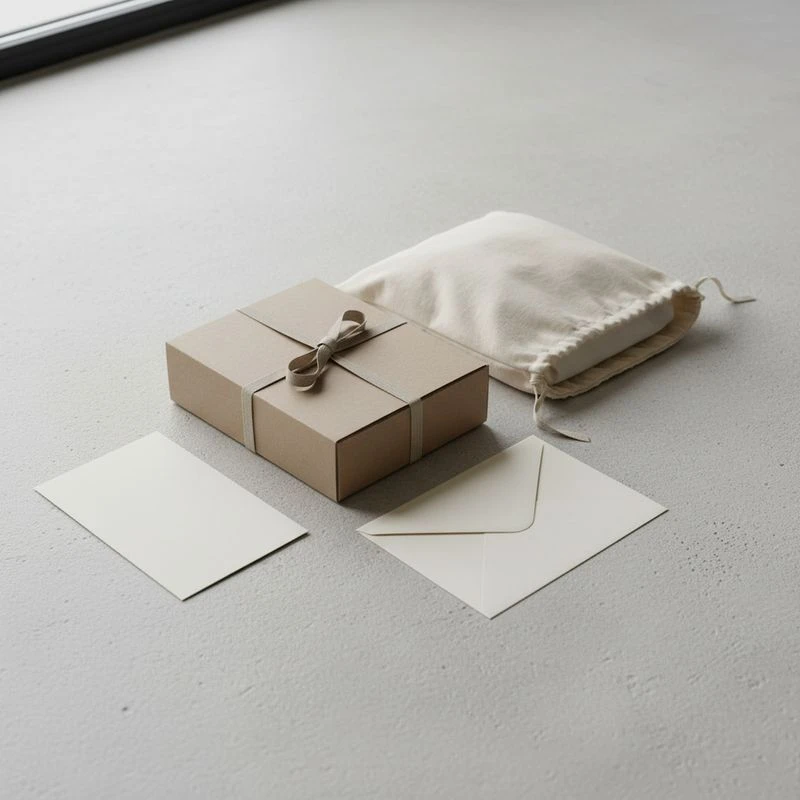
How Strategic Packaging Transforms Your Apparel Brand in a Competitive Market
Fashion Packaging
In the vibrant and rapidly evolving South African fashion landscape, distinguishing your brand goes far beyond the quality of your garments. The initial interaction a customer has with your product, often before they even see the item itself, sets a crucial tone. This initial touchpoint is your packaging. Minimalist Custom Packaging for Fashion and Apparel is not merely about encasing an item; it’s a powerful, cost-effective brand differentiator that speaks volumes about your aesthetic, values, and attention to detail. For South African brands looking to make a significant impact, a thoughtful approach to packaging can elevate a purchase into an experience, fostering loyalty and positive word-of-mouth in a market increasingly attuned to both style and substance.
The reasoning behind this strategy is multifaceted. South African consumers, like their global counterparts, are becoming more discerning. They expect not just a product but a narrative, an experience that resonates with their personal values. Generic, uninspired packaging can quickly dilute the perceived value of even the most exquisitely crafted garment. Conversely, sleek, understated packaging communicates sophistication, luxury, and a commitment to quality. It suggests that if such care is taken with the outer shell, imagine the precision applied to the product within. Furthermore, the burgeoning e-commerce sector in South Africa means many customers’ first physical interaction with your brand is upon receiving a delivery. This “unboxing moment” becomes a critical stage for brand engagement. A beautifully designed, minimalist package transforms this moment from a simple transaction into a memorable event, encouraging sharing on social media and strengthening emotional ties to your brand. It’s an opportunity to reinforce your brand identity without relying on overt, sometimes overwhelming, branding elements, allowing the quality of the packaging material and the subtlety of the design to do the talking.
Implementing a minimalist packaging strategy involves several actionable steps. Firstly, focus on the quality and sustainability of your materials. In South Africa, there’s a growing appreciation for eco-friendly options. Consider recycled kraft paper, FSC-certified cardboard, or even innovative plant-based materials for your boxes and mailers. The tactile experience of the packaging itself should be premium. Secondly, embrace clean lines and ample negative space in your design. Your logo should be present but not dominating, perhaps embossed, debossed, or subtly foiled. A local high-end boutique might opt for a recycled kraft box, printed with a single, elegant foil-stamped logo in a matte finish, paired with a simple, natural cotton ribbon. This approach ensures that the packaging feels substantial and considered. Thirdly, think about the internal elements: tissue paper, a small brand card, or a simple garment bag. These should complement the minimalist aesthetic rather than detract from it, reinforcing the overall brand message. For instance, using unbleached tissue paper with a water-based ink pattern for an inner wrap can add a touch of sophistication without clutter.
Navigating the world of custom packaging isn’t without its potential pitfalls. One common mistake is prioritising aesthetics to the detriment of durability, especially for items shipped across South Africa’s vast geographical expanse. A beautiful box that arrives damaged undermines the entire experience. The solution lies in rigorous testing of material combinations and structural designs. Work closely with your packaging supplier to ensure the chosen materials and box constructions can withstand the rigours of transit. Another pitfall is the perception of high initial cost. While custom packaging may seem like a significant upfront investment, it’s crucial to view it as a marketing and brand-building expenditure. To mitigate initial costs, start with a smaller, manageable order quantity and scale up as your business grows. Explore local B2B printing partners who can offer competitive pricing for South African businesses and advise on cost-effective, yet premium, material alternatives. Engaging in a thoughtful, phased approach allows for refinement and optimisation, ensuring your Minimalist Custom Packaging for Fashion and Apparel genuinely reflects your brand’s commitment to excellence and sustainability within the dynamic South African market.
Garment Boxes
The selection and design of garment boxes play a pivotal role in the perceived value and integrity of your apparel brand, especially within the South African market where e-commerce continues its rapid expansion. A well-designed garment box does far more than simply contain a product; it serves as a critical protective layer during transit and significantly enhances the customer’s unboxing experience. In a country with diverse climates and varying logistics challenges, robust and aesthetically pleasing garment boxes are paramount. They ensure your clothing arrives pristine, free from creases, tears, or environmental damage, directly reflecting on your brand’s professionalism and care for its products. The aesthetic impact of a beautiful box, particularly when it adheres to minimalist principles, elevates the garment inside, transforming an ordinary delivery into an anticipated discovery. Imagine receiving a carefully folded, premium garment in a sturdy, elegantly understated box – this simple act can create a lasting positive impression and reinforce brand loyalty.
When considering garment boxes for your Minimalist Custom Packaging for Fashion and Apparel strategy, understanding the functional aspects is crucial. Protection from transit damage is paramount. This includes guarding against impacts, moisture, and dust, especially when shipping across long distances or through various climate zones within South Africa. Furthermore, a well-structured box helps prevent garments from creasing excessively, reducing the need for customers to iron or steam items immediately upon receipt, which contributes to a more convenient and satisfying customer experience. From an aesthetic perspective, the box itself is an extension of your brand’s visual identity. For a minimalist approach, the focus is on clean lines, a refined material palette, and subtle branding. Picture a premium linen shirt from a Cape Town designer arriving in a sleek, matte black mailer box, with a blind debossed logo on the lid and a simple, branded belly band holding the garment neatly inside. This attention to detail speaks volumes, enhancing the perceived quality of the garment before it’s even touched.
Implementing effective garment box solutions involves several strategic steps. Firstly, define the specific product dimensions to ensure a snug, yet not overly tight, fit. Custom-sized boxes reduce wasted space, minimise the need for excessive void fill, and contribute to a more professional presentation. Next, select appropriate material types and thicknesses. Mailer boxes, for instance, are excellent for e-commerce, offering a balance of protection and ease of assembly. Rigid boxes provide a luxurious feel, ideal for high-end items or gift packaging. Folding cartons are versatile and often more cost-effective for larger volumes. Consider material finishes – a matte laminate can exude sophistication, while a soft-touch coating adds a premium tactile element. Internally, enhance the experience with complementary elements like custom-printed tissue paper, branded packing slips, or a simple, elegant ribbon to secure the garment. For example, a South African swimwear brand might use a sturdy, recycled corrugated mailer box with an internal layer of branded tissue paper and a small, plantable seed paper tag as a thank-you note, reinforcing both quality and sustainability.
However, there are potential pitfalls to avoid. One common issue is using generic, off-the-shelf boxes that don’t fit your products precisely. This can lead to garments shifting during transit, increasing the risk of damage, and creating a less refined unboxing experience. The solution is to invest in custom-sized boxes tailored to your specific apparel items. While this might involve higher initial tooling costs, the enhanced customer satisfaction and reduced damage claims often justify the investment. Another pitfall is the risk of excessive shipping costs due to oversized or heavy boxes. Optimise dimensions to be as compact as possible while still offering adequate protection. This often requires working closely with your packaging supplier to find the ideal balance between material strength, box structure, and overall weight. By carefully considering these factors, South African fashion brands can leverage well-designed garment boxes as a cornerstone of their Minimalist Custom Packaging for Fashion and Apparel strategy, ensuring product integrity and an elevated customer experience.
| Box Type | Material Options | Durability | Cost-Effectiveness | Best Use Case |
|---|---|---|---|---|
| Mailer Boxes | Corrugated cardboard (various flutes), Recycled kraft | Good for shipping, protective against minor impacts | Moderate, cost-effective for mid-volume | E-commerce, subscription boxes, everyday apparel |
| Rigid Boxes | Thick paperboard wrapped with paper, cloth, or leatherette | Excellent, very sturdy and protective | Higher, premium choice for luxury items | High-end apparel, limited editions, gift sets |
| Folding Cartons | Paperboard (various thicknesses) | Moderate, good for lightweight items and internal packaging | Lower, very cost-effective for high volume | Internal packaging, accessories, light garments (e.g., scarves) |
This table outlines the primary types of garment boxes available, highlighting their material properties, durability, and cost implications relevant to South African fashion brands. Understanding these distinctions helps in selecting the most appropriate packaging solution that aligns with both product requirements and brand positioning, ensuring your Minimalist Custom Packaging for Fashion and Apparel delivers on both form and function.
Modern Design
In the realm of Minimalist Custom Packaging for Fashion and Apparel, modern design is not just a trend; it’s a strategic language that communicates sophistication, quality, and often, environmental consciousness. For South African fashion brands aiming to project an image of contemporary elegance, embracing a modern minimalist design aesthetic in their packaging is paramount. This design philosophy is characterised by its emphasis on clean lines, restrained colour palettes, strategic use of negative space, and refined typography. The absence of clutter allows for a heightened focus on the quality of materials and finishes, subtly conveying luxury without the need for ostentatious embellishments. This approach resonates deeply with today’s discerning consumer, particularly within the SA market, where authenticity, thoughtful design, and sustainable practices are increasingly valued. Modern minimalist packaging ensures that your brand stands out not through loudness, but through refined confidence and impeccable taste.
The reasoning behind the effectiveness of modern minimalist design stems from its ability to create a sense of calm and clarity in a visually noisy world. When a customer receives a package, the initial impression should be one of understated quality, not overwhelm. By stripping away non-essential elements, the design highlights what truly matters: your brand’s logo, the texture of the material, and the promise of the garment inside. This aligns perfectly with the ethos of many South African fashion brands that pride themselves on craftsmanship and considered design. Furthermore, a minimalist aesthetic often implies a certain level of sustainability. By using fewer materials, fewer colours, and simpler printing techniques, brands can reduce their environmental footprint, a crucial factor for eco-conscious consumers. For example, a local artisan knitwear brand might choose a natural, unbleached board with a single-colour print and a textured finish. This design choice not only looks elegant but also subtly communicates the brand’s commitment to natural fibres and sustainable production methods, reinforcing their values without explicit messaging.
To implement a modern minimalist design successfully, several actionable steps are essential. Firstly, commit to a limited colour palette, ideally one or two primary colours and a single accent if necessary. Often, monochrome or muted tones (e.g., charcoal, sage green, sandy beige) work best to create a sophisticated foundation. Secondly, prioritise typography. Select a clean, legible font that reflects your brand’s personality, and use it consistently. The placement and size of your logo should be intentional, often smaller and positioned within generous negative space to enhance its impact rather than diminish it. Thirdly, leverage high-quality printing techniques and finishes that add tactile interest without visual clutter. Options like blind embossing or debossing create texture and shadow without adding colour. Spot UV varnish can highlight a logo with a subtle sheen against a matte background. For instance, a luxury jewellery brand might use a deep charcoal box with a blind debossed logo and an interior lined with a contrasting, soft-touch material, creating a multi-sensory experience that whispers exclusivity. Consider the structural design of the packaging itself; unique shapes or clever closures can be minimalist yet memorable.
However, there are potential pitfalls to navigate when embracing modern minimalist design. One common issue is that too much minimalism can sometimes lead to blandness, failing to differentiate the brand in a crowded market. The solution is to ensure that while the design is simple, it is never dull. This can be achieved through premium material choices, unique textures, a distinctive structural design, or a subtle, unexpected detail. Another pitfall is inconsistent application across various product lines or touchpoints. If your garment packaging is minimalist but your hang tags or shopping bags are overly ornate, it creates a disjointed brand experience. The solution is to develop a strict brand style guide for all packaging elements, ensuring cohesive application. Work with experienced graphic designers who understand the nuances of minimalist design and can help translate your brand’s essence into a clean, impactful aesthetic. By carefully balancing simplicity with sophisticated execution, South African fashion brands can ensure their Minimalist Custom Packaging for Fashion and Apparel embodies modern elegance and leaves a lasting impression.
B2B Printing
For South African fashion brands committed to excellence in their Minimalist Custom Packaging for Fashion and Apparel, partnering with the right B2B printing company is an absolutely critical step. The quality of your chosen design, no matter how brilliant, can only be fully realised through the capabilities and precision of your printing partner. A local B2B printer with expertise in custom packaging understands the nuances of material sourcing, printing techniques, and logistics specific to the South African market. They can offer invaluable advice on everything from sustainable paper options to the most cost-effective yet premium finishes. Beyond just putting ink on paper, a reliable printing partner acts as an extension of your creative team, ensuring that your vision for understated elegance translates flawlessly into a tangible product. Their ability to deliver consistent quality, adhere to timelines, and offer tailored solutions is fundamental to maintaining your brand’s reputation and operational efficiency.
The reasoning behind selecting a local B2B printing partner, particularly in South Africa, extends beyond convenience. Local printers often have established relationships with local material suppliers, potentially leading to more competitive pricing, shorter lead times, and a reduced carbon footprint for your supply chain. They are also more likely to be familiar with local market demands and consumer preferences, which can be crucial for advising on appropriate packaging solutions. For instance, a South African printer might recommend specific board types that perform better in the local climate or suggest finishes that resonate well with the domestic luxury market. Furthermore, they can advise on Minimum Order Quantities (MOQs) that are suitable for emerging or smaller brands, allowing for more flexibility and scalability. The intricate details of minimalist design, such as precise colour matching, flawless debossing, or perfectly executed foil stamping, demand a printer with a keen eye for detail and advanced machinery. A local partner facilitates easier communication, allowing for face-to-face meetings, quicker proofing processes, and swift resolution of any potential issues, all contributing to a smoother and more efficient production cycle for your Minimalist Custom Packaging for Fashion and Apparel.
To effectively engage with B2B printing partners, several actionable steps are paramount. Firstly, conduct thorough research to identify local printers specialising in custom packaging for the fashion industry. Look for companies with a strong portfolio that showcases minimalist designs and an understanding of premium finishes. Secondly, request samples of their previous work to assess the quality of their printing, material handling, and finishing capabilities. Don’t hesitate to ask for specific examples that mirror your desired aesthetic. Thirdly, clearly articulate your vision and provide detailed specifications for your packaging. This includes exact dimensions, material preferences (e.g., recycled content, specific grammage), colour codes (Pantone references are ideal), and desired printing techniques (e.g., offset printing, digital printing, embossing, spot UV). A step-by-step approach involves: defining your packaging needs, preparing high-resolution design files, communicating your brand story and aesthetic, requesting detailed quotes, reviewing physical proofs meticulously, and establishing clear timelines and delivery schedules. Always get an all-inclusive quote to avoid hidden costs. For example, a Johannesburg-based fashion brand could consult with a local printer to explore sustainable paper options sourced from within South Africa, discuss the feasibility of a water-based ink print for their logo, and receive detailed mock-ups to ensure the minimalist design aesthetic is perfectly captured.
However, engaging with B2B printers can present potential pitfalls. One common issue is poor communication, leading to misunderstandings and costly errors in the final product. The solution is to maintain open, detailed, and regular communication, providing comprehensive design files and signing off on all proofs. Ensure everything is documented in a clear contract. Another pitfall is unexpected costs that can arise from changes during the production process or unclear initial quotes. To mitigate this, always request an itemised, all-inclusive quote that clearly details costs for materials, printing plates (if applicable), die-cutting, assembly, and delivery. Understand the typical lead times and factor them into your production schedule to avoid rush fees. By carefully vetting potential partners and maintaining transparent communication, South African fashion brands can forge strong, reliable relationships with B2B printers, ensuring their Minimalist Custom Packaging for Fashion and Apparel is executed to the highest standards, consistently and cost-effectively.
| Consideration | Description | Importance for Minimalist Packaging |
|---|---|---|
| Expertise in Custom Packaging | Demonstrated experience with fashion packaging, specialty materials, and premium finishes. | Crucial for achieving precise execution of subtle design elements like debossing, precise colour matching, and high-quality material textures. |
| Material Sourcing & Sustainability | Access to a range of sustainable materials (FSC-certified, recycled) and understanding of local supply chains. | Essential for aligning with eco-conscious brand values and ensuring materials contribute to the minimalist aesthetic through their natural quality. |
| Minimum Order Quantity (MOQ) | Flexibility in order volumes to accommodate both emerging brands and established businesses. | Allows brands to start with smaller batches to test designs or cater to limited collections without excessive upfront investment. |
| Turnaround Time & Logistics | Reliable production schedules and efficient delivery services within South Africa. | Ensures consistent stock levels and timely product launches, critical for maintaining brand momentum in the fashion cycle. |
| Cost-Effectiveness & Transparency | Competitive pricing with clear, itemised quotes and no hidden fees. | Enables budget planning and ensures investment in packaging delivers measurable value, balancing quality with economic viability. |
This table summarises the essential factors to evaluate when selecting a B2B printing partner in South Africa. Each consideration is vital for ensuring that the production of your Minimalist Custom Packaging for Fashion and Apparel is handled with precision, efficiency, and a deep understanding of your brand’s aesthetic and operational needs, ultimately impacting the final quality and cost-effectiveness of your packaging.
Branding
At its core, Minimalist Custom Packaging for Fashion and Apparel is a powerful extension of your brand’s identity, acting as a silent, yet highly effective, ambassador. In the discerning South African market, where consumers are increasingly connecting with brands on an emotional level, thoughtful packaging reinforces core brand values and crafts a memorable, cohesive identity. It’s not just about a logo; it’s about the entire tactile and visual experience that subtly communicates who you are, what you stand for, and the quality you promise. When packaging is minimalist, every element – the material, the texture, the print technique, the colour – is deliberate and loaded with meaning. It’s about communicating luxury, sustainability, exclusivity, or authenticity without shouting, allowing your brand’s essence to be discovered rather than overtly stated. This nuanced approach helps South African brands build a strong presence, both locally and potentially internationally, by creating an indelible impression that resonates long after the unboxing is complete.
The reasoning for this deliberate approach to branding through minimalist packaging lies in its ability to foster deeper emotional connections. In a world saturated with information and visual noise, simplicity cuts through the clutter. A minimalist design approach suggests confidence and sophistication, conveying that your brand doesn’t need flashy embellishments to prove its worth. It inherently implies a focus on quality and substance over superficiality. For a sustainable South African fashion label, using recycled, unbleached board with a subtle, water-based ink print on its packaging clearly aligns with its eco-conscious values, speaking directly to its target audience without needing extensive text. This consistency across all brand touchpoints builds trust and credibility. When customers experience the same level of care and aesthetic coherence from your website to your social media, and finally to your physical product packaging, it solidifies their perception of your brand as authentic and reliable. The unboxing experience becomes a ritual, a moment of anticipation and delight that is intrinsically linked to the brand’s narrative. This is where your brand story truly comes to life, providing a tangible connection that strengthens customer loyalty and advocacy.
To effectively integrate branding into your minimalist packaging strategy, several actionable steps are crucial. Firstly, ensure unwavering consistency across all packaging elements. Your logo, brand colours, and typography must be applied uniformly, whether it’s on a garment box, a hang tag, or a poly mailer. Develop a comprehensive brand style guide specifically for packaging to ensure every detail aligns. Secondly, consider small, impactful details that enhance the brand experience without cluttering the design. This could be a custom-branded sticker used to seal tissue paper, a thoughtfully designed ribbon in your brand’s signature colour, or a unique closure mechanism on your box. For example, a local artisan shoe brand might use a premium, subtly textured box with a blind debossed logo, finished with a branded cotton dust bag for the shoes, elevating the product from mere footwear to a luxury item. Thirdly, think about the entire unboxing journey from the customer’s perspective. What do they see, feel, and hear as they open your package? Can you include a small, branded thank-you card or a brief story about the garment’s origins, printed on quality, sustainable paper, to add a personal touch? These small details, when executed with minimalist precision, speak volumes and enhance the emotional connection.
However, there are potential pitfalls to avoid when leveraging minimalist packaging for branding. One common mistake is inconsistency across different packaging elements or, worse, between your packaging and your overall brand identity. If your website is sleek and modern, but your packaging is generic or poorly designed, it creates dissonance. The solution is to develop a holistic brand strategy where packaging is considered an integral part of the overall brand experience from the outset, not an afterthought. Another pitfall is forgetting the human touch, making the minimalist approach feel cold or impersonal. While minimalism emphasizes simplicity, it should never translate to a lack of warmth or engagement. The solution lies in adding thoughtful, subtle elements: a handwritten note (even a printed one that *looks* handwritten), a small, branded thank-you tag, or information about your brand’s social impact. By meticulously integrating your brand’s values, story, and aesthetic into every facet of your Minimalist Custom Packaging for Fashion and Apparel, South African fashion brands can forge a powerful, memorable identity that captivates and retains customers, fostering genuine loyalty and elevating their presence in a competitive market.
