
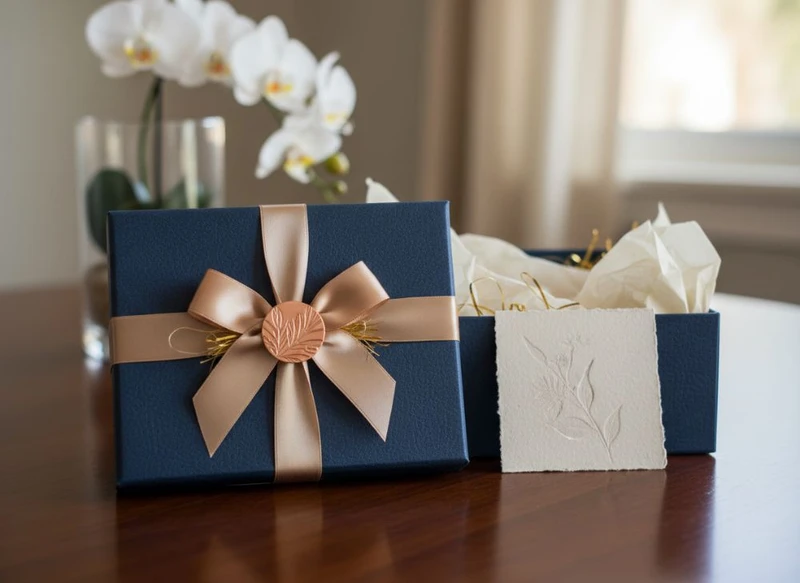
Luxury e-commerce packaging should make a customer feel that the product was chosen, packed and presented with care before they even use it. The most effective approach combines a sturdy gift box, restrained branding, a tactile interior and secure product protection—without adding decorative elements that complicate opening, transport or recycling.
For South African online retailers, luxury presentation is not simply about using more expensive materials. It is about choosing a coherent packaging system that suits the product, protects its condition in transit and creates a memorable unboxing moment. This guide to luxury e-commerce: elevating the customer experience with gift packaging explains which details add genuine value and which decisions need careful specification.
Creating an Expensive Feel with Affordable Materials
A premium look is created through finish, fit and consistency rather than material cost alone. A well-made folding carton or rigid paper box with clean edges, a well-proportioned logo and an organised interior can feel more considered than an over-decorated package.
Start by defining the role of the box. Is it a postal-ready gift box, an inner presentation box placed inside a protective shipper, or packaging that will be displayed at retail as well as sold online? The answer affects board strength, closure style, surface finish and the amount of internal protection required.
Cost-conscious materials and techniques that can still support a luxury impression include:
- Uncoated textured paper: Gives a natural, refined tactile feel and works particularly well for wellness, artisanal food, jewellery and stationery brands.
- Matt-laminated paperboard: Offers a smooth, understated surface that can suit cosmetics, fashion accessories and corporate gifts.
- Spot UV detail: Adds contrast by making selected artwork glossy against a matt background. Use it selectively; too much can look busy.
- Foil stamping: Works best for a small logo, border or emblem. It should support the brand hierarchy rather than dominate the box.
- Embossing or debossing: Creates interest without relying on bright colour or excessive printing.
- Single-colour printing: A carefully selected brand colour on quality stock may feel more intentional than a complex design with many competing elements.
The inside of the box matters as much as the exterior. An unprinted outer surface paired with a branded interior message, coloured tissue paper or a subtle insert can create a pleasing reveal while keeping the exterior practical for storage and handling.
Design principles that protect the premium effect
Luxury packaging depends on precision. Confirm the dieline, product dimensions and tolerances before approving production. A box that is too loose can make a high-value product look insignificant; one that is too tight can be frustrating to open or may damage the product during packing.
Keep visual choices disciplined:
- Choose one main brand colour and one or two supporting tones.
- Limit special finishes to the elements customers should notice first.
- Leave enough clear space around the logo and key information.
- Match the colour, texture and print style across the box, insert, tissue and card.
- Make opening intuitive. Customers should not have to tear apart a gift box to access the item.
When comparing custom printed boxes, ask for material and finish samples where possible. Screen artwork carefully, particularly fine lines, small reverse text, metallic details and dark solid colours, as these can reproduce differently across substrates and finishes.
Using a Magnetic Closure Paper Box
Magnetic closure paper boxes can provide a gift-like opening experience. They are commonly specified for products where the box is intended to be kept, such as beauty sets, accessories, premium apparel, corporate gifting and selected electronics.
The appeal is practical as well as visual: the lid closes neatly, the box can be opened repeatedly and the closure creates a deliberate pause in the unboxing sequence. However, a magnetic box is not automatically the right choice for every e-commerce order.
| Consideration | Magnetic closure box | Standard folding carton or lid-and-base box |
|---|---|---|
| Opening experience | Structured, reusable and presentation-led | Can be simple, elegant and efficient |
| Storage before packing | Often requires more space, depending on construction | Usually more space-efficient when supplied flat |
| Best suited to | Giftable or higher-perceived-value products | High-volume orders, lighter goods or straightforward packs |
| Protection needs | Usually still requires an outer shipping carton | Also needs protection based on product fragility |
| Material recovery considerations | May require separation of components where facilities accept them | Often simpler where the pack is all paper-based |
Specify whether the box must arrive flat or pre-assembled, as this influences storage and packing workflow. Also check that the closure is strong enough for normal handling but does not make the product difficult to access. The magnetic flap is a presentation feature, not a substitute for transit protection.
For online orders, place the presentation box inside a suitably sized outer shipper with appropriate void fill or cushioning. A beautiful gift box that arrives scuffed, crushed or loose inside the delivery carton does not deliver the intended customer experience.
When to choose a different closure
Consider a ribbon pull, tuck flap, sleeve, lift-off lid or drawer-style box when:
- the product is relatively lightweight;
- compact storage is a priority;
- the pack is used once rather than retained;
- the product needs faster packing at fulfilment;
- a visible magnet would conflict with your recycling or materials objectives; or
- the budget is better spent on a tailored insert and improved outer protection.
The best gift packaging design is one that matches the product’s value, the intended recipient experience and the realities of packing and delivery.
Gift Packaging Inserts: The Felt or Satin Liner
An insert prevents movement, frames the product and makes the first reveal feel intentional. Felt and satin liners are often associated with luxury presentation because they add softness and contrast against paperboard.
A felt liner can create a warm, substantial look. It suits items that benefit from a soft resting surface, such as jewellery, glassware, premium accessories or small gift sets. Satin provides a smoother, more formal finish and can work well where the brand uses elegant, celebratory or beauty-focused visual cues.
Neither option is universally appropriate. Both must be specified for product compatibility and operational practicality.
Before selecting a fabric-style liner, check:
- Colour transfer: Dark or strongly dyed materials may not suit pale, porous or delicate products.
- Surface sensitivity: Glossy, polished or coated items may mark or show lint.
- Product weight: A soft liner alone does not hold a heavier item firmly in place.
- Shape retention: The insert should maintain the intended presentation after packing and transport.
- Assembly time: Complicated multi-part inserts can slow packing and introduce inconsistencies.
- Material separation: If recovery or recycling is a brand objective, consider how different components can be separated after use.
For heavier or fragile goods, a structural insert is usually needed beneath the decorative liner. Options include folded paperboard platforms, moulded pulp, corrugated partitions or engineered paper inserts. These can hold the item securely, while the felt or satin provides the visible finishing layer.
Choosing the right insert depth
The product should sit at a level that is easy to remove but not exposed above the rim of the box. Include clearance for tissue, an information card and any protective wrap. If the pack includes several components, create clearly defined compartments so that items do not knock together.
Avoid using deep cavities merely to make a product appear larger or more dramatic. Excess empty space can lead to movement, higher material use and a less convincing premium experience.
Branded Ribbon and Bow Integration
A branded ribbon can turn a box into a ready-to-give present. It is especially useful for seasonal gifting, limited-edition sets, premium product launches and corporate orders. Yet ribbon should be integrated into the box design rather than added as an afterthought.
There are three common approaches:
- Pre-tied bow: Offers a polished look but can take longer to assemble and may be flattened in transport.
- Threaded ribbon closure: Passes through slots or wraps around the box, creating a more interactive opening experience.
- Separate ribbon band: Gives customers the option to tie the bow themselves and can simplify packing.
Choose ribbon width in proportion to the box. A narrow ribbon can disappear on a large rigid box, while an oversized bow can obstruct a small logo or make the package awkward to place inside a shipping carton.
Printed ribbon should be tested visually against the box colour. Fine logos and small lettering may be difficult to read on textured ribbon, especially where the print area is narrow. A repeated emblem, monogram or short brand name is often more effective than a detailed message.
A ribbon can be reused by the recipient, but it can also introduce extra material and packing steps. If ease of opening, material simplicity or high-volume fulfilment is more important, consider a printed paper belly band instead.
Custom Tissue Paper and Wax Seals
Custom tissue paper creates a soft first layer over the product and is one of the most versatile details in luxury e-commerce packaging. It can conceal the contents, reinforce brand recognition and reduce surface friction between products and the outer box.
Use tissue paper that is appropriate for the product. Delicate fabrics, coated surfaces, fragrances, food-contact applications and printed items may have specific compatibility requirements. Confirm suitability with the relevant suppliers before production rather than assuming one tissue grade works for every category.
A simple repeat pattern, understated logo or single-colour motif usually produces a better result than dense artwork. The tissue should complement the product, not compete with it.
Wax seals can add ceremony to a wrapped presentation, invitation-style card or product story insert. They are best used sparingly because they may crack, detach or create pressure points during shipping. A real wax seal may not be practical for packages that are tightly packed, exposed to heat or handled frequently. A seal-effect sticker can offer a similar visual cue with simpler application.
A practical layering sequence
For many gift boxes, the following order works well:
- Place the product in its fitted insert.
- Add any necessary protective wrap that will not damage the product surface.
- Lay a thank-you card or care card where it is immediately visible.
- Fold branded tissue around the contents without packing it too tightly.
- Close the box and add an outer ribbon or band only if it suits the fulfilment process.
- Place the gift box into an outer transit carton with suitable protective material.
The goal is a calm, deliberate reveal. Too many layers, stickers and messages can make the unboxing feel like a barrier rather than a gift.
The Role of the Thank You Sticker or Card
A thank-you element provides a direct human touch and gives the customer useful information at the point of unboxing. A card is generally more versatile than a sticker because it can include a short message, product care guidance, usage instructions, return information where relevant or a prompt to share feedback.
Keep the message brief and useful. For example, a premium skincare pack may include care guidance; an apparel brand may include fabric information; and a corporate gift may include a personal note field. Avoid claiming sustainability, product safety or performance benefits unless those claims can be substantiated for the specific product and market.
Thank-you stickers work well for sealing tissue, closing an envelope or marking a gift message. Use a sticker adhesive suitable for the chosen surface. An adhesive that is too aggressive can tear tissue or leave residue, while one that is too weak can lift during handling.
Explore custom stickers and labels when the seal, presentation label or branded detail needs to match the wider packaging system. Confirm the label stock, adhesive, finish, application surface and expected storage conditions before finalising the design.
Card details worth considering
A useful card may include:
- a concise thank-you message;
- the brand name and contact method;
- a gift note area, where applicable;
- concise care or handling guidance;
- a QR code only where it leads to genuinely useful content;
- a request for feedback that does not pressure the customer.
Make sure the card is easy to remove and read. It should not be buried beneath the product or become the only element preventing the box from closing properly.
Securing High-Value Items in Gift Boxes
Premium packaging must protect as well as impress. A luxury item that shifts, scratches or breaks in transit undermines every visual detail of the unboxing experience.
Start by identifying the product’s actual risks: impact, vibration, crushing, moisture exposure, sharp edges, abrasion, leaking components or theft concerns. Then select the inner insert and outer shipper accordingly. Do not assume a rigid box alone is sufficient protection.
For high-value items, consider these controls:
- Fitted inserts: Hold the product in a consistent position and reduce movement.
- Protective sleeves or wraps: Separate surfaces that may scratch or rub.
- Partitions: Keep multi-item sets from colliding.
- Tamper-evident features: Can indicate whether a pack has been opened, but must be selected to suit the box surface and customer opening experience.
- Discrete outer packaging: Avoid making the contents unnecessarily obvious during transit.
- Appropriately sized shipping cartons: Reduce empty space and help prevent the presentation box from moving around.
Where product safety or category-specific requirements apply, verify the relevant South African requirements and product-specific labelling obligations with qualified advisers. Packaging design should leave enough room for mandatory information where it is required; do not rely on a decorative gift box to carry information it cannot accommodate clearly.
Test the complete packing system
Assess the fully packed order, not only the gift box on its own. Review whether the box stays closed, whether the insert holds the product in place and whether the outer carton protects corners and surfaces during normal handling.
Common mistakes include:
- using a decorative insert with no structural support;
- selecting a box before final product dimensions are confirmed;
- overlooking the thickness of tissue, cards or protective sleeves;
- allowing glass, metal or multiple products to touch;
- adding a bow that catches on the outer carton or becomes crushed; and
- using a premium inner box as the only shipping container.
A short internal packing guide with photographs or diagrams can help fulfilment teams repeat the intended presentation consistently.
Post-Purchase Follow-Up and Packaging Feedback
Packaging decisions improve when feedback is collected after customers have received and opened the order. The purpose is not simply to ask whether the box looked attractive. It is to understand whether the packaging protected the product, felt appropriate to the purchase and was straightforward to open and dispose of.
Ask focused questions such as:
- Did the order arrive with the product and gift box in good condition?
- Was the item secure inside the box?
- Which packaging detail stood out most?
- Was anything difficult to open, remove or understand?
- Would the customer keep, reuse or recycle parts of the packaging?
- Did the packaging feel aligned with the product and brand?
Review feedback alongside customer-service queries, return reasons and damage reports where available. Look for patterns rather than reacting to a single comment. If customers appreciate the box but report damaged corners, the issue may be outer-carton protection rather than the gift box itself. If cards are repeatedly missed, their position in the unboxing sequence may need to change.
When revising packaging, adjust one or two variables at a time where possible. Changing box dimensions, insert material, tissue, seal and shipping carton simultaneously makes it difficult to identify what improved or worsened the result.
Choosing a Luxury Gift Packaging Specification
Before requesting quotes or approving artwork, prepare a clear packaging brief. Include:
- product dimensions, weight and fragility;
- the number of items and components per order;
- whether the box is for direct shipping, presentation inside a shipper or both;
- target unboxing sequence;
- required print colours, finishes and branding elements;
- insert, tissue, card and closure preferences;
- packing process and storage constraints;
- product-specific labelling or compliance checks to be verified;
- expected order volumes and any seasonal variations.
This information helps a packaging supplier recommend a solution based on practical use, not appearance alone. XGolden Print develops custom packaging and printing solutions, with experience across custom boxes, gift packaging and printed brand components. For a more useful specification discussion, begin with the product, protection needs and desired customer journey—not only a reference image.
A considered luxury e-commerce pack should feel special, open easily and arrive in a condition that reflects well on the brand. Review your current box, insert and transit protection as one system, then refine the elements that add clear value for your customer.
