
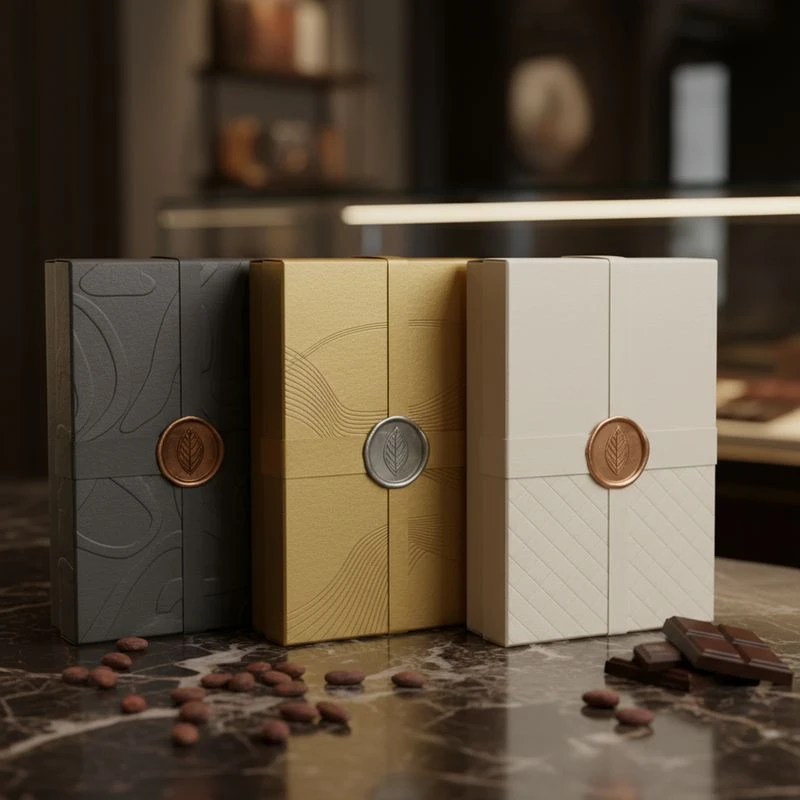
Discover how custom luxury packaging transforms premium chocolate, captivating the discerning South African market and building an unforgettable brand experience.
Chocolate Packaging
For premium chocolate brands operating within the dynamic and increasingly sophisticated South African market, packaging transcends its basic function of mere containment. It is, in essence, the silent salesperson and the brand’s first, often most critical, point of contact with a consumer. The right luxury custom packaging for premium chocolate brands for South Africa market is not just about aesthetics; it’s an intricate balance of protection, preservation, and presentation. Imagine a meticulously crafted truffle or a gourmet chocolate bar – its delicate texture, exquisite flavour, and artisanal quality demand an exterior that mirrors this internal excellence. Generic, off-the-shelf packaging simply fails to convey the narrative of quality and exclusivity that premium chocolate embodies, leading to a diminished perceived value even before the product is tasted. This is particularly true in South Africa, where consumers are increasingly educated and discerning, seeking experiences rather than just products.
One of the primary considerations for chocolate packaging in South Africa is the unique climatic conditions, which can range from humid coastal regions to dry inland areas. Effective packaging must provide a robust barrier against moisture, heat, and light, all of which are notorious enemies of chocolate, causing bloom, melting, or flavour degradation. This means selecting materials that offer superior protective qualities while maintaining an air of luxury. Beyond protection, the structural integrity of the packaging is paramount. A box that feels flimsy or collapses easily sends a clear message of inferiority, directly contradicting the premium positioning of the chocolate it contains. Brands must consider how the chocolate will be transported, stored on shelves, and ultimately handled by the consumer, ensuring that it arrives in perfect condition, reflecting the high standards of the brand. The unboxing experience, often overlooked, is also a critical component. It should be a moment of anticipation and delight, not frustration.
To achieve this, brands should explore various material options, from rigid board to specialty papers, ensuring each choice contributes to both protection and luxury appeal. For instance, a bespoke internal cavity or a custom-fit insert crafted from food-safe materials can provide optimal protection for individual chocolates, preventing movement and damage, while also enhancing the visual presentation upon opening. It’s about engineering the packaging to withstand the journey from manufacturer to consumer, maintaining the pristine quality of the chocolate within. Neglecting these practical aspects in favour of pure aesthetics is a common pitfall that can lead to product damage, customer dissatisfaction, and ultimately, a tarnished brand reputation. Therefore, an integrated approach that prioritises both the functional and aesthetic aspects of luxury custom packaging for premium chocolate brands for South Africa market is essential for long-term success in this competitive market segment. Careful material selection, innovative structural design, and rigorous testing are non-negotiable steps in creating packaging that truly performs.
| Material Type | Key Benefits for Luxury Custom Packaging for Premium Chocolate Brands for South Africa market | Best For | Considerations in SA Climate |
|---|---|---|---|
| Rigid Board (e.g., Greyboard wrapped with art paper) | Exceptional structural integrity, premium feel, ideal for complex designs and embellishments, high perceived value. | Gift boxes, multi-pack assortments, high-end bars. | Provides good insulation against minor temperature fluctuations; can be laminated for moisture resistance. |
| Folding Carton (e.g., high-quality paperboard) | Versatile, cost-effective for larger volumes, allows for intricate printing and finishes, good stackability. | Chocolate bars, smaller gift packs, seasonal editions. | Requires lamination or barrier coatings for humidity protection; ensure inks are UV resistant. |
| Specialty Papers (e.g., textured, metallic, recycled) | Unique tactile and visual appeal, conveys artisan quality, supports brand storytelling through material choice. | Artisanal bars, limited editions, inner wraps. | May need additional barrier layers for protection; test for colour fastness in varied conditions. |
| Plastic Inserts/Trays (e.g., PET, RPET) | Precise product protection, ideal for delicate chocolates, clear visibility, can be food-safe certified. | Truffle assortments, pralines, individually wrapped items within a larger box. | Ensure heat resistance if exposed to direct sunlight; consider recycled content for sustainability. |
This table highlights key material types essential for crafting effective luxury custom packaging for premium chocolate brands for the South Africa market. Each material offers distinct advantages in terms of protection, aesthetic appeal, and suitability for various chocolate products, but brands must also carefully consider their performance under South Africa’s diverse climatic conditions. By strategically combining these materials, chocolate brands can create packaging that is both visually stunning and highly functional, ensuring product integrity while conveying a sense of exclusivity.
Luxury Design
In the realm of premium chocolate, where taste and quality are paramount, luxury design serves as the crucial visual ambassador, communicating the brand’s essence long before the first bite. For luxury custom packaging for premium chocolate brands for South Africa market, design isn’t merely about making a package look “nice”; it’s about crafting an experience, evoking emotion, and signaling exclusivity and superior craftsmanship. The discerning South African consumer, increasingly exposed to global luxury trends, expects sophistication and attention to detail in every aspect of a premium product. This means that every design element, from the choice of colour palette to the tactile finish, must be meticulously considered to resonate with the target demographic and uphold the brand’s luxurious positioning. A well-executed design differentiates a brand from the sea of mass-market offerings, justifying its premium price point and fostering a deeper connection with the consumer.
The visual impact of luxury design begins with its ability to tell a story without words. Consider the use of rich, deep colour palettes that evoke indulgence and elegance, or minimalist designs that speak to understated sophistication. Beyond colour, tactile finishes play an enormous role in conveying luxury. Techniques such as soft-touch coatings, matte laminations, or embossed patterns create a sensory experience even before the package is opened. Imagine running your fingers over a velvet-like surface or feeling the raised texture of a brand’s logo – these subtle details elevate the perceived value and create a memorable interaction. Foil stamping, with its metallic sheen, adds a touch of opulence, while debossing can create an elegant, recessed design element. Typography, too, is a powerful design tool; a carefully selected font can communicate tradition, modernity, or artisan craft. Furthermore, unique opening mechanisms, such as magnetic closures or intricate sliding drawers, transform the act of opening the chocolate into a ritual, enhancing the overall anticipation and delight associated with a luxury product.
When approaching luxury custom packaging for premium chocolate brands for South Africa market, designers should also be mindful of potential pitfalls. Over-designing, for instance, can lead to a cluttered and confusing aesthetic that detracts from the product’s premium feel. Similarly, using cheap-looking embellishments or inconsistent design elements across a product range can dilute the brand’s luxury image. The key is to achieve a balance between richness and restraint, ensuring that every design choice serves a purpose and contributes to a cohesive, sophisticated narrative. Practical examples might include incorporating subtle South African-inspired motifs, if culturally appropriate and aligned with the brand’s identity, ensuring they enhance rather than overshadow the chocolate’s inherent luxury. Actionable steps for brands include investing in experienced graphic and structural designers who understand the nuances of luxury packaging, conducting market research to gauge aesthetic preferences within the target demographic, and ensuring a strong, consistent brand identity is translated flawlessly onto the packaging. Ultimately, the goal is to create a design that not only captures attention on the shelf but also leaves a lasting impression, reinforcing the premium experience of the chocolate within.
B2B Manufacturing
Selecting the right B2B manufacturing partner is an absolutely critical decision for premium chocolate brands looking to produce luxury custom packaging for premium chocolate brands for South Africa market. The intricacies involved in creating high-quality, bespoke packaging demand a manufacturer who not only understands the specific technical requirements but also aligns with the brand’s commitment to excellence and consistency. In the competitive South African market, where brand reputation is paramount, any compromise in packaging quality can have detrimental effects. Brands need a partner capable of translating sophisticated design concepts into tangible products, ensuring that every detail, from the precision of a die-cut to the vibrancy of a printed colour, meets stringent luxury standards. This partnership extends beyond mere production; it encompasses expertise in material sourcing, printing techniques, finishing processes, and stringent quality control protocols.
When vetting potential manufacturing partners, there are several key criteria that premium chocolate brands in South Africa should meticulously evaluate. Firstly, a manufacturer’s portfolio should clearly demonstrate their experience with luxury packaging, showcasing complex structures, high-end finishes, and a track record of working with demanding clients. Certifications, particularly those related to food safety (e.g., ISO 22000, BRCGS for Packaging Materials) and environmental sustainability, are non-negotiable, providing assurance of responsible and ethical production practices. Understanding minimum order quantities (MOQs) and lead times is also crucial, as these can significantly impact inventory management and market responsiveness, especially for seasonal or limited-edition product launches. Furthermore, detailed discussions about material sourcing – ensuring the use of premium, food-safe, and potentially sustainably sourced materials – are essential. The manufacturer should be transparent about their printing capabilities (e.g., offset, digital, flexography), special finishing techniques (e.g., foil stamping, embossing, debossing, spot UV), and their in-house quality assurance processes, including multiple inspection points throughout the production cycle.
Navigating the B2B manufacturing landscape for luxury custom packaging for premium chocolate brands for South Africa market can present several potential pitfalls. Inconsistent quality is a primary concern; a batch of packaging that falls short of expectations can damage product perception and lead to costly re-runs. Missed deadlines can disrupt supply chains and impact product launches, while high MOQs can be prohibitive for smaller, emerging luxury brands. Communication breakdowns, particularly with international partners, can also lead to errors and inefficiencies. To mitigate these risks, brands should implement several actionable steps: establish clear, legally binding contracts outlining specifications, timelines, and quality benchmarks; maintain regular and transparent communication with the manufacturer; and consider conducting on-site factory audits or requesting pre-production samples and pilot runs to verify quality before full-scale production. Engaging with a local South African manufacturer or one with a strong local presence can sometimes simplify logistics and communication, offering faster response times and a better understanding of local market nuances. Ultimately, a successful manufacturing partnership is built on trust, transparency, and a shared commitment to delivering uncompromising quality in every piece of luxury packaging.
| Criterion | Importance for Luxury Custom Packaging for Premium Chocolate Brands for South Africa market | Actionable Steps for Brands |
|---|---|---|
| Expertise in Luxury Finishes | Ensures high-end aesthetic (foil, emboss, spot UV) and tactile qualities critical for premium perception. | Review portfolio, request samples of complex finishes, discuss capabilities during initial consultations. |
| Quality Control & Certifications | Guarantees product integrity, food safety (e.g., BRCGS, ISO 22000), and consistent premium output. | Request valid certifications, understand QC protocols, consider factory audits or third-party inspections. |
| Material Sourcing & Sustainability | Assures premium, food-safe, and ethically sourced materials, vital for brand values and consumer trust. | Inquire about material suppliers, sustainability policies, and options for recycled/FSC-certified materials. |
| Lead Times & Flexibility (MOQs) | Impacts inventory management, market responsiveness, and feasibility for small to large brands. | Clearly define project timelines, discuss MOQs early, explore tiered pricing for different order volumes. |
| Communication & Project Management | Essential for smooth production, timely updates, and resolving issues efficiently. | Assess responsiveness, assign a dedicated project manager, establish clear communication channels. |
This table outlines the essential criteria that premium chocolate brands should consider when choosing a manufacturing partner for their luxury custom packaging in South Africa. Each criterion plays a vital role in ensuring that the final packaging product meets the high standards expected in the luxury market, from aesthetic appeal and functional protection to ethical production practices. Brands should use these points as a comprehensive checklist to vet potential partners, ensuring a robust and reliable supply chain for their exquisite chocolate offerings.
Gift Appeal
Luxury chocolate, particularly in the vibrant South African market, is frequently purchased not just for personal indulgence but, crucially, as a thoughtful and cherished gift. This inherent gifting culture elevates the role of luxury custom packaging for premium chocolate brands for South Africa market from a mere container to an integral part of the gift-giving experience itself. The packaging becomes an extension of the giver’s sentiment and the recipient’s anticipation, making the unwrapping process as much a part of the delight as the chocolate within. A truly exceptional gift package communicates care, consideration, and a celebration of the moment, significantly enhancing the perceived value of the chocolate it holds. Brands that understand this dynamic can leverage their packaging design to tap into the emotional resonance of gifting, driving sales and fostering brand loyalty.
To maximize gift appeal, packaging design must focus on creating an immediate “wow” factor upon presentation. This often begins with thoughtful embellishments such as elegant satin ribbons, custom wax seals, or integrated gift tags that allow for personalisation. The structural design of the package is equally important; a sturdy, well-constructed box that feels substantial in hand instantly conveys quality and importance. Consider packaging that resembles a treasure chest, with a delightful reveal upon opening, or a multi-layered design that prolongs the discovery process. Custom-fit inserts, often crafted from luxurious materials like velvet, silk, or high-density foam, can cradle each piece of chocolate beautifully, not only protecting delicate items like truffles but also elevating their presentation to an art form. Brands should also explore options for multi-pack assortments that are designed specifically for gifting, offering a curated selection that presents a complete luxury experience. Reusability of the packaging, or at least a design that encourages retention, also adds value, as consumers appreciate packaging that can find a second life, perhaps as a keepsake box.
Potential pitfalls in designing for gift appeal include creating flimsy packaging that cheapens the gift experience, or designs that are difficult to open, leading to frustration rather than delight. A lack of space for personalisation, such as an area for a handwritten note, can also detract from the gifting potential. Furthermore, packaging that is overly complex without clear instructions can diminish the luxury experience. To address these challenges, brands should focus on intuitive design and robust construction. Actionable steps include conducting consumer testing to gauge the emotional impact and usability of gift packaging, integrating thoughtful details like magnetic closures or pull tabs for effortless opening, and ensuring that the packaging can accommodate a gift message or branded card. Practical examples might involve a collection of uniquely shaped chocolates, each nestled in its own compartment, accompanied by a small brochure detailing the flavour profiles and origin stories, all presented within a box that features a beautiful, handcrafted illustration that resonates with South African culture. By meticulously crafting packaging that celebrates the act of giving and receiving, premium chocolate brands can capture the hearts of gift-givers and recipients alike, transforming their product into a truly unforgettable present.
Brand Identity
In the fiercely competitive landscape of the South African premium food market, packaging for premium chocolate brands is far more than just a wrapper; it is an undeniable extension of a brand’s identity, its silent storyteller, and its most visible ambassador. A strong brand identity, consistently articulated through luxury custom packaging for premium chocolate brands for South Africa market, is absolutely paramount for distinguishing a product, building recognition, and fostering deep-seated consumer loyalty. Before a single piece of chocolate is tasted, the packaging communicates the brand’s values, its unique narrative, its level of exclusivity, and its commitment to quality. It sets expectations and invites consumers into the brand’s world, shaping their perception and influencing their purchasing decisions. Generic, uninspired packaging simply fails to convey the depth and unique selling proposition of a premium chocolate brand, making it difficult to stand out on crowded shelves and establish a memorable presence.
To effectively leverage packaging as a cornerstone of brand identity, every design element must be meticulously aligned with the brand’s core essence. This means ensuring absolute consistency in brand colours, logo placement and size, typography, and overall visual language across all product lines. If a brand champions minimalism and sophistication, its packaging should reflect clean lines, muted tones, and subtle embellishments. Conversely, a brand that celebrates vibrant, artisanal craftsmanship might opt for rich textures, bold patterns, and illustrative elements. The packaging should also tell the brand’s unique story. This could involve incorporating elements that hint at the chocolate’s origin, the artisanal process, or the brand’s heritage. For example, a South African brand sourcing cocoa from specific regions might feature subtle geographical references or indigenous patterns that resonate with local consumers, reinforcing authenticity and local pride. The unboxing experience itself should be designed to reinforce the brand’s narrative – whether it’s a moment of elegant revelation or playful discovery, it must feel intrinsically “on brand.”
Potential pitfalls in using packaging to convey brand identity include inconsistent branding across different products or marketing materials, which can dilute brand recognition and confuse consumers. Another common mistake is opting for generic designs that fail to stand out, making the brand indistinguishable from competitors. Neglecting to weave the brand’s unique story into the packaging is a missed opportunity to connect with consumers on a deeper, emotional level. To overcome these challenges, brands must develop a comprehensive brand style guide that meticulously dictates how every aspect of their identity is to be translated onto packaging. Actionable steps include collaborating closely with designers and manufacturers to ensure that brand fidelity is maintained throughout the production process, from colour matching to the precision of embossed logos. Practical examples include a brand using a specific, recognisable motif that is subtly integrated into the packaging texture, or a brand that uses recycled materials to reflect its commitment to sustainability, communicating this ethos clearly on the package. By consciously designing luxury custom packaging for premium chocolate brands for South Africa market that embodies and articulates its identity, a brand can build a powerful, memorable presence that resonates deeply with its target audience, fostering trust, loyalty, and a lasting impression.
