
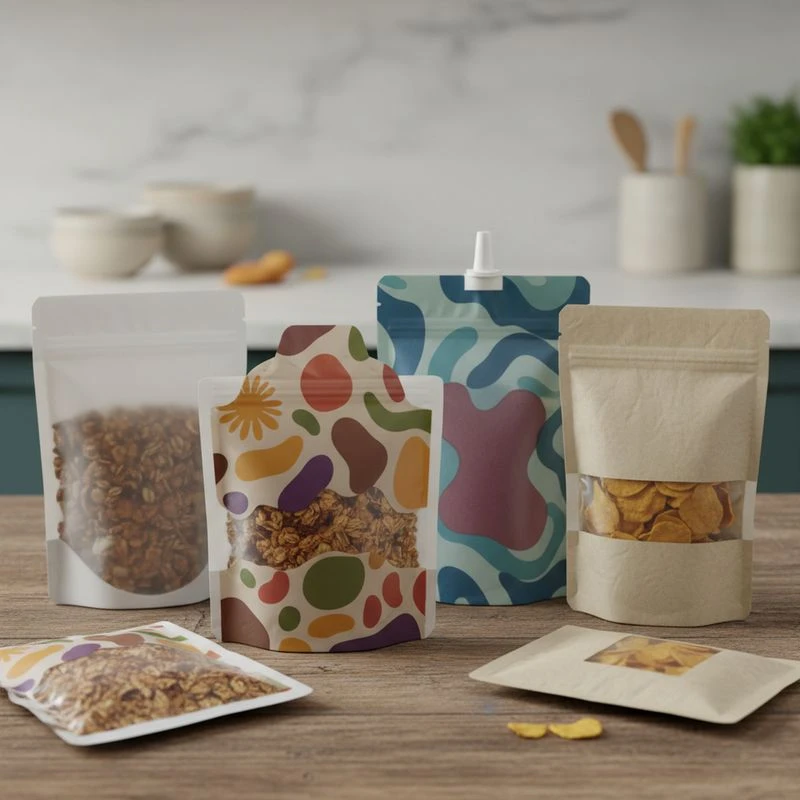
Flexible Packaging
The South African snack and beverage industry stands at a pivotal juncture, experiencing rapid growth alongside intensifying competition. In this vibrant landscape, the choice of packaging is no longer a mere afterthought; it is a strategic imperative that can define a brand’s market penetration, consumer perception, and bottom line. The takeaway for businesses operating in this dynamic sector is clear: embracing flexible custom packaging is not just an option, but a powerful differentiator. Its inherent versatility, cost-effectiveness, and sustainability benefits position it as an unparalleled solution for brands aiming to captivate the diverse South African consumer base. This shift is driven by the intrinsic properties of flexible materials, which allow for lighter weights, reduced material usage, and often, enhanced shelf life compared to rigid alternatives.
The reasoning behind its growing dominance lies in its multifaceted advantages. For instance, flexible packaging significantly reduces transportation costs due to its lighter weight and compact nature, a crucial factor in a country with extensive distribution networks. Furthermore, the ability to create bespoke shapes and sizes offers brands an unprecedented canvas for creative expression, ensuring products stand out on crowded retail shelves. Beyond aesthetics, flexible packaging excels in product protection, offering superior barrier properties against moisture, oxygen, and UV light, which are vital for maintaining the freshness and integrity of snacks and beverages, especially given South Africa’s varied climatic conditions. From high-humidity coastal regions to arid inland areas, robust protection is non-negotiable. Moreover, the increasing consumer demand for sustainable options is met by flexible packaging’s potential for recyclability and reduced carbon footprint, aligning brands with eco-conscious values.
To leverage these advantages, businesses should adopt a structured approach. Firstly, conduct a thorough analysis of your product’s specific protection needs (e.g., oxygen sensitivity for coffee, moisture barrier for biscuits). Secondly, engage with experienced flexible custom packaging manufacturers who can guide material selection, ensuring optimal performance and cost-efficiency. Thirdly, invest in compelling graphic design that resonates with the target demographic, using the full potential of flexible packaging’s print capabilities to tell your brand story. Potential pitfalls include selecting inappropriate materials that compromise product integrity or over-designing packaging without considering production feasibility. Solutions involve rigorous testing of prototypes under real-world conditions and maintaining open communication with your packaging partner throughout the design and manufacturing process. By proactively embracing flexible custom packaging, South African snack and beverage brands can secure a competitive edge, ensuring their products not only reach consumers in perfect condition but also leave a lasting positive impression.
Understanding the common materials used in flexible custom packaging is crucial for informed decision-making. Each material offers a distinct set of properties, making it suitable for specific product requirements and environmental conditions prevalent in South Africa. The table below outlines some of the most frequently utilised materials and their key characteristics.
| Material Type | Key Properties for Flexible Custom Packaging | Typical Applications in SA (Snack & Beverage) | Benefits for SA Market |
|---|---|---|---|
| PET (Polyethylene Terephthalate) | Excellent clarity, strong barrier against oxygen/moisture, good printability, high stiffness. | Crisps, dried fruit, confectionery, cold beverages (shrink sleeves), ready-to-drink pouches. | Enhanced shelf appeal, extended shelf life for perishable items, robust for transport. |
| BOPP (Biaxially Oriented Polypropylene) | High clarity, good moisture barrier, cost-effective, excellent for printing. | Snack bags (chips, biltong), biscuits, cereal bars, flow wrap for individual items. | Economic solution, vibrant branding, suitable for high-speed packing lines. |
| PE (Polyethylene) | Good sealability, flexible, moisture barrier (LDPE), strength (HDPE), often used as sealant layer. | Frozen goods, liquid pouches (milk, juice), bulk snacks, bread bags. | Versatile for various product types, strong seals for leakage prevention, cost-effective. |
| Aluminium Foil | Superior barrier to oxygen, moisture, light, and aroma; excellent for extending shelf life. | Coffee, dried soups, energy bars, premium snacks, retort pouches for ready meals. | Maximum product protection, preserves freshness and flavour in harsh conditions. |
This table illustrates the diverse capabilities of various flexible packaging materials, each playing a vital role in protecting and presenting snack and beverage products effectively. Choosing the right combination of these materials is a meticulous process, often involving multi-layer laminates to achieve the perfect balance of barrier properties, printability, and cost-efficiency tailored to the unique demands of the South African supply chain and consumer expectations. Expert consultation with packaging manufacturers is essential to navigate these choices successfully.
Snacks
The South African snack market is a vibrant tapestry of traditional favourites and emerging health-conscious options, all vying for consumer attention. In this dynamic segment, flexible custom packaging is paramount for delivering on core consumer expectations: freshness, convenience, and visual appeal. The central takeaway for snack brands is that strategic packaging can significantly extend product shelf life, prevent spoilage in South Africa’s diverse climates, and create an irresistible shelf presence that drives impulse purchases. From biltong and dried fruit to crisps and traditional treats like “vetkoek” mixes, the right packaging acts as a silent salesperson, communicating quality and freshness long before a purchase is made.
The reasoning behind this strategic importance is multifaceted. Firstly, snacks are often consumed on the go, necessitating packaging that is robust, resealable, and easy to open – qualities inherently supported by flexible designs such as stand-up pouches with zippers or convenient tear notches. Secondly, maintaining product integrity is critical. A bag of crisps that goes stale quickly or a chocolate bar that melts in transit due to inadequate packaging will lead to consumer dissatisfaction and brand erosion. Flexible packaging, with its customisable barrier properties (e.g., metallized films, EVOH layers), offers superior protection against oxygen, moisture, and light, ensuring that snacks retain their crunch, flavour, and nutritional value from factory to mouth. For culturally significant snacks like biltong, preventing moisture loss while allowing the product to “breathe” slightly, or maintaining an optimal atmosphere, requires sophisticated, tailor-made flexible solutions. Furthermore, the visual impact cannot be overstated. Flexible packaging provides a large, uninterrupted canvas for high-quality graphics, vibrant colours, and engaging storytelling, allowing brands to forge an immediate connection with consumers in a crowded retail environment. This is particularly effective for targeting specific demographics, such as children with playful designs or health-conscious adults with minimalist, natural aesthetics.
To effectively harness flexible custom packaging for snacks, brands should consider several actionable steps. Begin by understanding the specific environmental challenges your snack faces throughout its lifecycle, from manufacturing to consumer consumption. Is it heat-sensitive, prone to oxidation, or requires protection from physical damage during transportation? This dictates material selection. Next, collaborate closely with a packaging designer to ensure the aesthetics not only catch the eye but also align with your brand’s core values and product attributes. For instance, a premium snack might benefit from a matte finish or a tactile texture to convey sophistication, while an everyday item might prioritize bold colours and clear branding. Implement functionality that enhances the consumer experience, such as easy-open features, resealable closures for multi-serve packs, or single-serve options for portion control and hygiene. A common pitfall is underestimating the importance of packaging integrity, leading to product recall or damaged goods; a solution involves rigorous testing of seal strength, drop tests, and shelf-life simulation. Another pitfall is designing packaging that is attractive but expensive or difficult to produce; balancing aesthetics with manufacturing efficiency and cost-effectiveness is key. By focusing on protection, convenience, and compelling design, South African snack brands can ensure their products not only taste great but also look great and perform flawlessly, securing their place in shopping baskets nationwide.
Beverages
The South African beverage market is a dynamic arena, witnessing a surge in innovation from craft beers and exotic fruit juices to functional drinks and traditional African brews. For beverage brands operating within this bustling sector, the core takeaway is that flexible custom packaging offers a pathway to unparalleled innovation, cost efficiency, and enhanced consumer convenience. Moving beyond traditional rigid containers, flexible solutions enable brands to introduce unique product formats, extend shelf life without refrigeration for certain products, and tap into growing trends like on-the-go consumption, making them highly competitive in a market that constantly seeks novelty and practicality.
The reasoning behind this strategic shift is compelling. Flexible packaging, particularly in the form of pouches, bag-in-box systems, or shrink sleeves for existing bottles, dramatically reduces material weight and volume, translating into significant savings on transportation costs and a smaller carbon footprint – critical considerations for both environmental impact and economic viability in South Africa. For products like fruit purees, smoothies, or even ready-to-drink coffee, spouted pouches offer convenience, portion control, and reduced spillage, making them ideal for school lunchboxes or busy commuters. The advanced barrier properties inherent in multi-layer flexible films provide exceptional protection against light, oxygen, and moisture, crucial for preserving the flavour, nutritional content, and safety of sensitive beverages. This allows for ambient storage of many products that traditionally required refrigeration, expanding distribution reach and reducing energy costs for retailers. Furthermore, the expansive print area on flexible packaging provides an unparalleled canvas for vibrant, high-definition graphics and intricate branding, enabling beverage brands to tell their story effectively and differentiate themselves in a crowded marketplace, appealing to diverse consumer tastes from premium artisanal brands to value-driven everyday options. For example, brands targeting the health-conscious market can use sophisticated designs to highlight natural ingredients and health benefits, while those catering to children can employ playful, colourful graphics.
To effectively leverage flexible custom packaging in the South African beverage sector, brands should adopt a strategic approach. First, identify opportunities for product innovation that flexible formats enable – perhaps a new line of concentrated cordials in stand-up pouches, or single-serve wine portions. Next, prioritize functionality that directly benefits the consumer, such as easy-pour spouts, tamper-evident seals, or resealable caps for multi-serving beverages. Engage with flexible packaging manufacturers who possess specialised expertise in liquid applications, ensuring materials are rigorously tested for leakage, burst strength, and compatibility with the beverage’s chemistry. A common pitfall for beverage brands is underestimating the unique challenges of liquid packaging, such as ensuring seal integrity under pressure or during changes in altitude. The solution involves selecting robust, specialised films and undergoing extensive testing protocols specific to liquid fill applications. Another potential pitfall is neglecting the cold chain requirements for perishable beverages, which flexible packaging can mitigate through advanced barrier technology for extended shelf life, but careful consideration is still required for specific products. By strategically integrating flexible custom packaging, South African beverage brands can not only enhance product protection and convenience but also unlock new avenues for market growth and brand differentiation, ensuring their drinks are as appealing on the outside as they are refreshing on the inside.
B2B Manufacturing
For snack and beverage brands in South Africa, navigating the complexities of custom packaging requires a robust partnership with a reliable Business-to-Business (B2B) manufacturing provider. The key takeaway here is that selecting the right flexible custom packaging manufacturer is not merely a procurement decision; it’s a strategic alliance that directly impacts product quality, market responsiveness, and ultimately, brand success. A competent manufacturer acts as an extension of your R&D and marketing teams, bringing expertise in material science, design for manufacturing, and supply chain efficiency, which are invaluable in a competitive and rapidly evolving market.
The reasoning behind this deep partnership stems from the specialised nature of flexible custom packaging. It involves intricate processes ranging from precise material lamination to high-definition rotogravure or flexographic printing, and the subsequent conversion into various pouch or roll stock formats. An experienced manufacturer possesses the technical know-how to recommend the optimal film structures that provide required barrier properties against oxygen, moisture, and UV light, ensuring product freshness and extended shelf life – critical for products distributed across South Africa’s diverse geographical and climatic zones. They can guide brands through the complexities of regulatory compliance, food safety standards, and sustainable material choices. Furthermore, a skilled B2B partner can translate a brand’s creative vision into a manufacturable design, ensuring that aesthetic appeal does not compromise functional integrity or production efficiency. This includes advising on design elements like resealable zippers, tear notches, or unique pouch shapes that enhance consumer convenience while remaining cost-effective to produce. Their ability to manage inventory, provide timely delivery, and scale production to meet fluctuating market demand is also paramount, minimizing stockouts and optimising logistics for brands.
To establish a successful B2B manufacturing partnership for flexible custom packaging, follow these actionable steps. Firstly, clearly define your product’s specific needs, including shelf-life targets, desired consumer experience, and budget constraints. Secondly, thoroughly vet potential manufacturers, assessing their track record, certifications (e.g., ISO, FSSC 22000 for food safety), technological capabilities, and commitment to sustainability. Ask for case studies, samples, and client references relevant to the South African market. Thirdly, establish clear communication channels and agree on service level agreements (SLAs) that cover lead times, quality control protocols, and contingency plans. A common pitfall is choosing a manufacturer based solely on price, which can lead to compromises in quality, inconsistent supply, or hidden costs down the line. A solution is to prioritize value over cost, considering the total cost of ownership which includes factors like reduced waste, fewer rejections, and reliable supply. Another pitfall is inadequate testing of new packaging formats, potentially leading to product spoilage or failure in the market. Mitigate this by insisting on thorough testing and prototyping phases with your manufacturer, including trial runs on your filling lines. By fostering a collaborative and transparent relationship with a top-tier flexible custom packaging manufacturer, South African snack and beverage brands can confidently bring their innovative products to market, secure in the knowledge that their packaging meets the highest standards.
| Key Consideration | Why it Matters for Flexible Custom Packaging in SA | Manufacturer’s Role / Actionable Step |
|---|---|---|
| **Quality Assurance & Certifications** | Ensures food safety, product integrity, and compliance with local/international standards crucial for brand reputation and consumer trust. | Look for FSSC 22000, ISO, or HACCP certifications. Request quality control documentation and audit reports. |
| **Material Expertise** | Proper material selection is vital for barrier properties, shelf life extension, and cost-effectiveness given SA’s diverse climate. | Manufacturer should offer material consultation, explaining options like PET/PE laminates, metallized films, or sustainable alternatives. |
| **Design & Printing Capabilities** | High-impact graphics and custom shapes are key for differentiation on crowded retail shelves. | Assess their graphic design support, printing technology (flexo/roto), and ability to produce complex, vibrant designs. |
| **Lead Times & Supply Chain Reliability** | Timely delivery is crucial to meet market demand and manage inventory efficiently, especially in a dynamic market like SA. | Discuss average lead times, production capacity, emergency order procedures, and local raw material sourcing capabilities. |
| **Sustainability Initiatives** | Growing consumer demand for eco-friendly solutions and increasing regulatory pressure in South Africa. | Enquire about recyclable, compostable, or recycled content options. Ask about their waste reduction processes. |
This table highlights the critical factors for South African snack and beverage companies when evaluating flexible custom packaging manufacturers. A holistic approach that considers these elements beyond just price will lead to a more robust, reliable, and innovative packaging solution. Engaging a partner who excels in these areas means securing packaging that not only protects your product but also champions your brand’s values and market aspirations.
Custom Design
In the vibrant and fiercely competitive South African snack and beverage market, where new products constantly emerge and consumer preferences shift, custom design for flexible packaging is no longer a luxury but a strategic imperative. The primary takeaway for brands is that a thoughtfully conceived custom design transcends mere aesthetics; it is a powerful tool for storytelling, brand differentiation, and direct consumer engagement. It allows a product to not just exist on the shelf, but to truly stand out, communicate its unique value proposition, and foster an emotional connection with the diverse South African consumer base, leading to increased brand loyalty and sales.
The reasoning behind the critical importance of custom design is deeply rooted in consumer psychology and market dynamics. In a retail environment saturated with choices, packaging is often the first, and sometimes only, point of interaction between a brand and a potential buyer. A custom design ensures that this interaction is impactful and memorable. It enables brands to precisely convey their identity, whether it’s premium quality, organic authenticity, playful youthfulness, or traditional heritage. For instance, a bespoke design featuring vibrant, culturally relevant patterns can resonate deeply with local consumers, while a minimalist design with a matte finish might appeal to a more sophisticated, health-conscious urban demographic. Beyond visual appeal, custom design also extends to functional innovation – integrating features like easy-tear perforations, ergonomically shaped pouches that fit comfortably in hand, or unique resealable closures that enhance convenience and product longevity. This functional design directly improves the user experience, reinforcing positive perceptions of the brand. Moreover, in a market where counterfeiting can be a concern, unique and intricate custom designs can serve as a deterrent, making it harder for imitators to replicate genuine products, thus protecting brand integrity and consumer trust.
To excel in custom design for flexible packaging, brands should follow a structured, iterative process. Firstly, conduct thorough market research to understand your target audience’s preferences, cultural nuances, and competitive landscape. What visual cues resonate with them? What designs are competitors using, and how can you differentiate? Secondly, define your brand’s core message and values, ensuring that every design element, from colour palette and typography to imagery and finish, consistently communicates this message. Collaborate closely with experienced graphic designers and your flexible packaging manufacturer from the outset. This interdisciplinary approach ensures that creative visions are technically feasible and cost-effective to produce. Consider utilizing special finishes like spot UV, metallic inks, or tactile varnishes to add a premium feel or unique sensory experience that further elevates the design. A potential pitfall is over-designing, leading to a cluttered or confusing message that fails to connect with consumers, or creating designs that are too expensive or complex for mass production. A solution is to adopt a “less is more” philosophy, focusing on clarity and impact, and to engage in design-for-manufacturing workshops with your chosen packaging partner. Another pitfall is failing to test the design’s effectiveness in real-world retail scenarios. This can be mitigated by creating mock-ups and conducting consumer focus groups to gather feedback before committing to full production. By meticulously crafting custom designs for their flexible packaging, South African snack and beverage brands can create products that not only taste great but also look irresistible, fostering strong brand recognition and consumer loyalty.
