
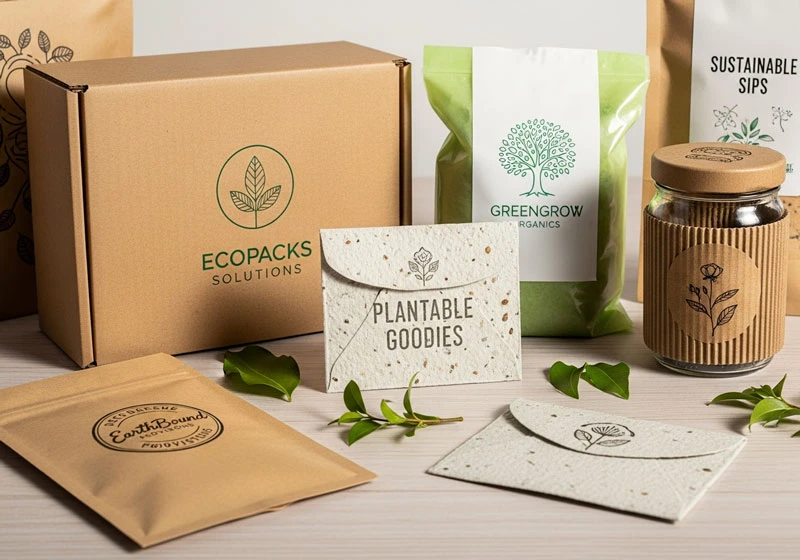
Elevate Your Brand’s Sustainability and Market Appeal in SA
Eco Packaging
In South Africa’s rapidly evolving consumer landscape, embracing eco-friendly packaging is no longer just a trend; it’s a strategic imperative for any green business aiming for long-term success and genuine market differentiation. The immediate takeaway is clear: businesses that integrate sustainable packaging solutions into their core operations are better positioned to meet growing consumer demand for environmental responsibility, comply with emerging regulations, and ultimately cultivate a stronger, more resilient brand identity. This proactive approach translates directly into tangible benefits, from enhanced customer loyalty to improved supply chain efficiency, making the transition to eco-packaging a crucial step for growth in the South African market.
The reasoning behind this shift is multifaceted, rooted in both environmental necessity and commercial opportunity. South Africa, like many nations, grapples with significant waste management challenges, with landfills nearing capacity and plastic pollution impacting vital ecosystems. Consumers, particularly the younger demographic, are increasingly aware of these issues and actively seek out brands that demonstrate a genuine commitment to sustainability. A recent study indicated a significant portion of South African consumers are willing to pay a premium for eco-friendly products, underscoring the market’s readiness for greener alternatives. Furthermore, regulatory frameworks, such as the Extended Producer Responsibility (EPR) regulations in South Africa, place a greater onus on producers to manage the lifecycle of their packaging, making sustainable choices not just ethical, but legally and financially prudent. Businesses failing to adapt risk falling behind competitors who champion eco-conscious practices and potentially facing penalties for non-compliance. Eco-packaging, therefore, represents a holistic approach to minimizing environmental impact by focusing on materials that are renewable, recycled, recyclable, or biodegradable, reducing waste at every stage from production to disposal.
For South African green businesses ready to make this pivotal transition, the actionable steps involve a structured and thoughtful process. Firstly, conduct a comprehensive packaging audit of your existing products to identify areas where traditional materials can be replaced with sustainable alternatives. This involves understanding your current packaging’s carbon footprint, waste generation, and recyclability within the South African context. Secondly, set clear, measurable sustainability goals for your packaging, such as reducing virgin plastic use by a certain percentage or achieving 100% recyclability for all product lines within a specific timeframe. Thirdly, begin exploring the diverse array of eco-friendly packaging options available, from recycled content cardboard and innovative plant-based materials to biodegradable polymers suitable for the local climate and infrastructure. Engage with local suppliers and experts who understand the nuances of the South African market and can provide materials that are not only sustainable but also economically viable and compliant with local standards. Overlooking the ‘end-of-life’ scenario for packaging in South Africa – whether it’s genuinely recyclable or compostable – is a common pitfall. Ensure your choices align with what can actually be processed effectively within the country’s existing waste management systems, otherwise, your green efforts might inadvertently contribute to landfill rather than genuinely closing the loop. Partnering with certified suppliers and understanding local waste infrastructure is paramount to ensuring your Eco Friendly Packaging Customisation truly makes a difference.
| Packaging Type | Key Environmental Impact (General) | Typical SA Recyclability/Compostability | Benefits of Custom Eco Friendly Packaging Customisation |
|---|---|---|---|
| Traditional Plastic (Virgin) | High carbon footprint, persistent pollution, resource depletion | Limited (PET/HDPE better than others) | N/A (Represents the problem being solved) |
| Recycled Content Cardboard | Lower carbon footprint, reduces landfill waste | Good (Widely collected) | Brand messaging, product protection, strong green credentials |
| Biodegradable/Compostable Films | Breaks down naturally, reduces plastic pollution | Variable (Requires industrial composting facilities, limited in SA) | Aligns with natural products, innovative branding |
| Glass (Recycled Content) | High energy for production, infinite recyclability | Good (Widely collected) | Premium feel, reusable, excellent barrier properties |
This table illustrates the stark contrast between traditional packaging options and their eco-friendly counterparts, particularly highlighting their general environmental impacts and their typical end-of-life scenarios within the South African context. For green businesses, the Benefits of Custom Eco Friendly Packaging Customisation often include not just environmental gains but also significant brand enhancement and consumer trust.
Recyclable Materials
The cornerstone of effective Eco Friendly Packaging Customisation for green businesses in South Africa lies in the judicious selection of recyclable materials. The crucial takeaway here is that not all “recyclable” materials are created equal, especially when considering the specific waste management infrastructure and consumer habits prevalent in the South African market. Choosing the right material ensures that your packaging genuinely contributes to a circular economy, rather than simply becoming another item in a landfill. This thoughtful selection process directly impacts your brand’s environmental integrity and the feasibility of your sustainability claims, making it a critical consideration for any business committed to genuine green practices.
The reasoning behind this meticulous selection process stems from the varying degrees of recyclability and the availability of processing facilities across South Africa. For instance, while PET (polyethylene terephthalate, commonly used for beverage bottles) and HDPE (high-density polyethylene, used for milk bottles and detergents) plastics have relatively well-established collection and recycling streams in many parts of the country, other plastic types, often labelled as recyclable, may face significant challenges due to lack of sorting infrastructure or limited market demand for the recycled material. Pulp and paper-based options, such as Kraft paper, corrugated cardboard, and moulded pulp, generally boast excellent recyclability in South Africa, provided they are not excessively contaminated with food waste or non-recyclable coatings. Glass, though heavy and energy-intensive to produce, is infinitely recyclable and enjoys good collection rates. Aluminum also stands out as a highly recyclable material with strong market value. A common pitfall is falling for “wish-cycling,” where consumers dispose of items they hope are recyclable, only for them to contaminate legitimate recycling streams. Businesses must therefore not only select genuinely recyclable materials but also provide clear, unambiguous instructions to consumers on how and where to recycle their packaging within the South African context. Certifications from reputable bodies like the Forest Stewardship Council (FSC) for paper products or local recycling initiatives can add credibility to your material choices, demonstrating a commitment beyond mere claims.
To effectively implement packaging using recyclable materials, South African green businesses should follow several actionable steps. Firstly, prioritize materials with high recycling rates and established infrastructure within SA. This includes opting for widely accepted plastics (PET, HDPE), paper and board (especially those with high recycled content and FSC certification), glass, and aluminum. Secondly, partner with packaging suppliers who not only offer these materials but can also provide transparent data on their recycled content, source, and end-of-life options specific to the local market. It’s vital to inquire about local sourcing to reduce the carbon footprint associated with transportation. Thirdly, design your packaging for maximum recyclability. This means avoiding mixed materials where possible (e.g., plastic windows on cardboard boxes), using easily removable labels, and ensuring that any inks or adhesives are compatible with the recycling process. For example, using water-based adhesives on paper packaging instead of strong synthetic glues can significantly improve its recyclability. Lastly, and perhaps most crucially, educate your consumers. Clear labelling, perhaps incorporating the local recycling symbols and a brief explanation of how to dispose of the packaging correctly in South Africa, empowers consumers to participate effectively in the circular economy. This not only enhances your brand’s green credentials but also directly supports the local recycling efforts, fostering a community of responsible consumption and disposal. Investing in research to understand emerging material innovations that are genuinely compatible with South African processing capabilities will also ensure your brand remains at the forefront of sustainable packaging practices.
Custom Printing
Custom printing on eco-friendly packaging offers a powerful and direct avenue for South African green businesses to reinforce their brand values, communicate sustainability efforts, and connect authentically with their target audience. The key takeaway is that your packaging is not just a protective layer; it’s a dynamic canvas for storytelling, education, and brand differentiation in a market increasingly sensitive to environmental impact. Through thoughtful customisation, businesses can transform a mere container into a potent communication tool, ensuring every package that leaves their facility speaks volumes about their commitment to a greener future, directly influencing consumer perception and loyalty across the diverse South African demographic.
The reasoning behind investing in custom printing for your eco-packaging extends beyond mere aesthetics; it’s about strategic communication and brand reinforcement. In a competitive South African market, where consumers are bombarded with choices, packaging often serves as the first physical touchpoint with your brand. Custom designs allow you to tell your brand’s unique sustainability story – perhaps detailing the origin of your recycled materials, the local communities you support, or specific environmental initiatives your business undertakes. This narrative builds trust and resonates deeply with environmentally conscious consumers who are looking for more than just a product; they seek alignment with values. Moreover, custom printing facilitates the clear communication of essential information, such as how to properly recycle or compost the packaging in specific South African municipalities, turning a potential disposal confusion into an educational opportunity. From a technical standpoint, advancements in eco-friendly printing techniques mean that vibrant, high-quality designs are achievable without compromising sustainability. Traditional petroleum-based inks can be replaced with soy or vegetable-based inks, which are biodegradable and contain fewer volatile organic compounds (VOCs), making them safer for the environment and for the employees involved in the printing process. Similarly, water-based coatings offer protective layers that are less impactful than their solvent-based counterparts. Digital printing, increasingly accessible in South Africa, also provides flexibility for smaller print runs, reducing waste associated with minimum order quantities and allowing for seasonal or campaign-specific designs without significant setup costs.
For South African green businesses to effectively leverage custom printing for their eco-friendly packaging, a series of actionable steps should be followed. Firstly, collaborate closely with graphic designers who possess a strong understanding of sustainable packaging materials and eco-friendly printing processes. This ensures that your design not only looks good but is also optimised for the chosen material (e.g., porous nature of Kraft paper) and compatible with green printing methods. Pitfalls include designs that require excessive ink coverage or intricate details that might be challenging with certain eco-friendly inks or materials, potentially leading to quality issues or increased costs. Secondly, explicitly specify the use of eco-friendly inks (like soy or vegetable-based options) and water-based coatings to your printing partners. Confirm their certifications and practices to ensure they align with your brand’s sustainability ethos. Many printing houses in South Africa are now offering these options, so inquire about their capabilities and previous projects. Thirdly, incorporate clear and concise messaging on your packaging that highlights its eco-friendly attributes. This could include recycling instructions tailored to the South African context, symbols indicating recycled content, or a short, compelling statement about your brand’s commitment to the environment. Lastly, consider the lifecycle of your printed packaging. Ensure that the inks and finishes chosen do not hinder the recyclability or compostability of the base material. For instance, certain metallic foils or heavy laminations, while aesthetically pleasing, can significantly complicate the recycling process for paper and cardboard. Prioritizing simplicity and clarity in both design and messaging will not only enhance your brand’s appeal but also contribute genuinely to a more sustainable packaging ecosystem in South Africa, demonstrating that Eco Friendly Packaging Customisation can truly be beautiful and responsible.
B2B Solutions
For green businesses operating in South Africa, the application of Eco Friendly Packaging Customisation extends far beyond consumer-facing products; it plays a pivotal role in optimising B2B operations, streamlining supply chains, and strengthening strategic partnerships. The undeniable takeaway is that customised sustainable packaging solutions for business-to-business transactions are not merely an environmental nicety but a powerful operational advantage, offering significant cost savings, logistical efficiencies, and a profound enhancement of your brand’s reputation throughout the value chain. By focusing on smart, sustainable B2B packaging, companies can reduce their overall environmental footprint while simultaneously boosting their bottom line and fortifying relationships with environmentally conscious partners across the South African industrial landscape.
The reasoning behind prioritizing sustainable B2B packaging is rooted in a combination of economic, environmental, and reputational factors relevant to the South African context. Firstly, optimised B2B packaging can lead to substantial reductions in waste and associated disposal costs, which can be significant for businesses dealing with large volumes. Lightweight yet durable materials, such as recycled corrugated cardboard or reusable plastic crates made from recycled content, can drastically cut transportation costs by reducing fuel consumption, a critical consideration given fuel price volatility in South Africa. Secondly, retailers and distributors in South Africa are increasingly scrutinizing their own supply chain sustainability, and partnering with suppliers who provide eco-friendly B2B packaging solutions gives you a competitive edge. This proactive alignment with their sustainability goals can unlock new market opportunities and deepen existing business relationships. Thirdly, customised B2B packaging allows for greater efficiency in warehousing and logistics. Tailoring box sizes to fit products perfectly minimizes void fill and maximizes pallet space, reducing the number of shipments required. For instance, a local agricultural produce supplier might transition from standard, generic boxes to custom-designed, stackable, reusable crates made from locally sourced, recycled plastic, specifically designed to protect delicate produce while optimising truckloads for distribution across provinces. A common pitfall is overlooking the durability requirements for B2B packaging; while sustainability is key, the packaging must still withstand the rigors of transit and handling, especially in diverse South African logistical environments. Therefore, material strength, moisture resistance, and reusability potential must be carefully balanced with environmental credentials.
To effectively implement B2B Eco Friendly Packaging Customisation, South African green businesses should undertake several actionable steps. Firstly, conduct a thorough analysis of your entire supply chain to identify key touchpoints where packaging can be optimised for sustainability and efficiency. This includes everything from bulk transit packaging for raw materials to secondary packaging for finished goods shipped to retailers. Look for opportunities to reduce material usage, switch to recycled or renewable materials, and design for reusability or easier recycling at the end of its life cycle. Secondly, engage in close collaboration with your packaging suppliers to develop bespoke solutions tailored to your specific product dimensions, shipping methods, and logistical constraints within South Africa. For instance, a manufacturer of solar panels might require custom-moulded pulp inserts for shock protection, replacing polystyrene, ensuring products arrive safely while being environmentally responsible. Thirdly, explore solutions that enable a closed-loop system with your B2B partners. This could involve implementing returnable packaging programmes where reusable crates or pallets are collected and refilled, significantly reducing waste and operating costs for both parties. This not only minimizes environmental impact but also fosters stronger, more collaborative relationships built on shared sustainability objectives. Regularly solicit feedback from your logistics teams and B2B customers on the performance of your eco-friendly packaging, ensuring it meets functional requirements while adhering to your green commitments. The goal is to create a seamless, sustainable packaging flow that benefits your business, your partners, and the environment, solidifying your brand’s reputation as a leader in responsible business practices in South Africa through meticulous Eco Friendly Packaging Customisation.
| B2B Eco-Friendly Packaging Solution | Primary Use Case (South Africa) | Key Benefits for Green Businesses | Customisation Potential |
|---|---|---|---|
| Recycled Corrugated Boxes | Bulk product shipments, retail-ready displays, internal transfers | Cost-effective, widely recyclable, lightweight, good protection | Size, shape, branding (eco-inks), internal dividers, stackability |
| Reusable Plastic Crates (Recycled HDPE/PP) | Closed-loop logistics, fresh produce, high-value components | Durability, reduced waste, long-term cost savings, operational efficiency | Branding via labels/etching, specific dimensions, nesting/stacking features |
| Moulded Pulp Inserts & Trays | Fragile product protection (electronics, cosmetics, eggs) | Biodegradable, compostable, excellent cushioning, made from waste paper | Precise fit for products, custom shapes and densities |
This table outlines various B2B eco-friendly packaging solutions relevant to the South African market, detailing their primary applications and the benefits they offer green businesses. Importantly, it also highlights the extensive customisation potential for each, emphasizing how Eco Friendly Packaging Customisation can be tailored to specific operational needs while maintaining strong environmental credentials.
Brand Sustainability
Eco-friendly packaging customisation serves as a cornerstone of comprehensive brand sustainability, resonating deeply with the values of discerning South African consumers and fostering long-term loyalty that transcends transactional relationships. The critical takeaway here is that your packaging is often the most visible and tangible manifestation of your brand’s commitment to the planet; it is a silent, yet powerful, ambassador of your sustainability narrative. By investing in thoughtfully designed and genuinely green packaging, South African businesses can cultivate a reputation for authenticity and responsibility, creating a profound connection with their audience that strengthens brand equity and ensures enduring success in an increasingly conscious marketplace.
The reasoning for integrating packaging deeply into your brand’s sustainability strategy is compelling. In South Africa, consumers are not merely buying products; they are increasingly investing in brands that align with their personal ethics and contribute positively to society and the environment. Packaging, therefore, is not just about protection; it’s about perception. It’s the first opportunity to visibly demonstrate your dedication to eco-conscious practices, reinforcing every claim your brand makes about its green credentials. A brand that uses sustainable ingredients but ships them in conventional plastic may struggle with credibility, whereas a brand that uses eco-friendly packaging from sourcing to disposal sends a consistent and powerful message. This consistency builds trust, which is invaluable in a market often skeptical of greenwashing. Beyond consumer perception, a holistic approach to brand sustainability, beginning with packaging, also drives internal alignment and innovation. It encourages your teams to think creatively about resource efficiency, waste reduction, and ethical sourcing across all operations. For example, a South African food brand that customises its packaging to be home-compostable not only delights eco-conscious consumers but also supports local efforts to reduce food waste in landfills, showcasing a commitment beyond just the product itself. The pitfall here is failing to communicate these efforts transparently or making unsubstantiated claims; authenticity is key. Brands must be prepared to back up their packaging choices with verifiable data and be open about their sustainability journey, including challenges and ongoing improvements.
To effectively embed Eco Friendly Packaging Customisation within your broader brand sustainability strategy, South African businesses should take several actionable steps. Firstly, develop a clear and compelling sustainability narrative that integrates your packaging choices. This story should explain *why* you chose specific eco-friendly materials, *how* your custom designs support recycling or reuse, and *what* impact these choices have on the environment and local communities in South Africa. This narrative can be shared on your packaging itself, on your website, and through social media. Secondly, ensure transparency in your communication. Avoid vague terms and buzzwords; instead, provide specific details about your packaging’s certifications, recycled content percentages, or end-of-life instructions tailored for the South African context. For instance, clearly state if a compostable package requires industrial composting (and where facilities exist) versus home composting. Thirdly, engage with your community and customers on your sustainability journey. This could involve collaborating with local recycling initiatives, hosting workshops on sustainable living, or inviting customer feedback on your packaging. Such engagement transforms passive consumers into active participants and brand advocates. Lastly, commit to continuous improvement. The landscape of sustainable packaging materials and technologies is constantly evolving. Regularly review your packaging choices, research new innovations applicable to the South African market, and be prepared to adapt. This demonstrates a genuine, long-term commitment to sustainability rather than a one-off marketing tactic. By meticulously integrating Eco Friendly Packaging Customisation into every facet of your brand, South African green businesses can build a powerful legacy of responsibility, innovation, and unwavering consumer trust, truly living up to their green promise.
