
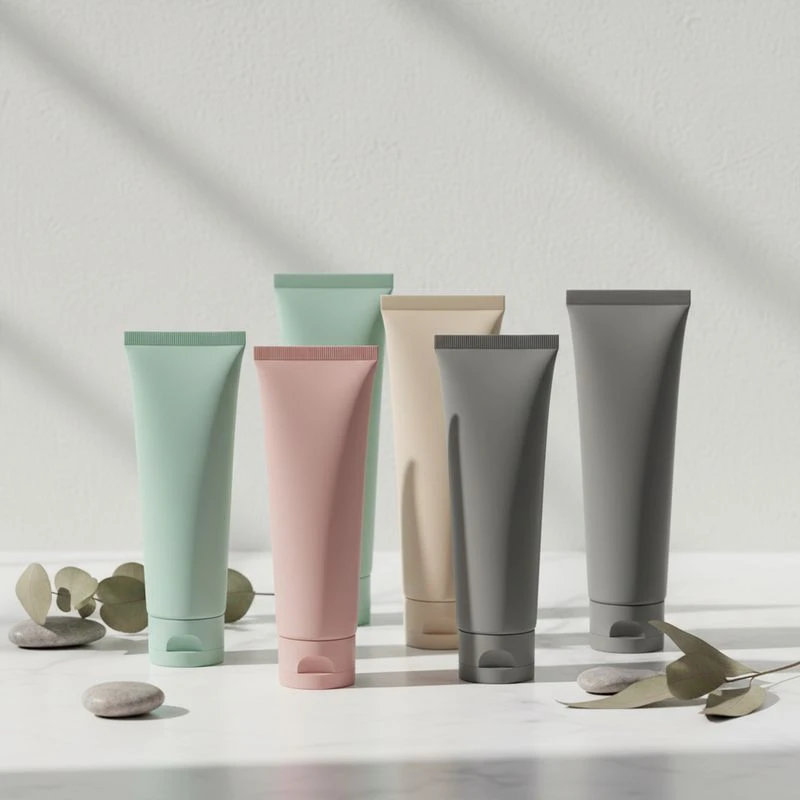
Unlocking bespoke design, sustainable solutions, and supply chain excellence for the vibrant beauty market.
Tube Packaging
In the highly competitive South African skincare and cosmetics market, the first impression is often the lasting one, and this impression is overwhelmingly conveyed through your product’s packaging. Investing in custom tube packaging is not merely an aesthetic choice; it is a strategic imperative that significantly differentiates your brand, ensures product integrity, and communicates your brand’s unique value proposition to the discerning consumer. The tactile experience of a well-designed tube, its ergonomic feel, and its visual appeal directly influence purchasing decisions and foster brand loyalty. A generic, off-the-shelf tube simply cannot capture the essence and quality of a carefully formulated product, nor can it stand out amidst a plethora of options on crowded retail shelves, whether physical or digital.
The reasoning behind this strategic investment is multifaceted. Custom tubes offer unparalleled protection against external contaminants, light exposure, and air, all of which can degrade sensitive cosmetic formulations. This extended shelf-life and preservation of efficacy are crucial for maintaining consumer trust and reducing product returns. Furthermore, the convenience factor of tube packaging – its portability, ease of dispensing, and minimal product waste – significantly enhances the user experience, making your product a preferred choice for daily routines or on-the-go applications. The ability to fully customise the shape, size, material, and closure of the tube allows brands to create a package that perfectly aligns with their product’s viscosity, target audience, and brand identity. This level of customisation enables powerful brand storytelling, turning a simple container into an active component of your marketing strategy.
To effectively leverage custom tube packaging, brands should begin by thoroughly defining their target audience and understanding their preferences, pain points, and lifestyle. This insight will guide decisions on material selection, such as opting for soft-touch finishes for a luxurious feel or vibrant, durable plastics for a more active, youthful demographic. Consider the specific nature of your product – a delicate serum might require an airless pump tube for maximum protection, while a thick body butter could benefit from a wide-mouth flip-top cap for easy dispensing. Engaging with experienced packaging designers and manufacturers is an actionable step that can transform your vision into a tangible, market-ready product. They can provide expertise on material compatibility, structural integrity, and regulatory compliance, ensuring your packaging is both beautiful and functional. A potential pitfall is selecting a material that reacts negatively with your product formulation, leading to discoloration, degradation, or even structural failure of the tube. To circumvent this, always demand material compatibility testing with your specific product before committing to large production runs. Another common issue is underestimating design complexity; a solution involves collaborating closely with designers who understand print limitations and material properties to avoid costly revisions. The goal is to create packaging that not only looks exceptional but also performs flawlessly throughout its lifecycle, from manufacturing to the consumer’s last squeeze.
Beauty Industry
The South African beauty industry is a vibrant and dynamic landscape, characterized by rapid growth, evolving consumer demands, and a burgeoning number of local brands making their mark. In this highly competitive environment, where consumers are increasingly sophisticated and environmentally conscious, custom tube packaging emerges not just as a preference but as a fundamental requirement for brands seeking to establish a strong identity and capture market share. The industry thrives on innovation, efficacy, and visual appeal, with packaging playing a pivotal role in communicating all three. From the bustling urban centres to the widespread rural communities, a diverse consumer base exists, each with unique skin concerns, cultural preferences, and purchasing power, demanding tailored approaches from brands, starting with their product presentation.
The reasoning behind the critical importance of custom packaging in this context stems from several factors. Firstly, the “look and feel” of a product is often the primary gatekeeper to a consumer’s attention, especially in a market where new brands and products are constantly vying for visibility. Custom tube packaging allows brands to instantly convey their ethos, whether it’s luxury, natural, scientific, or youthful, through a combination of materials, finishes, and graphic design. Secondly, there is a growing demand for locally sourced and manufactured products within South Africa, often accompanied by a desire for packaging that reflects regional identity or sustainable practices. Brands that can authentically represent these values through their packaging gain a significant advantage. Thirdly, the rise of e-commerce has put even more emphasis on visual appeal, as consumers often make purchasing decisions based solely on product images online, making distinctive and high-quality packaging essential for standing out in a virtual marketplace. Moreover, South African consumers are increasingly aware of global beauty trends, yet they also seek products tailored to their specific climate and skin types, requiring packaging that can withstand diverse environmental conditions while communicating specialised benefits.
For beauty brands operating within or entering the South African market, actionable steps begin with in-depth market research to understand current consumer trends, purchasing behaviors, and perceptions regarding packaging. This includes identifying preferences for certain materials, colours, and sustainability features. For instance, there’s a growing inclination towards natural ingredients and eco-friendly packaging, making options like PCR (Post-Consumer Recycled) or bio-plastic tubes highly attractive. Collaborating with local packaging designers who possess an intimate understanding of South African culture and consumer psychology can help avoid pitfalls like misinterpreting local aesthetic preferences or inadvertently using culturally insensitive imagery. Compliance with local regulations, such as those set by the South African Bureau of Standards (SABS) for labelling and product claims, is non-negotiable and must be meticulously integrated into the custom tube packaging design. For example, specific ingredient lists, expiry dates, and usage instructions must be clearly legible and durable on the tube. A common pitfall is to simply adopt packaging trends from international markets without local adaptation, which can lead to products feeling disconnected from the local consumer base. The solution lies in a balanced approach: incorporating global best practices while infusing local relevance. Engaging in focus groups or consumer surveys during the packaging design phase can provide invaluable feedback, ensuring the final custom tube packaging resonates deeply with its intended South African audience, making it not just a container but a powerful brand ambassador.
B2B Supply
For any skincare or cosmetics brand, ensuring a robust and reliable B2B supply chain for custom tube packaging is absolutely paramount for sustained operations and market success in South Africa. The ability to consistently procure high-quality, on-brand packaging components directly impacts production schedules, product launch timelines, and ultimately, a brand’s reputation and profitability. In a market where consumer expectations for product availability and freshness are high, any disruption in the packaging supply chain can lead to costly delays, lost sales, and damaged brand image. This is particularly true for South African businesses, which may face unique challenges related to logistics, import regulations, and local manufacturing capabilities. A seamless supply chain allows brands to focus on what they do best: creating exceptional beauty products, knowing their packaging needs are handled by expert partners.
The reasoning behind prioritizing a strong B2B supply relationship is rooted in operational efficiency and risk mitigation. A trusted supplier of custom tube packaging provides not just components but also expertise, technical support, and consistency. They can advise on the latest material innovations, assist with quality control, and help navigate complex design challenges. For instance, maintaining consistent colour matching across different production batches is crucial for brand integrity, and a reliable supplier utilizes advanced printing technologies and quality assurance protocols to guarantee this. Furthermore, a stable supply chain enables better inventory management, reducing the need for excessive stock (which ties up capital) while minimizing the risk of stockouts. Scalability is another key factor; as a brand grows, its packaging needs will evolve, and a flexible B2B partner can adapt to increased volumes, new product lines, and updated designs without compromising on quality or lead times. This relationship is a partnership, not merely a transactional exchange, fostering long-term stability and mutual growth.
To establish and maintain an effective B2B supply chain for custom tube packaging, several actionable steps are essential. Firstly, meticulously vet potential suppliers, scrutinizing their manufacturing capabilities, quality certifications (e.g., ISO standards), previous client testimonials, and their capacity to meet your specific customisation requirements. Requesting samples and conducting pilot runs is a non-negotiable step before committing to large orders. Secondly, establish clear, comprehensive specifications for your custom tube packaging, covering everything from material composition and wall thickness to print colours (using Pantone references where possible), closure types, and secondary finishes. This minimizes misunderstandings and ensures the final product meets your exact vision. Thirdly, negotiate contracts that clearly outline pricing structures, lead times, minimum order quantities (MOQs), payment terms, and quality control procedures. It is advisable to consider having relationships with at least two vetted suppliers for critical components to mitigate risks associated with a single point of failure, such as unforeseen production issues or geopolitical events. A common pitfall for brands is focusing solely on the lowest price, which can often lead to compromises in quality, unreliable delivery, and poor customer service. The solution is to prioritize value over cost, considering the total cost of ownership which includes quality, reliability, and support. Another pitfall is underestimating lead times, especially for highly customised orders or international shipments into South Africa. Proactive planning, often six to nine months in advance for new product launches, and maintaining open lines of communication with your supplier are critical. Regular review meetings with your chosen B2B partner can help address any emerging issues promptly and foster a collaborative environment, ensuring your custom tube packaging needs are consistently met with efficiency and excellence.
| Material Type | Key Advantages | Best For | Recyclability in SA* | Primary Keyword |
|---|---|---|---|---|
| LDPE (Low-Density Polyethylene) | Flexible, excellent barrier properties, good chemical resistance. | Creams, lotions, gels. | Good (Code 4) | Custom Tube Packaging |
| HDPE (High-Density Polyethylene) | More rigid, higher chemical resistance, good moisture barrier. | Thicker creams, sunscreens, personal care. | Good (Code 2) | Custom Tube Packaging |
| PCR (Post-Consumer Recycled) | Environmentally friendly, reduces virgin plastic use. | Eco-conscious brands, various products. | Depends on base resin (often LDPE/HDPE) | Custom Tube Packaging |
| Sugarcane Bio-plastic (Green PE) | Renewable resource, carbon-neutral, similar properties to traditional PE. | Natural/organic brands, sustainability focus. | Good (Code 2/4) | Custom Tube Packaging |
| ABL/PBL (Aluminum/Plastic Barrier Laminate) | Excellent barrier for sensitive products, prevents oxidation. | Actives, medicated creams, oral care. | Challenging (Multi-material) | Custom Tube Packaging |
This table outlines the specifications of various materials commonly used in custom tube packaging, highlighting their advantages and suitability for different product types within the South African market. Understanding these material properties is crucial for brands to select the most appropriate and effective packaging solution. The recyclability rating is particularly relevant for the increasingly environmentally aware consumer base in South Africa, guiding sustainable brand choices.
Printing
The visual impact of your custom tube packaging is intrinsically linked to the quality and choice of printing. In the vibrant South African beauty market, where products often compete on shelves packed with diverse offerings, exceptional printing is not merely an aesthetic enhancement; it is a critical tool for brand identity, consumer engagement, and conveying essential product information. High-quality printing transforms a simple tube into a miniature billboard, communicating your brand’s ethos, product benefits, and unique selling propositions within seconds. It’s the silent salesperson that captures attention, evokes emotion, and builds trust, making the printing process a pivotal stage in the development of any effective custom tube packaging solution.
The reasoning behind meticulous attention to printing detail is clear. Firstly, the print quality directly reflects the perceived quality of the product inside. Smudged logos, misaligned text, or inconsistent colours can quickly undermine a brand’s credibility, regardless of the efficacy of the skincare or cosmetic formulation. Consumers associate crisp, vibrant, and accurate printing with professionalism and attention to detail, implying a higher quality product. Secondly, printing is essential for conveying mandatory information, such as ingredient lists, usage instructions, expiry dates, and batch codes, all of which must be legible and durable to comply with South African regulatory standards. Thirdly, advanced printing techniques allow for creative embellishments like matte or gloss finishes, metallic accents, or tactile textures, which can significantly enhance the sensory experience of the packaging, adding a layer of luxury or uniqueness that sets a product apart. These features are particularly effective in a market that appreciates innovation and sensory appeal, helping custom tube packaging to leave a memorable impression.
To ensure optimal printing results for your custom tube packaging, several actionable steps should be followed. Begin by selecting the appropriate printing technique based on your design complexity, desired aesthetic, and budget. Offset printing is ideal for intricate designs, fine details, and photographic imagery, offering excellent colour consistency for larger runs. Silk screen printing, on the other hand, provides a tactile, raised ink effect and vibrant, opaque colours, making it suitable for bold graphics and simpler designs. For highly customised, shorter runs, or designs with variable data, digital printing offers flexibility and quick turnaround times. Always insist on seeing physical proofs or mock-ups of your printed custom tube packaging before mass production to catch any discrepancies in colour, alignment, or text legibility. Providing your manufacturer with precise colour specifications, ideally using Pantone Matching System (PMS) codes, is crucial for achieving consistent brand colours across different packaging elements and print runs. A common pitfall is underestimating the impact of the tube material and finish on print quality; a matte finish, for instance, might absorb colours differently than a glossy one. The solution involves working closely with your packaging supplier and printer to understand these nuances and conducting print tests on the actual material. Another potential pitfall is neglecting the durability of the print, especially for products that will be frequently handled or exposed to moisture. Choosing inks and finishes that are scratch-resistant and waterproof is vital for maintaining the packaging’s integrity throughout its lifecycle. By diligently managing the printing process, your custom tube packaging will not only meet but exceed expectations, making a powerful visual statement in the competitive South African beauty market.
| Printing Technique | Advantages | Best Suited For | Cost Implications | Primary Keyword |
|---|---|---|---|---|
| Offset Printing | High resolution, excellent colour gradients, photographic quality. | Complex graphics, large volume orders, fine details. | Moderate to High (initial setup), Low (per unit for high volume). | Custom Tube Packaging |
| Silk Screen Printing | Vibrant, opaque colours, tactile finish, durable print. | Bold text, simple graphics, spot colours, dark tubes. | Low (setup), Moderate (per unit). | Custom Tube Packaging |
| Hot Stamping | Metallic or holographic effects, premium look, durable. | Logos, accents, luxury branding. | Moderate (setup), Moderate (per unit). | Custom Tube Packaging |
| Digital Printing | No plates needed, variable data printing, quick turnaround. | Short runs, personalised packaging, prototypes. | High (per unit for low volume), Lower (setup). | Custom Tube Packaging |
| Flexographic Printing | High speed, low cost for long runs, versatile on various materials. | Large solid areas, simple graphics, very high volume. | Moderate (initial setup), Very Low (per unit for high volume). | Custom Tube Packaging |
This table provides a comprehensive comparison of various printing techniques applicable to custom tube packaging, detailing their strengths and ideal use cases. Brands can leverage this information to make informed decisions that align with their design vision, budget, and production scale. Selecting the right printing method is critical for achieving the desired aesthetic and durability for your custom tube packaging.
Recyclable
In today’s global landscape, and increasingly within South Africa, the demand for sustainable practices across all industries, particularly in consumer goods, has reached an unprecedented level. For skincare and cosmetics brands, embracing recyclable custom tube packaging is no longer a niche differentiator but a fundamental expectation from environmentally conscious consumers and a critical component of corporate social responsibility. The environmental impact of plastic waste is a growing concern, and brands that actively work towards minimizing their footprint through sustainable packaging solutions gain significant favor, building a strong, positive brand image that resonates with a growing segment of the South African market. This shift towards sustainability is driven by a collective awareness of climate change and pollution, compelling consumers to scrutinize the entire lifecycle of the products they purchase.
The reasoning behind prioritizing recyclable custom tube packaging is multifaceted. Firstly, it directly addresses consumer demand. South African consumers, like their global counterparts, are increasingly seeking out brands that demonstrate a genuine commitment to environmental protection. Offering recyclable packaging signals that a brand is aligned with these values, fostering loyalty and trust. Secondly, it contributes to reducing plastic pollution, especially in a country grappling with waste management challenges. By using materials that can be reprocessed, brands play an active role in the circular economy, diverting waste from landfills and oceans. Thirdly, governments and regulatory bodies globally are introducing stricter guidelines and mandates for packaging sustainability. Proactive adoption of recyclable solutions positions brands favorably, reducing the risk of future non-compliance and potential penalties. Furthermore, communicating your brand’s sustainability efforts through your custom tube packaging can become a powerful marketing tool, attracting a demographic that values eco-friendly choices. This isn’t just about avoiding a negative perception; it’s about actively building a reputation as a responsible and forward-thinking entity in the beauty industry.
Implementing recyclable custom tube packaging requires a strategic approach and a thorough understanding of available materials and local recycling infrastructure in South Africa. An actionable step is to explore materials such as PCR (Post-Consumer Recycled) content, which integrates recycled plastics (often HDPE or LDPE) back into new tubes, reducing the reliance on virgin plastics. Another highly effective approach is to opt for mono-material tubes, meaning the entire tube (body and cap, if possible) is made from a single type of plastic (e.g., all HDPE or all LDPE). This significantly simplifies the recycling process, as sorting facilities can more easily identify and process them. Clearly labelling your custom tube packaging with universally recognized recycling symbols (like the Mobius loop with the plastic resin identification code, e.g., “2” for HDPE or “4” for LDPE) is crucial. This educates consumers on how to properly dispose of the empty tube, maximizing its chances of being recycled. Brands should also consider innovative bio-based plastics, such as sugarcane-derived polyethylene (Green PE), which offer similar performance to traditional plastics but are made from renewable resources. A common pitfall is “greenwashing,” where brands make unsubstantiated or misleading environmental claims. To avoid this, be transparent and honest about your sustainability efforts, providing clear information on the materials used and their recyclability. Another challenge can be the perception of higher costs for sustainable materials. While some eco-friendly options might have a slightly higher initial outlay, the long-term benefits in terms of brand reputation, consumer loyalty, and reduced environmental impact often outweigh these costs. Engaging with packaging suppliers who specialize in sustainable solutions and are knowledgeable about South Africa’s recycling capabilities is vital to navigating this evolving landscape successfully. By taking these deliberate steps, your custom tube packaging can stand as a testament to your brand’s commitment to a greener future, resonating deeply with the conscientious South African consumer.
