
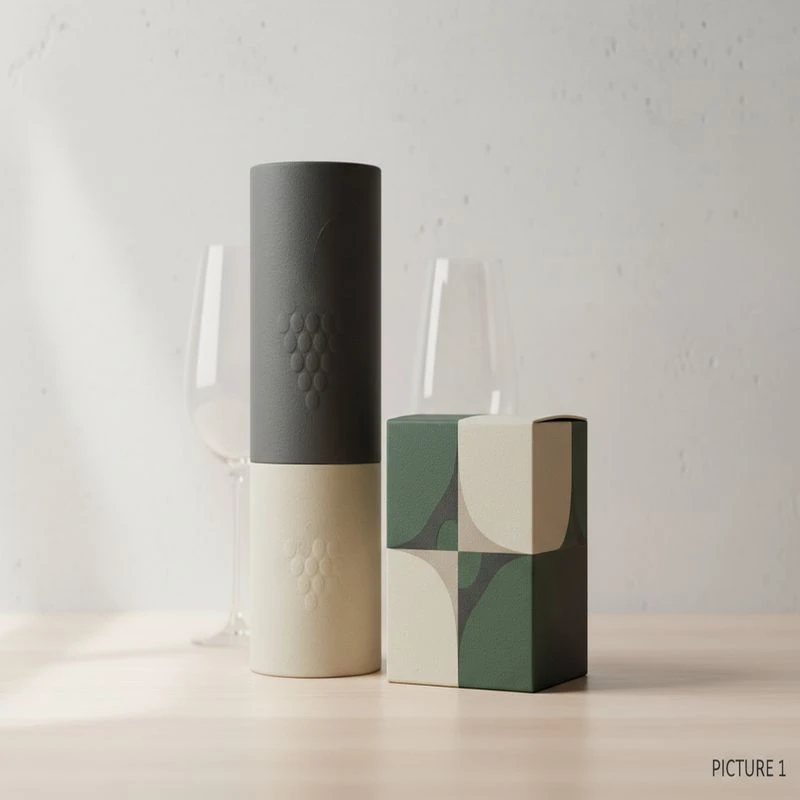
Elevating Brands and Experiences in the South African Market
In the vibrant and highly competitive South African market, merely having an exceptional wine or spirit is no longer enough to capture consumer attention. The visual and tactile experience delivered by your product’s presentation plays an equally critical role in shaping perception, driving sales, and forging lasting brand loyalty. This is precisely where the power of custom packaging for wine and spirits comes into play. It transforms a simple bottle into a compelling narrative, a statement of quality, and an unforgettable brand experience. For producers looking to stand out on crowded shelves, attract discerning buyers, and build a premium image, investing in thoughtful, tailored packaging is not just an option, but a strategic imperative. From the rolling vineyards of the Cape Winelands to the burgeoning craft distilleries across the nation, brands are discovering that their packaging is often the first, and most enduring, impression they make.
Wine Packaging
For South African wine producers, custom packaging is the silent salesperson working tirelessly on the retail floor. In a market saturated with world-class wines, differentiation is paramount, and your packaging is the immediate signal of your brand’s unique identity and value proposition. It’s about more than just aesthetics; it’s about conveying the heritage, the terroir, and the meticulous craftsmanship that goes into every bottle. When designing custom packaging for wine, a holistic approach is essential, considering everything from the choice of materials to printing techniques and structural design. Imagine a consumer browsing a wine aisle; their decision is often made within seconds, based heavily on visual appeal and perceived quality. A beautifully designed box, a unique label texture, or a thoughtfully integrated sleeve can immediately elevate your product above generic offerings, inviting closer inspection and fostering curiosity.
The reasoning behind this strategic investment is clear: consumers are increasingly seeking stories and experiences, not just products. Custom wine packaging allows you to tell your story before the bottle is even opened. This could involve incorporating elements of your winery’s architecture, the local landscape, or the historical significance of a particular varietal into the design. Environmentally conscious consumers, prevalent in South Africa, are also heavily influenced by sustainable packaging choices. Opting for recycled materials, biodegradable inks, or packaging that minimises waste speaks volumes about your brand’s values. Pitfalls often arise when brands view packaging as a mere cost rather than an investment, leading to generic designs that fail to resonate or protective packaging that falls short, resulting in costly damages. Solutions involve collaborating with experienced packaging designers who understand both market trends and the practicalities of production, ensuring that your packaging is not only stunning but also functional and reflective of your brand’s ethos.
Actionable steps for wine producers include exploring innovative material combinations, such as textured paperboard with metallic accents or integrating a small, narrative insert that shares the winemaking journey. Consider how your custom packaging will look in a multi-bottle format for gifting or bulk sales, ensuring consistency and brand impact across all presentations. For instance, a boutique Stellenbosch winery launching a limited-edition Cabernet Sauvignon might opt for a luxurious, deep-toned box with gold foil accents, featuring an embossed illustration of their vineyard. This immediately communicates premium quality and exclusivity. Conversely, a producer focused on the everyday market might use vibrant, eco-friendly cartons with bold graphics that stand out and are easy for consumers to identify and carry. Ultimately, your custom wine packaging must not only protect the product but also powerfully communicate its essence and allure to the discerning South African palate.
Luxury Design
The concept of luxury design in custom packaging for wine and spirits transcends simple aesthetics; it’s about crafting an experience that begins long before the product is consumed. In the South African market, where there’s a growing appreciation for premium goods, luxury packaging signals exclusivity, superior quality, and a memorable indulgence. This is particularly crucial for high-end whiskies, craft gins, premium brandies, and MCCs, where the packaging often justifies a higher price point and sets the stage for an elevated sensory journey. The takeaway here is that investing in luxury design for your custom packaging is paramount for brands aiming to position themselves at the top tier, as it significantly enhances perceived value and appeal.
The reasoning is rooted in consumer psychology: humans are drawn to beauty, craftsmanship, and exclusivity. Luxury packaging appeals to this innate desire, transforming a purchase into an aspirational act. Elements like intricate embossing or debossing, rich metallic foiling, tactile finishes such as soft-touch coatings, and bespoke structural designs contribute to an unparalleled unboxing experience. Consider a limited-edition South African single malt whisky; its packaging might feature a custom-moulded box with magnetic closures, a velvet-lined interior, and a printed story of its provenance. Such details are not merely decorative; they communicate attention to detail, heritage, and the exceptional quality contained within. A common pitfall for brands attempting luxury design is underestimating the importance of consistency; a luxurious outer package must be complemented by equally premium labels and closures on the bottle itself. An inconsistent approach can undermine the entire luxury perception.
To implement effective luxury design, brands should start by defining their target audience and the specific feeling they wish to evoke. This informs material selection – perhaps sustainable timber for a rustic luxury feel, or high-density paperboard with a matte finish for sleek sophistication. Actionable steps include collaborating with specialist luxury packaging designers who understand the nuances of premium materials and printing techniques. Explore innovative structural designs beyond standard boxes; perhaps a sliding tray, a hinged lid with a unique opening mechanism, or a multi-part package that reveals the bottle in stages. For example, a premium South African gin might be presented in a beautifully lacquered wooden box with an etched glass window, inviting a peek at the artisanal bottle within. Another might use a textured paperboard box with a sophisticated geometric die-cut pattern, revealing the unique label and shape of the bottle. Focus on the tactile experience – how does the package feel in hand? Does it convey weight and substance? These sensory details are critical in establishing a truly luxurious impression. Ultimately, luxury design in custom packaging is about creating a visual and tactile masterpiece that reflects the quality and exclusivity of the wine or spirit it protects.
| Material | Key Properties | Best Use Cases | Sustainability Score (1-5) | Cost Range (1-5) |
|---|---|---|---|---|
| Cardboard/Paperboard | Versatile, printable, lightweight, eco-friendly options | Everyday wines, craft spirits, multi-packs, gift boxes | 4 | 2 |
| Wood | Premium feel, durable, natural aesthetic, robust protection | Luxury wines/spirits, limited editions, corporate gifts | 3 | 5 |
| Metal (Tin/Aluminium) | High durability, premium aesthetic, excellent protection, unique shapes | Premium spirits, special editions, travel retail exclusive | 3 | 4 |
| Recycled Pulp Inserts | Excellent cushioning, sustainable, customisable fit, lightweight | Protective inserts for all wine/spirit categories, eco-focused brands | 5 | 2 |
| Rigid Box (Chipboard) | Sturdy, luxurious feel, extensive finish options, perceived value | Luxury spirits, premium wines, gift sets, high-end presentations | 3 | 4 |
This table illustrates the diverse material options available when considering custom packaging for wine and spirits, highlighting their individual strengths. The choice of material significantly impacts not only the aesthetic and tactile quality but also the brand’s commitment to sustainability and overall cost. For instance, while wood offers an undeniable luxury, paperboard provides a versatile and often more eco-friendly solution for mass-market appeal or specific branding narratives.
Bottle Protection
While the aesthetic appeal of custom packaging for wine and spirits is crucial for marketing and branding, its fundamental purpose of protecting the precious cargo within cannot be overstated. A broken bottle, whether in transit, on the shelf, or during delivery to a customer, represents not just a financial loss but also a significant blow to brand reputation and customer satisfaction. The primary takeaway here is that robust bottle protection is a non-negotiable aspect of custom packaging, ensuring product integrity from producer to consumer.
The reasoning is simple: the inherent fragility of glass bottles combined with the rigours of modern supply chains demands meticulous protective design. South Africa’s diverse geography and sometimes challenging infrastructure mean that bottles may undergo considerable movement and handling. Effective custom packaging must absorb shocks, prevent collisions between bottles in multi-packs, and withstand external pressures. This often involves engineering internal structures such as moulded pulp inserts, foam cushioning, or precisely cut corrugated cardboard that cradles each bottle securely. A common pitfall is to prioritise cost savings over adequate protection, resulting in inadequate materials or designs that fail under stress. This can lead to a higher rate of breakages, increased returns, and ultimately, a negative perception of your brand’s quality control.
Solutions involve a multi-faceted approach. Firstly, collaborate with packaging engineers who specialise in protective solutions for fragile goods. They can conduct drop tests and vibration analyses to ensure your chosen design meets industry standards and can withstand real-world conditions. Secondly, consider the specific journey your bottles will take – domestic transport requires different considerations than international shipping. Actionable steps include selecting materials with appropriate cushioning properties, such as high-density corrugated board for outer boxes and custom-fit recycled pulp inserts for internal support. These inserts not only protect but can also be designed to enhance the unboxing experience, presenting the bottle elegantly upon opening. For example, a wine brand shipping six bottles might use a custom-designed corrugated box with interlocking dividers that isolate each bottle and prevent direct contact, minimising the risk of damage. For a single, high-value spirit bottle, a rigid box with precisely cut foam inserts offers superior protection and a premium presentation, ensuring it arrives in pristine condition. Don’t overlook the importance of closures and sealing mechanisms on the outer packaging, which contribute to the overall structural integrity. Remember, a bottle that arrives safely and intact is the foundation upon which all other brand experiences are built.
B2B Branding
For producers of wine and spirits in South Africa, custom packaging for wine and spirits extends its utility far beyond the end consumer, serving as a powerful tool in business-to-business (B2B) interactions. Whether dealing with distributors, retailers, hospitality venues, or corporate clients, your packaging plays a critical role in facilitating sales, enhancing logistics, and reinforcing professional relationships. The key takeaway is that B2B branding through custom packaging is essential for optimising your supply chain, creating seamless retail experiences, and unlocking new market opportunities.
The reasoning behind this is pragmatic: distributors and retailers value efficiency, ease of handling, and products that sell themselves. Generic bulk packaging can create logistical headaches and offers no intrinsic marketing value at the point of sale. Custom B2B packaging, conversely, can be designed for optimal stackability, clear identification, and even display readiness. Imagine a retailer receiving a shipment of your products; if the outer cases are clearly branded, easy to open, and designed to transition directly to a display shelf, it significantly streamlines their operations and makes your brand a preferred partner. Pitfalls often arise when brands overlook the practical needs of their B2B partners, leading to packaging that is difficult to store, transport, or display, which can negatively impact shelf space allocation or reorder rates.
Solutions involve a collaborative approach with your B2B partners to understand their specific requirements. This could mean designing outer cases that fit standard pallet dimensions, incorporating robust handles for easier carrying, or including clear, legible product information and barcodes for efficient inventory management. Actionable steps include developing bulk packaging that is not only protective but also branded and aesthetically pleasing enough for trade show presentations or direct wholesale. For corporate gifting, offering custom-branded outer sleeves or boxes allows your corporate clients to seamlessly integrate your products into their own gifting initiatives, providing a unique co-branding opportunity. For example, a South African wine estate might design a branded six-bottle case that features not just their logo but also an impactful graphic or message, making it suitable for both wholesale and direct-to-consumer bulk purchases. This case could also be stackable and feature perforations for easy transformation into a retail display. For a craft gin distillery, bespoke gift sets for corporate clients, perhaps including branded coasters or glassware, can strengthen B2B relationships and elevate their brand presence in the corporate gifting sector. By thoughtfully designing your custom packaging with B2B needs in mind, you transform a logistical necessity into a strategic asset, fostering stronger partnerships and driving greater sales volume.
| Design Element | Impact on Brand | Application Example | Complexity/Cost |
|---|---|---|---|
| Embossing/Debossing | Tactile sophistication, subtle premium feel, distinctive texture | Raised winery logo on a wine box, recessed pattern on a spirit carton | Medium |
| Foil Stamping (Gold/Silver) | Glamour, luxury, highlights key text or graphics, eye-catching | Metallic title on a champagne gift box, shimmering border on a whisky package | Medium to High |
| Spot UV Coating | High-contrast visual appeal, highlights specific areas, smooth/glossy feel | Glossy bottle illustration on a matte gin box, shiny pattern over a brand name | Medium |
| Bespoke Die-Cuts | Unique shape, dramatic reveal, strong brand identity, memorable | Window revealing bottle shape, custom-shaped top flap for a spirit bottle | High |
| Tactile Coatings (Soft-Touch/Matte) | Sensory experience, modern elegance, unique feel, fingerprint resistance | Smooth, velvety finish on a premium wine box, matte look for a craft spirit package | Medium |
This table details several critical design elements that contribute to the luxury perception of custom packaging for wine and spirits. Each technique offers distinct advantages, allowing brands to tailor the sensory experience and visual impact of their packaging. Implementing a combination of these elements strategically can significantly elevate a product’s appeal and perceived value in the competitive South African market, making it more desirable to high-end consumers and gift-givers.
Gift Appeal
In the South African market, the gifting of wine and spirits is a deeply ingrained cultural practice, making custom packaging designed with gift appeal in mind an indispensable strategy for brands. Birthdays, holidays, anniversaries, and corporate gestures represent significant sales opportunities, and consumers are consistently looking for products that not only taste exceptional but also present beautifully. The clear takeaway here is that investing in custom packaging that enhances gift appeal can unlock substantial market share and foster powerful emotional connections with your brand.
The reasoning is rooted in the psychology of giving and receiving. A gift is an expression of thoughtfulness and care, and its presentation amplifies that sentiment. Generic packaging, no matter how good the product inside, can diminish the perceived value of a gift. Conversely, custom-designed gift boxes, sleeves, or sets transform a simple bottle into a cherished present, creating an unforgettable unboxing experience. This might involve special festive season packaging, elegant presentation boxes for a wedding anniversary wine, or sleek, modern designs for a premium spirit destined for a housewarming party. A common pitfall for brands is to treat gifting as an afterthought, merely adding a simple ribbon to a standard product. This misses the opportunity to truly captivate the gift-giver and recipient, failing to leverage the emotional impact that well-designed custom packaging can deliver.
To maximise gift appeal, brands should adopt a proactive approach, designing specific packaging solutions for various gifting occasions throughout the year. Actionable steps include creating bespoke gift boxes that perfectly fit your bottles, perhaps with magnetic closures or satin ribbon pull tabs. Consider offering personalised options, such as space for a custom message or a small tag, which adds a unique touch. Furthermore, the inclusion of complementary items, like branded glasses, bottle openers, or tasting notes within the custom packaging, can elevate the entire gift set. For instance, a Franschhoek wine farm might release a special Christmas edition of their sparkling wine, housed in a shimmering, deep red box with gold foil snowflakes and a small “To/From” tag built into the design, making it ready for gifting. A craft gin producer could offer a luxurious gift set comprising a full-sized bottle, two branded tumblers, and a selection of botanicals, all presented in a sleek, custom-designed rigid box. Such custom packaging not only makes your product an attractive gift choice but also turns the act of gifting into an extension of your brand story, ensuring that your wine or spirit is remembered long after the last sip.
