
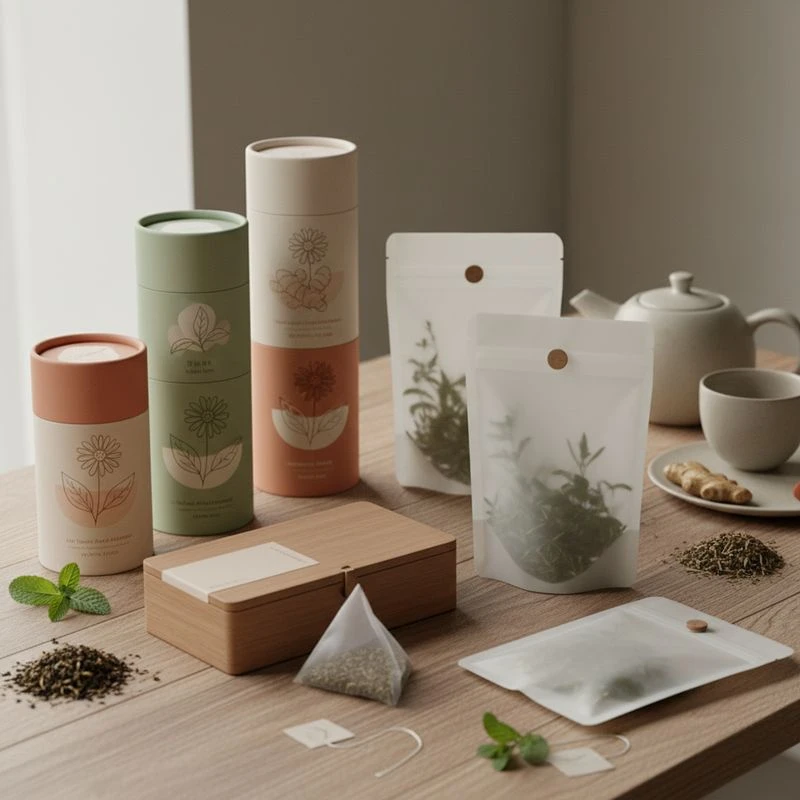
In the vibrant and growing South African market, where consumers are increasingly conscious about health, wellness, and ethical sourcing, the first impression of your tea or herbal product is paramount. Custom packaging for tea and herbal brands isn’t merely a protective layer; it’s a silent salesperson, a brand ambassador, and a promise of quality and experience. For brands looking to stand out on crowded shelves, strategic packaging is the key differentiator, signalling premium quality, preserving product integrity, and communicating your unique brand story effectively to a discerning local audience. Investing in tailored packaging solutions ensures your product not only reaches the consumer in perfect condition but also captures their imagination, fostering loyalty and driving repeat purchases in a highly competitive landscape.
Tea Packaging
Effective tea packaging goes far beyond just holding the leaves; it’s about preserving the delicate aromatics, protecting against environmental degradation, and creating an irresistible visual appeal that speaks directly to the South African consumer. The immediate takeaway for any tea or herbal brand operating in this market is that generic, off-the-shelf packaging is a missed opportunity to connect and differentiate. Your packaging is the tangible extension of your brand’s promise, and its design and material choices significantly influence consumer perception of quality and authenticity. Consider the journey your tea takes from farm to cup, often involving varying climates and handling; robust and well-designed packaging is the guardian of that journey.
The reasoning behind investing in superior custom packaging is multifaceted. Firstly, tea, especially herbal infusions, is highly susceptible to moisture, light, and oxygen, which can quickly degrade its flavour, aroma, and beneficial properties. High-barrier materials are non-negotiable for preserving freshness, ensuring that when a consumer opens your product, they experience it exactly as intended. Secondly, in a market where consumers are becoming more environmentally aware, sustainable packaging options resonate deeply. Brands that opt for recyclable, compostable, or sustainably sourced materials often gain a significant advantage in terms of consumer trust and brand image. Finally, customisation allows for cultural relevance and storytelling, which is crucial in a diverse market like South Africa. Integrating local motifs, colours, or languages can foster a stronger connection with your target demographic, making your brand feel more authentic and approachable.
To take actionable steps towards improving your tea packaging, begin by understanding your product’s specific needs. For instance, a delicate rooibos tea requires different barrier properties than a robust black tea blend. Conduct shelf-life testing with various packaging prototypes to identify the optimal material composition for maintaining freshness. Work closely with a packaging designer who understands both the technical aspects of food-grade packaging and the nuances of the South African consumer aesthetic. Provide them with a detailed brief outlining your brand values, target audience demographics, and any specific sustainability goals. Consider incorporating features like resealable zips or easy-pour spouts for consumer convenience, which are small details that significantly enhance the user experience and encourage repeat purchases.
A common pitfall is underestimating the cost and lead time associated with custom packaging. Brands often wait until the last minute, leading to rushed decisions and compromising on quality or design. The solution is proactive planning and budgeting. Engage with packaging suppliers early in your product development cycle to understand the full scope of options and timelines. Another pitfall is prioritising aesthetics over functionality, resulting in beautiful packaging that fails to protect the product. To counteract this, always ensure material specifications meet the necessary barrier requirements for your tea or herb. For example, a multi-layer laminate might look less ‘natural’ than a single-layer paper pouch, but it could be essential for preserving your product’s delicate aromas over time. Balancing visual appeal with protective capabilities is key to long-term success in the South African tea market.
| Packaging Material Type | Typical Barrier Properties | Pros for Tea & Herbal Brands | Cons for Tea & Herbal Brands |
|---|---|---|---|
| Laminated Films (e.g., PET/AL/PE) | Excellent against O2, moisture, light | Superior freshness, extended shelf life, vibrant print quality, highly durable. Essential for premium custom packaging for tea and herbal brands. | Often not recyclable (multi-layer), higher cost, potentially less ‘natural’ feel. |
| Kraft Paper Pouches (with liner) | Good against light, moderate O2/moisture (liner-dependent) | Natural aesthetic, perceived sustainability, cost-effective for smaller runs, good for branding. | Liner choice critical for barrier; can be less durable than films, not ideal for highly sensitive products. |
| Tin Cans / Metal Tins | Excellent against O2, moisture, light | Premium perception, highly reusable, durable, strong brand presence, excellent for gifting. | Higher initial cost, heavier for shipping, limited design flexibility compared to printing on film. |
This table illustrates the common types of custom packaging materials available for tea and herbal brands, highlighting their primary barrier properties, advantages, and disadvantages. Understanding these differences is crucial for selecting the right material that aligns with your product’s preservation needs, brand image, and target market expectations. For example, while laminated films offer superior protection, kraft paper pouches might be preferred for their eco-friendly appeal, provided the inner liner offers sufficient barrier. This foundational knowledge empowers brands to make informed decisions about their custom packaging for tea and herbal brands.
Pouches
Pouches have emerged as a dominant and incredibly versatile custom packaging solution for tea and herbal brands in the South African market, offering a compelling blend of functionality, aesthetics, and cost-efficiency. The clear takeaway is that pouches provide an adaptable format that caters to various product quantities, price points, and brand aesthetics, making them a go-to choice for both emerging and established brands. Their lightweight nature and efficient use of space translate directly into reduced shipping costs and improved shelf appeal, making them particularly attractive for local distribution channels and even for export.
The reasoning behind their popularity stems from several key benefits. Structurally, stand-up pouches, with their flat bottoms, offer excellent shelf presence, allowing brands to maximise their visual impact in retail environments without needing additional support. They are incredibly efficient in terms of material usage compared to rigid containers, leading to lower material costs and a reduced environmental footprint. From a consumer perspective, pouches are convenient – often featuring resealable zippers to maintain freshness, tear notches for easy opening, and being less prone to breakage than glass or ceramic. Furthermore, the large printable surface area on pouches provides ample space for elaborate branding, detailed product information, and captivating storytelling, which is vital for engaging the South African consumer who appreciates authenticity and a strong brand narrative.
To integrate pouches effectively into your custom packaging strategy, begin by assessing your product’s volume and desired shelf life. This will guide your choice between stand-up pouches, flat pouches, or even gusseted bags, each suited for different capacities and display preferences. Work with your packaging supplier to select the appropriate film structure – usually a multi-layer laminate – that provides the necessary barrier properties against oxygen, moisture, and UV light for your specific tea or herb. Consider value-added features such as matte or gloss finishes, spot UV, or even tactile textures that can elevate the perceived premium nature of your product. For brands aiming for sustainability, explore options like mono-material pouches, which are easier to recycle, or pouches made from post-consumer recycled (PCR) content, ensuring you communicate these eco-credentials clearly on the packaging itself.
A significant pitfall with pouches can be a compromise on sealing integrity, especially if using a supplier unfamiliar with the specific requirements of food-grade packaging. A weak seal can lead to product degradation, spoilage, and a damaged brand reputation. The solution involves rigorous testing of seal strength and partnering with reputable B2B printing and packaging manufacturers who specialise in custom pouches for tea and herbal brands. Another common issue is underestimating the impact of pouch dimensions and structure on fillability and shelf stability. An ill-conceived pouch design might lead to difficulty in packaging the product efficiently or result in pouches that sag or fall over on the shelf. To mitigate this, request physical prototypes and conduct filling trials with your actual product to ensure optimal functionality before committing to a large production run. Always ensure the pouch material is robust enough to prevent punctures or tears during transit and handling, safeguarding your product’s journey to the consumer’s pantry.
| Pouch Feature | Benefit for Tea & Herbal Brands | Considerations for South African Market |
|---|---|---|
| Resealable Zipper | Maintains freshness after opening, prevents spillage, extends product life. | High consumer demand for convenience; vital for products consumed over time. |
| Tear Notch | Easy, clean opening without needing scissors, enhancing user experience. | Expected standard for modern packaging; adds to perception of quality. |
| Stand-Up Bottom Gusset | Excellent shelf stability and visibility, impactful retail display. | Crucial for crowded retail shelves; maximises brand presence and impulse buys. |
| Multi-Layer Barrier Film | Superior protection against O2, moisture, UV light; preserves aroma & flavour. | Essential given varied climate conditions to ensure product integrity. |
This table highlights essential features of pouches and their direct benefits for tea and herbal brands, alongside specific considerations for the South African market. Each feature contributes significantly to both product preservation and consumer convenience, which are critical drivers of purchase decisions. For brands investing in custom packaging for tea and herbal brands, understanding these elements allows for the creation of a pouch that is not just aesthetically pleasing but also highly functional and market-appropriate.
B2B Printing
The success of custom packaging for tea and herbal brands hinges significantly on the quality and strategic execution of B2B printing. The overarching takeaway here is that selecting the right printing partner is as crucial as the design itself; their expertise in materials, colour accuracy, and food-safe inks directly translates into your product’s market readiness and brand reputation. High-quality printing ensures that your intricate designs, vibrant colours, and crucial product information are accurately represented, making your packaging visually compelling and trustworthy to the South African consumer.
The reasoning for this emphasis on professional B2B printing is deeply rooted in market dynamics and consumer psychology. In a highly visual retail environment, print quality is a direct indicator of product quality. Faded colours, misaligned graphics, or pixelated images immediately convey a message of lower quality, irrespective of the actual product inside. For tea and herbal brands, where natural goodness and purity are often key selling points, any compromise on print clarity can undermine these messages. Professional printers possess the technology and expertise to achieve precise colour matching (often using Pantone Matching System, PMS), ensuring brand consistency across different packaging formats and batches. They also understand the nuances of printing on various substrates, from flexible films for pouches to rigid cardstock for boxes, guaranteeing optimal results that stand up to handling and shelf display. Furthermore, adherence to food safety regulations regarding inks and finishes is non-negotiable, and reputable B2B printers are well-versed in these critical standards, protecting both your brand and your consumers.
To ensure you secure optimal B2B printing for your custom packaging, begin by compiling a comprehensive design brief that includes all colour codes (CMYK and PMS), desired finishes (matte, gloss, spot UV), and detailed specifications for text and imagery. When selecting a printing partner, ask for samples of their previous work, particularly for similar food products, to assess their quality and consistency. Request a physical proof or a high-quality digital mock-up before committing to a full production run. This allows you to check for colour accuracy, text legibility, and overall design integrity. Establish clear communication channels with your printer, ensuring they understand your timelines and quality expectations. For brands in South Africa, consider local printers who have a good understanding of the market’s aesthetic preferences and logistical demands, potentially offering quicker turnaround times and more accessible customer service.
A common pitfall in B2B printing is miscommunication regarding colour profiles, leading to off-brand colours that can be costly to rectify. To avoid this, always provide precise PMS codes and, if possible, a physical sample of your brand colours. Another challenge is underestimating the minimum order quantities (MOQs) for certain printing techniques or materials, which can be prohibitive for smaller brands. The solution here is to explore digital printing options, which typically offer lower MOQs and greater flexibility for customised runs, though they may have a slightly higher per-unit cost than large-scale flexographic printing. Ensure your printer has robust quality control processes in place, including regular checks for registration, colour consistency, and potential defects. By establishing a strong partnership and maintaining open lines of communication, you can mitigate these risks and ensure your custom packaging for tea and herbal brands consistently meets the highest visual standards, effectively conveying your brand’s commitment to excellence.
| Printing Method | Ideal for Custom Packaging for Tea & Herbal Brands | Pros | Cons |
|---|---|---|---|
| Digital Printing | Smaller brands, new product launches, seasonal editions. | Low MOQs, quick turnaround, variable data printing, cost-effective for short runs. | Higher per-unit cost for large volumes, slight colour variation possible, limited special finishes. |
| Flexographic Printing | Large established brands, high volume production, consistent designs. | Lower per-unit cost for high volumes, excellent for solids and spot colours, versatile on substrates. | High MOQs, longer setup times, higher initial plate costs, less flexible for design changes. |
| Rotogravure Printing | Ultra-high volume premium brands, intricate designs, extended shelf life products. | Exceptional print quality, high consistency, very durable prints, ideal for complex graphics. | Very high MOQs, highest initial cylinder costs, long lead times. |
This table provides a comparative overview of different B2B printing methods suitable for custom packaging for tea and herbal brands. Each method offers distinct advantages and disadvantages in terms of volume, cost, and print quality. Choosing the right printing technology based on your specific brand needs and production scale is crucial for optimising both your budget and your packaging’s visual impact, ensuring your tea and herbal products stand out effectively in the South African market.
Scent Protection
For tea and herbal brands, scent protection is not just a packaging feature; it’s a fundamental promise to the consumer, directly impacting the perceived quality and efficacy of the product. The immediate takeaway is that without adequate scent protection, the delicate aromas and beneficial compounds of your teas and herbs will degrade, leading to a diminished customer experience and ultimately, a loss of brand credibility. In a market where consumers seek authentic flavour and therapeutic properties from natural products, preserving the inherent scent and freshness of your custom packaging for tea and herbal brands is paramount.
The reasoning behind this critical focus lies in the very nature of tea and herbs. They are hygroscopic, meaning they absorb moisture, and are highly sensitive to oxidation, light, and external odours. Oxygen exposure, in particular, can cause the volatile oils responsible for a tea’s aroma to dissipate, leading to a stale, flat product. Moisture can lead to mould growth or a loss of crispness, while light can break down beneficial compounds. Effective scent protection involves creating an impenetrable barrier that seals in the product’s natural fragrance while simultaneously blocking out environmental aggressors and undesirable external odours. This barrier function extends the shelf life, ensures consistent product quality from the first brew to the last, and reinforces the premium value of your offering. For unique South African herbal blends like rooibos or buchu, maintaining their distinct profiles through superior custom packaging is essential for consumer satisfaction.
To implement robust scent protection in your custom packaging, start by specifying high-barrier materials in your discussions with packaging suppliers. This typically means multi-layer laminates that include layers of aluminium foil, metallised films, or high-density polyethylene (HDPE). Aluminium foil, for instance, offers an almost complete barrier against oxygen, moisture, and light, making it ideal for highly aromatic or sensitive products. Beyond material selection, the integrity of the seal is paramount. Ensure your pouches or containers feature strong, hermetic seals that prevent any air exchange. Consider incorporating features like high-quality resealable zippers or vacuum-sealable options for products that are consumed over an extended period. For extremely sensitive herbs, oxygen scavengers (small sachets placed inside the packaging) can be an additional layer of protection, absorbing any residual oxygen after sealing. Always conduct accelerated shelf-life testing with your packaged product to empirically verify the effectiveness of your chosen scent protection strategy under various environmental conditions.
A significant pitfall is relying on single-layer packaging materials like standard paper or thin plastics that offer insufficient barrier properties, leading to rapid degradation of scent and flavour. This often results from an attempt to cut costs, but the long-term damage to brand reputation from stale products far outweighs any initial savings. The solution is to invest in appropriate multi-layer barrier films, even if they incur a slightly higher per-unit cost, understanding that this investment directly translates to product quality and customer satisfaction. Another pitfall can be using packaging that, while protective, imparts its own odour to the product. To avoid this, ensure all packaging materials and inks are food-grade and tested for odour neutrality. Always request samples of the raw packaging materials and conduct a “sniff test” before committing to large orders, especially for very delicate teas. By meticulously addressing these aspects of custom packaging for tea and herbal brands, you ensure that every package delivers the rich, untainted aroma and flavour your consumers expect and deserve.
Brand Appeal
Brand appeal is the emotional connection your custom packaging for tea and herbal brands forges with the consumer, and in the bustling South African market, it is the ultimate determinant of a product’s success. The fundamental takeaway is that exceptional packaging design elevates your brand beyond mere product, transforming it into an experience, a statement, and a lifestyle choice that resonates deeply with your target audience. Your packaging is often the first, and sometimes only, chance you get to communicate your brand’s unique story and values, making it an indispensable tool for carving out a distinct identity in a competitive landscape.
The reasoning behind prioritising brand appeal is rooted in consumer psychology and market dynamics. South African consumers, like those globally, are increasingly making purchasing decisions based on emotional resonance and perceived value, not just functionality. A beautifully designed package suggests a premium product inside, justifying a higher price point and fostering a sense of trust and aspiration. Effective brand appeal through custom packaging taps into cultural nuances, local aesthetics, and emerging trends, making your product feel relevant and aspirational. It communicates your brand story—whether it’s about heritage, sustainability, health benefits, or exotic origins—without needing a salesperson. Colours, typography, imagery, and structural design elements all work in concert to evoke specific feelings and associations, helping your tea or herbal blend stand out against a backdrop of generic alternatives. For a new brand, strong appeal can catalyse initial trials, while for an established brand, it can reinforce loyalty and command market presence.
To cultivate powerful brand appeal through your custom packaging, begin with a comprehensive brand identity workshop. Define your brand’s personality, core values, target demographic, and the unique story you wish to tell. Translate these insights into a detailed design brief for a professional packaging designer who has experience in the food and beverage sector and understands the South African market. Consider the psychology of colour – earthy tones for natural products, vibrant colours for energetic blends, or minimalist designs for luxury. Choose typography that reflects your brand’s tone, whether elegant, rustic, or modern. Incorporate visual elements that celebrate your product’s origin or unique benefits, perhaps featuring local botanicals or traditional art forms that resonate culturally. Don’t shy away from unique structural designs, innovative closures, or tactile finishes that offer a sensory experience beyond just sight. For instance, a matte finish can convey sophistication, while embossed textures can add a premium feel that consumers will literally feel in their hands, creating a memorable unboxing experience.
A significant pitfall is creating packaging that is generic or indistinguishable from competitors, leading to your product getting lost on the shelf. This often happens when brands opt for cost-cutting over design investment. The solution is to view packaging design as a critical marketing investment, not just an expense. Conduct competitor analysis to identify gaps and opportunities for differentiation, ensuring your design truly stands out. Another common pitfall is inconsistency in branding across different product lines or marketing materials, which dilutes brand recognition and confuses consumers. To avoid this, develop clear brand guidelines for all visual elements and ensure they are strictly adhered to by your design and printing partners. Regularly review your custom packaging for tea and herbal brands to ensure it remains fresh, relevant, and effectively communicates your evolving brand message. By investing thoughtfully in design and consistently maintaining brand integrity, you can create packaging that not only protects your product but also captivates your audience and drives lasting brand loyalty in the dynamic South African market.
