
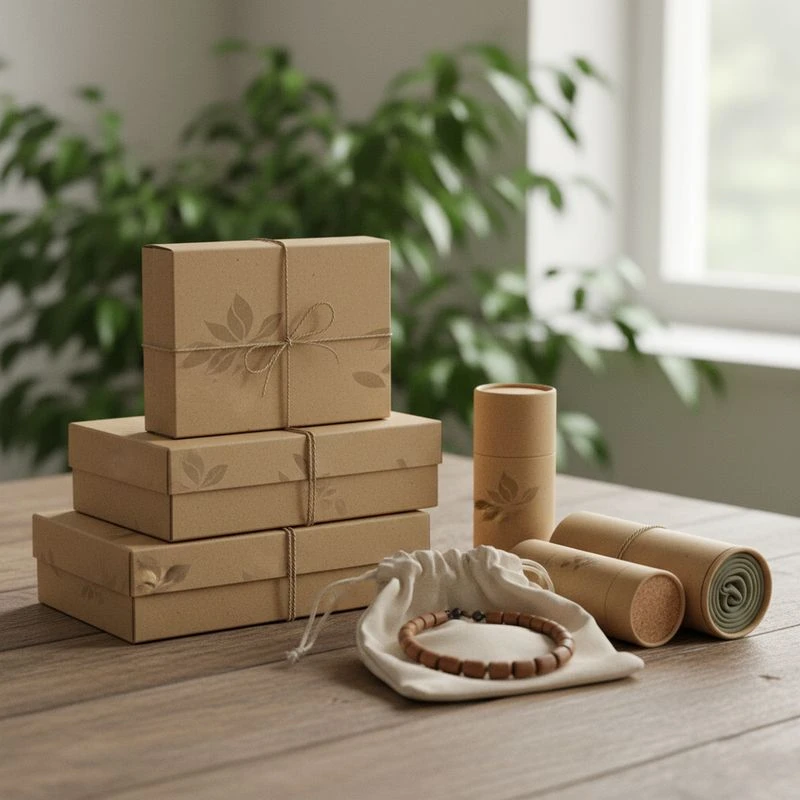
Beyond the Accessory: Crafting an Eco-Conscious Brand Experience in SA
In the vibrant and rapidly evolving South African fashion market, standing out requires more than just exceptional products. It demands a holistic brand experience that resonates with today’s discerning consumer. For fashion accessory brands, this journey often begins and ends with custom packaging. Far from being a mere protective layer, the right packaging acts as a silent ambassador for your brand, telling a story of quality, care, and increasingly, sustainability. The key takeaway for any forward-thinking brand in South Africa is that investing in custom, sustainable packaging for fashion accessories isn’t just an expense; it’s a strategic investment that enhances brand value, protects your products, and appeals directly to the growing segment of eco-conscious buyers. By leading with thoughtful design and material choices, businesses can transform a simple accessory into a memorable, responsible purchase. This approach not only safeguards your unique creations from Johannesburg to Cape Town but also positions your brand as a leader in ethical practices, a crucial differentiator in a competitive landscape. Understanding the intricacies of material selection, design aesthetics, and the practicalities of B2B distribution and printing is paramount to unlocking this potential, ensuring your brand makes a lasting, positive impression that extends far beyond the point of sale.
Fashion Accessories Packaging
The world of fashion accessories is incredibly diverse, encompassing everything from delicate jewellery and intricate scarves to stylish handbags and bespoke hats. Each category presents its own unique challenges and opportunities when it comes to custom packaging, especially within the context of the South African market. Generic, off-the-shelf packaging solutions, while seemingly cost-effective initially, often fail to adequately protect these varied items and, more importantly, dilute the very essence of a brand’s identity. Imagine a handcrafted leather belt, a product of meticulous artistry, arriving in a flimsy plastic bag – the perceived value instantly diminishes. Custom packaging, however, allows brands to create an unboxing experience that elevates the product, reinforcing its quality and the brand’s attention to detail. For delicate items like necklaces or earrings, packaging must offer robust protection against tangling, breakage, and tarnishing. This might involve custom inserts made from recycled paperboard, soft fabric pouches crafted from organic cotton, or bespoke boxes that cradle each piece securely. For larger accessories like scarves or hats, the packaging needs to provide ample space without being overly bulky, protecting against creasing and crushing while still being elegant and easy to handle. Furthermore, the South African consumer is increasingly aware of global sustainability trends, expecting brands to reflect these values. Therefore, integrating sustainable materials and practices into the packaging design for fashion accessories isn’t just a trend; it’s a fundamental expectation that drives purchasing decisions. Brands that overlook this crucial element risk alienating a significant portion of their target market, missing an opportunity to connect on a deeper, value-driven level. The “why” behind custom, sustainable packaging for fashion accessories is multifaceted: it protects your investment, elevates your brand narrative, and meets evolving consumer demands for ethical commerce, ensuring your accessories make a statement from the moment they are received. The journey of an accessory from designer to customer is long and complex, requiring packaging that is not only visually appealing but also resilient enough to withstand diverse logistical challenges, from local couriers to international shipping, all while minimizing environmental impact.
Recyclable
Embracing recyclable materials for custom packaging for sustainable fashion accessories in the South African market is no longer a niche consideration; it’s a fundamental pillar of responsible business. The benefits extend far beyond environmental stewardship, resonating deeply with consumers who prioritize eco-conscious purchasing decisions. Selecting the right recyclable materials is crucial, and the options are diverse and continuously evolving. Recycled paperboard, often derived from post-consumer waste, is a prime candidate for boxes, hang tags, and inserts. Its versatility allows for various thicknesses and finishes, making it suitable for everything from luxury jewellery boxes to sturdy hat packaging. Kraft paper, known for its natural, rustic aesthetic, is another excellent choice, being both biodegradable and easily recyclable, perfect for brands wanting to convey an organic or handmade feel. For smaller accessories or those requiring a softer touch, organic cotton or linen pouches offer a reusable and recyclable alternative to synthetic materials, adding a tactile luxury that speaks volumes about a brand’s commitment to quality and sustainability. While bioplastics are emerging, brands must exercise caution and ensure these materials are genuinely recyclable within South Africa’s existing infrastructure to avoid accidental greenwashing. The core benefit of using these materials is a significant reduction in landfill waste, mitigating the environmental footprint of your products. Moreover, it strengthens your brand’s reputation as a responsible entity, fostering trust and loyalty among an increasingly informed consumer base. The pathway to choosing the right recyclable material involves a careful evaluation of the product’s needs, the desired brand aesthetic, and, critically, the local recycling capabilities. A potential pitfall here is investing in materials that, while technically recyclable in some regions, lack the necessary infrastructure for processing in South Africa. To circumvent this, it’s imperative to partner with local packaging suppliers who possess a deep understanding of the national recycling landscape and can verify the true recyclability of proposed materials. Actionable steps include requesting certifications for recycled content, asking for clear end-of-life instructions to print on packaging (e.g., “Recycle with paper”), and exploring closed-loop systems with your suppliers. By diligently pursuing genuinely recyclable solutions, South African fashion accessory brands can make a tangible positive impact, aligning their operations with global sustainability goals while meeting local consumer expectations.
| Material Type | Key Characteristics | Typical Application (Fashion Accessories) | Recyclability in SA | Pros for Custom Packaging | Cons/Considerations |
|---|---|---|---|---|---|
| Recycled Paperboard (e.g., Kraft, Greyboard) | Sturdy, versatile, customisable. Made from post-consumer waste. | Boxes for jewellery, scarves, belts; hang tags, inserts. | High (widely accepted in paper recycling streams). | Excellent printability, structural integrity, strong eco-message. | Can be sensitive to moisture without coating; may require laminates (check recyclability of laminate). |
| Organic Cotton/Linen Fabric | Soft, breathable, natural texture, often reusable. | Pouches for jewellery, small accessories; dust bags for handbags. | Good (can be repurposed, textile recycling where available). | Adds luxury feel, reusable value for customer, biodegradable. | Higher cost than paper, less structural protection, limited print options. |
| Corrugated Cardboard (Recycled) | Very strong, lightweight, good for larger/fragile items. | Shipping boxes, larger accessory boxes (e.g., hats). | High (widely accepted in paper/cardboard recycling streams). | Superior protection, cost-effective for bulk, good for branding. | Bulkier appearance, less “luxury” feel than fine paperboard for primary packaging. |
This table provides a concise overview of common recyclable materials suitable for custom packaging for sustainable fashion accessories, outlining their properties, applications, and how well they integrate with South Africa’s recycling infrastructure. It helps brands make informed decisions by weighing the benefits against potential considerations for each material type. Understanding these specifics is critical to ensuring your sustainable claims are authentic and achievable within the local context.
B2B Design
When designing custom packaging for sustainable fashion accessories, it’s crucial to consider the Business-to-Business (B2B) aspect, especially for brands aiming for wider distribution within the South African market. Packaging isn’t solely about the end-consumer experience; it also needs to function effectively throughout the supply chain, communicating professionalism and brand values to retailers, distributors, and logistics partners. Firstly, packaging must be designed for efficient logistics. This means considering how products will be packed in bulk, stacked for shipping, and stored in warehouses. For instance, creating packaging that nests or stacks easily can significantly reduce shipping volumes and costs, a tangible saving for both your brand and your B2B partners. This might involve standardizing box dimensions or using modular designs that fit together seamlessly. Protection during transit is paramount. A beautifully designed accessory arriving damaged due to inadequate B2B packaging is a significant cost and reputation risk. Robust outer packaging, appropriate internal cushioning (preferably also sustainable and recyclable), and clear handling instructions are essential. Retailers appreciate packaging that makes their job easier. This includes clear product identification on the outside of boxes, barcodes for inventory management, and designs that are easy to open, unpack, and display. Packaging that doubles as an effective point-of-sale display, or that provides all necessary product information for staff, adds immense value from a B2B perspective. Scalability is another key consideration. As your brand grows, your packaging needs will evolve. Working with a supplier who can handle varying minimum order quantities (MOQs) and scale up production seamlessly is vital. This proactive approach prevents costly redesigns or sourcing challenges down the line. A common pitfall for fashion accessory brands is designing exquisite consumer packaging without adequately considering its B2B journey, leading to damaged goods, logistical headaches, and strained relationships with distributors. To avoid this, actionable steps include consulting with your logistics partners and retailers early in the design process to understand their specific requirements. Test your packaging rigorously: conduct drop tests, compression tests, and transit simulations to ensure it can withstand the rigours of the South African supply chain. Develop a comprehensive packaging brief for your supplier that clearly outlines both consumer-facing and B2B requirements, including material specifications, dimensions, weight limits, and stacking capabilities. By meticulously addressing these B2B design elements, custom packaging for sustainable fashion accessories not only protects your products but also builds strong, reliable partnerships crucial for market growth.
Brand Aesthetic
The brand aesthetic embodied in custom packaging for sustainable fashion accessories is arguably as important as the accessory itself, especially in a market as visually driven as South Africa. Packaging serves as a tangible extension of your brand’s identity, allowing you to tell a compelling story, evoke emotions, and create an unforgettable unboxing experience that reinforces your unique value proposition. Every element, from the choice of material to the typography and colour palette, contributes to this aesthetic. Consider a brand specializing in delicate, handmade silver jewellery: their custom packaging might utilize natural, unbleached recycled paperboard with subtle debossed logos and a soft, organic cotton pouch. This minimalist, earthy approach communicates authenticity, craftsmanship, and a gentle respect for the environment, perfectly aligning with the product’s character. In contrast, a vibrant, contemporary scarf brand might opt for bold, digitally printed patterns on a FSC-certified paper box, using a vivid colour scheme that mirrors the vibrancy of their designs, conveying energy, modernity, and artistic flair. The goal is to ensure a seamless visual and tactile connection between the accessory and its packaging. The unboxing experience is a critical touchpoint. It’s an opportunity to engage the customer, build anticipation, and solidify their connection with your brand. Think about the sequence of opening: what does the customer see first? How does it feel? Is there a personalised note or a beautifully presented product? These details transform a simple transaction into a memorable ritual. Creating a strong brand aesthetic requires a cohesive approach. Begin with mood boarding, gathering inspiration from your product line, target audience, and brand values. Work closely with a professional designer who understands both fashion and sustainable packaging principles. They can translate your vision into practical designs that are visually stunning and align with your sustainability goals. One potential pitfall is inconsistency – having beautiful accessories but packaging that feels cheap or disconnected from your brand’s overall image. Another is overlooking the tactile experience, which is particularly vital for luxury or handcrafted items. The solution lies in holistic design thinking: considering not just how the packaging looks, but also how it feels, how it opens, and what message it conveys at every step. Material selection plays a massive role here, with natural textures or matte finishes often communicating sustainability and authenticity, while glossy or metallic accents might lean towards luxury or modernity. By meticulously crafting the brand aesthetic of your custom packaging, South African fashion accessory brands can elevate their products, deepen customer loyalty, and leave a lasting impression that transcends mere commerce, embodying their essence in every detail.
| Aesthetic Element | Description & Purpose | Impact on Custom Packaging for Sustainable Fashion Accessories | Practical Example (SA Brand) |
|---|---|---|---|
| Colour Palette | Hues and shades reflecting brand identity, mood, and product line. Evokes emotion. | Sustainable inks (soy/vegetable-based) for vibrant or earthy tones. Affects perceived luxury or natural feel. | A jewellery brand using muted greens/browns on Kraft paper for an organic, artisanal feel. |
| Typography & Logo | Font styles and brand mark. Conveys brand personality (e.g., elegant, bold, playful). | Clarity and prominence on recyclable materials. Debossing/embossing for a premium, tactile effect without extra ink. | A scarf brand with a sleek, minimalist logo printed crisply on recycled paperboard. |
| Material Texture | The physical feel of the packaging material. Adds depth and sensory experience. | Natural textures (e.g., uncoated paperboard, organic cotton) reinforce sustainability and craftsmanship. | A leather goods brand using uncoated, recycled cardstock with a slightly rough, authentic feel. |
| Structural Design | The shape, opening mechanism, and internal compartments of the packaging. | Innovative designs minimize material use, enhance unboxing, and protect product. Reusable elements (e.g., magnetic closure boxes). | A bespoke hat box designed to protect its contents while being aesthetically pleasing and reusable. |
This table illustrates how different aesthetic elements contribute to the overall impact of custom packaging for sustainable fashion accessories, offering specific examples relevant to the South African market. By thoughtfully integrating these elements, brands can create a cohesive and memorable unboxing experience that strengthens their identity and resonates with their target audience. This strategic design approach ensures that every aspect of the packaging tells a consistent and compelling brand story.
Printing
The printing process is a critical stage in bringing custom packaging for sustainable fashion accessories to life, transforming design concepts into tangible brand assets. In the South African market, understanding the nuances of printing techniques and eco-friendly options is vital for achieving both stunning aesthetics and genuine sustainability. There are primarily two broad categories of printing to consider: digital and offset. Digital printing is often ideal for smaller print runs, offering flexibility, faster turnaround times, and the ability to customise individual pieces (e.g., personalised notes). It excels for fashion accessory brands that have seasonal collections, require frequent design updates, or operate with lower MOQs. Offset printing, on the other hand, is more suited for larger volumes, providing superior colour consistency and cost-efficiency at scale. While it has higher setup costs, the per-unit cost drops significantly for bulk orders. The choice between these depends heavily on your brand’s production volume and budget. Beyond the technique, the type of ink used is paramount for sustainable packaging. Traditional petroleum-based inks can hinder recyclability and release harmful volatile organic compounds (VOCs). Eco-friendly alternatives like soy-based or vegetable-based inks are widely available and perform exceptionally well on a range of sustainable materials. These inks are biodegradable, produce brighter colours, and are easier to de-ink during the recycling process, making your packaging genuinely recyclable. Special finishes, such as debossing, embossing, or spot UV, can add a luxurious tactile or visual dimension. When opting for these, it’s essential to verify their impact on recyclability. Debossing and embossing, which alter the paper’s texture without adding materials, are generally sustainable. Spot UV, however, involves a plastic-based coating, and while some modern formulations are more eco-friendly, it can complicate the recycling process if not properly managed or specified with the packaging supplier. A common pitfall for brands is overlooking the importance of colour consistency across different batches or materials, leading to a fragmented brand identity. To mitigate this, actionable steps include providing print-ready files in the correct colour profiles (CMYK for print, though Pantone is used for specific brand colours), requesting physical proofs before large-scale production, and clearly communicating your sustainability requirements to your printer. Work with local South African printers who specialize in sustainable practices and can advise on the best eco-friendly inks and finishes that won’t compromise the recyclability of your custom packaging for sustainable fashion accessories. By meticulously managing the printing process, brands can ensure their packaging is not only visually striking but also aligns perfectly with their commitment to environmental responsibility, reinforcing their ethical stance in the competitive South African fashion landscape.
