
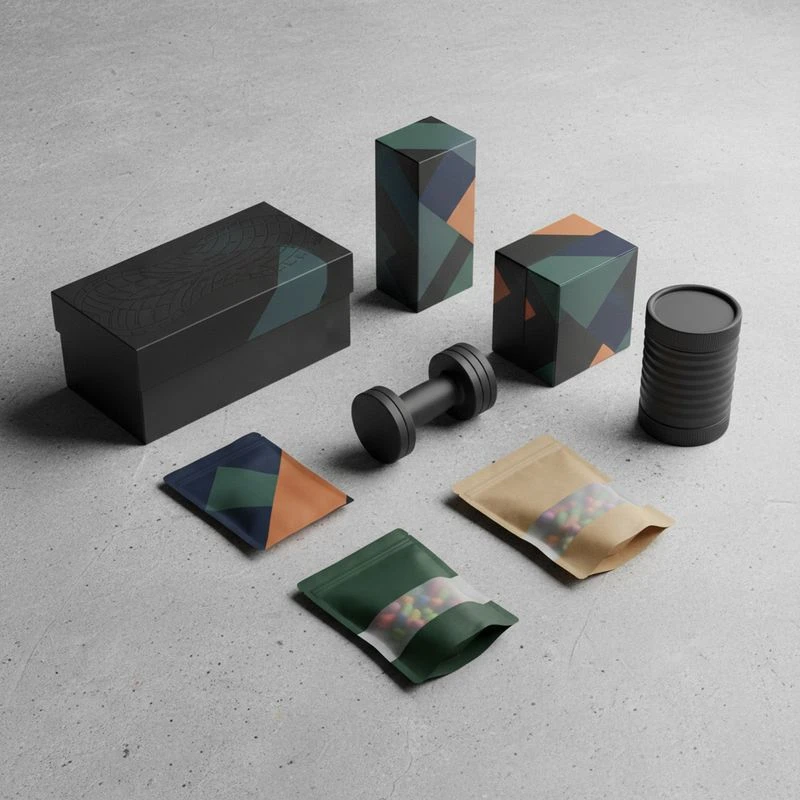
Crafting Unforgettable Experiences for the Dynamic South African Market
Sports Packaging
In the vibrant and ever-growing South African sports and fitness market, where consumers are increasingly health-conscious and brand-aware, generic packaging simply doesn’t cut it anymore. Your packaging is often the first, and sometimes only, chance you get to make a lasting impression on a potential customer. It’s not just a protective layer; it’s a powerful marketing tool, a silent salesperson, and a direct extension of your brand identity. For sports and fitness products – be it protein supplements, activewear, recovery aids, or sporting equipment – effective custom packaging needs to communicate trust, quality, and the lifestyle your brand embodies. In a competitive landscape, standing out requires more than just a good product; it demands an exceptional unboxing experience that resonates with local South African values and aspirations.
The journey from shelf to gym bag, or from online cart to front door, presents numerous opportunities for your custom packaging to reinforce your brand message. Consider the burgeoning athleisure market, where packaging for apparel needs to evoke premium comfort and style, or the rapidly expanding supplement industry, where clear dosage, ingredient transparency, and tamper-proof features are paramount. For brands targeting outdoor enthusiasts who tackle South Africa’s diverse terrains, packaging might need to reflect rugged durability and eco-consciousness. The decision to invest in tailor-made packaging is a strategic one, moving beyond mere aesthetics to encompass functionality, logistics, and most importantly, consumer connection. It allows you to tell your brand story, highlight your unique selling propositions, and build a community around your products, fostering loyalty that extends far beyond the initial purchase.
Navigating the South African market also means understanding diverse consumer segments and their specific needs. Packaging that speaks to a young, urban fitness enthusiast might differ significantly from that aimed at a seasoned athlete or a family prioritizing wellness. This means considering local languages, cultural symbols, and even logistical realities like transport and storage conditions. A well-designed package for sports products can differentiate you instantly, communicate quality and efficacy, and ultimately drive purchasing decisions. It helps to overcome initial skepticism and builds confidence in your offering. Brands that fail to prioritize thoughtful custom packaging risk blending into the background, losing out to competitors who understand the power of a cohesive brand experience from the moment a consumer sees their product.
Dynamic Design
Dynamic design in custom packaging for sports and fitness brands transcends simple aesthetics; it’s about creating a visual and tactile experience that captivates consumers and communicates your brand’s core values. In the South African context, this means leveraging design elements that not only catch the eye on a busy retail shelf but also resonate with local cultural vibrancy and lifestyle trends. Think about vibrant colour palettes that reflect the energy of the South African landscape or typography that conveys strength, agility, or innovation. The goal is to make your product not just visible, but desirable, instantly communicating what your brand stands for and who it’s for. A successful dynamic design tells a story, making the consumer feel an immediate connection and understanding of the product’s benefits and purpose.
When approaching dynamic design, consider the user journey from the moment they spot your product. Is the packaging easy to open and reseal for ongoing use? Does it clearly display vital information like ingredients, usage instructions, or nutritional facts, which are crucial for health-conscious consumers? For apparel, how does the packaging enhance the unboxing experience, perhaps through innovative folding or eco-friendly inserts that protect the garment while adding a touch of luxury? For supplements, tamper-evident seals and clear expiration dates are not just functional but also build trust. Pitfalls to avoid include overly complex designs that confuse the consumer, designs that don’t scale well across different product sizes, or those that fail to align with the brand’s actual personality. A strong design strategy should involve market research to understand consumer preferences and competitor analyses to identify opportunities for differentiation.
Practical steps for creating dynamic custom packaging designs include collaborating closely with experienced graphic designers and packaging engineers who understand both brand strategy and manufacturing capabilities. Begin by defining your target audience and what truly motivates them. What emotions do you want your packaging to evoke? Consider incorporating local South African patterns, textures, or even indigenous plant motifs if they align with your brand’s ethos, particularly for natural or organic fitness products. The use of high-quality imagery, compelling calls to action, and strategic placement of your logo are also critical. Furthermore, think about how the packaging might be reused or repurposed, adding an element of sustainability and prolonged brand interaction. Dynamic design isn’t just about looking good; it’s about smart design that drives engagement, enhances product utility, and ultimately, boosts sales by creating a memorable and positive brand experience for every South African consumer.
| Design Element | Impact on Consumer Perception | South African Market Considerations |
|---|---|---|
| Colour Palette | Evokes emotion, signals product type (e.g., bright for energy, earthy for natural). | Vibrant colours resonate well; consider cultural symbolism of colours (e.g., green for growth/nature, red for energy/passion). |
| Typography | Communicates brand personality (e.g., bold for strength, sleek for modern). | Readability is key; consider legible fonts across diverse demographics and potential multilingual labels. |
| Imagery/Graphics | Visual storytelling, product benefit illustration. | Authentic imagery of local athletes, landscapes, or cultural motifs can foster strong connection. |
| Texture/Finish | Adds tactile appeal, suggests quality or function (e.g., matte for premium, grip for practical). | Adds a sensory dimension; can differentiate premium products and enhance the unboxing experience. |
| Shape/Structure | Enhances ergonomics, stands out on shelf, protects product effectively. | Unique shapes can command attention; ensure practicality for retail display and consumer handling. |
This table illustrates how specific design elements contribute to the overall impact of custom packaging for sports and fitness brands. Understanding these factors allows brands to make informed decisions that resonate with the South African consumer, creating a distinct identity and enhancing product appeal in a competitive market.
B2B Branding
While the end-user experience is paramount, the journey of your custom packaging within the B2B landscape is equally critical for success in the South African market. B2B branding for sports and fitness products refers to how your packaging serves your relationships with retailers, distributors, and logistics partners. This often overlooked aspect of packaging design plays a significant role in securing shelf space, ensuring efficient stock management, and ultimately reaching your consumers. Your packaging needs to impress not only the individual buyer but also the category manager at a major retail chain or the procurement specialist for a gym franchise looking to stock supplements or equipment. Effective B2B custom packaging for sports and fitness brands communicates professionalism, reliability, and ease of handling, crucial attributes for fostering strong, long-term partnerships.
Consider the practicalities from a retailer’s perspective. How easily can your products be shelved, displayed, and scanned? Is the outer packaging robust enough to withstand transportation across various South African regions, from bustling urban centres to more remote areas? Clear, concise labelling on bulk packaging, including barcodes, product specifications, and handling instructions, minimizes errors and speeds up inventory management. For distributors, optimised pallet configurations and carton strength reduce damage during transit, saving time and money. Poorly designed B2B packaging can lead to damaged goods, logistical nightmares, and a reluctance from partners to stock your products, regardless of the quality of the product inside. It’s a testament to your operational efficiency and commitment to seamless business processes.
To excel in B2B branding through your packaging, adopt a holistic approach. Engage with your supply chain partners early in the design process to understand their specific requirements and challenges. This might involve designing secondary packaging that serves as a ready-to-display unit, minimizing retail staff effort, or ensuring that primary product packaging features clear hooks or stable bases for various display options. Additionally, consider how your packaging reinforces your brand’s commitment to sustainability, which is increasingly important for corporate social responsibility (CSR) initiatives among larger retailers. Providing product information in multiple official South African languages on secondary packaging can also be a valuable asset for broader market reach. Ultimately, investing in B2B-friendly custom packaging for sports and fitness brands is an investment in your network, ensuring your products move efficiently through the supply chain and are presented optimally at the point of sale, enhancing your brand’s reputation and market penetration.
Durability
The inherent need for durability in custom packaging for sports and fitness brands cannot be overstated, especially when operating within the dynamic South African market. Products ranging from heavy gym equipment and weights to sensitive nutritional supplements or even performance fabrics require packaging that can withstand a multitude of environmental stressors and logistical challenges. South Africa’s diverse climate, which can range from humid coastal conditions to arid inland temperatures, combined with varying infrastructure quality for transportation, means that packaging must be engineered for resilience. Protecting the integrity of the product from manufacturer to consumer is not just about preventing physical damage; it’s about maintaining efficacy, hygiene, and ultimately, consumer trust. A product that arrives damaged or compromised due to inadequate packaging reflects poorly on the brand and can lead to significant financial losses through returns and reputation damage.
Durability encompasses several key aspects. Firstly, physical protection: packaging must shield products from impact, compression, vibration, and abrasion during transit and storage. This is particularly crucial for fragile items or products with sensitive components. Secondly, environmental protection: moisture barriers are essential for powders and supplements to prevent clumping or spoilage, while UV protection might be necessary for products sensitive to light exposure, preserving their potency and appearance. Temperature control, where feasible, can also be a critical factor for certain specialised fitness products. Thirdly, tamper-evidence: for ingestible products, robust seals and indicators of tampering are non-negotiable for consumer safety and regulatory compliance. The material choice, structural design, and sealing methods all contribute to the overall durability of the packaging.
To ensure optimal durability for your custom packaging for sports and fitness brands, consider several actionable steps. Conduct thorough drop tests, vibration tests, and environmental simulations that mimic real-world conditions in South Africa. Collaborate with packaging engineers who specialize in materials science and structural design to select the most appropriate materials – perhaps thicker corrugated cardboard for heavier items, multi-layer films for moisture-sensitive products, or durable plastics for liquid containers. For products that require precise temperature control, explore insulated packaging solutions. Furthermore, factor in the entire supply chain journey, from the manufacturing plant to retail shelves and the consumer’s home, identifying potential stress points. Proactive investment in durable packaging is an insurance policy for your products and your brand, preventing costly product recalls, customer dissatisfaction, and ensuring that your sports and fitness offerings arrive in pristine condition, ready to empower South African consumers in their wellness journeys.
Material Innovation
Material innovation stands at the forefront of evolving custom packaging for sports and fitness brands, offering unprecedented opportunities for sustainability, cost-efficiency, and enhanced product presentation in the South African market. Consumers globally, and increasingly in South Africa, are demanding more environmentally responsible packaging solutions. This shift necessitates a move away from traditional, single-use plastics towards materials that are recyclable, biodegradable, compostable, or derived from renewable sources. Brands that embrace these innovations not only meet consumer expectations but also position themselves as leaders in corporate social responsibility, building a stronger, more positive brand image. The challenge lies in balancing sustainability goals with performance requirements, ensuring that innovative materials still provide the necessary protection and functionality for active lifestyle products.
Exploring new materials involves understanding their properties and suitability for specific product categories. For instance, plant-based plastics (PLA, PHA) are gaining traction for supplement containers and individual serving packets, offering biodegradability. Recycled content plastics (rPET, rHDPE) are excellent for bottles and tubs, reducing reliance on virgin plastic while providing robust protection. For apparel, innovative paper-based packaging, often with specialty coatings for moisture resistance, can replace poly bags, offering a premium feel while being fully recyclable. Even for heavier items like weights or equipment, advanced corrugated cardboard designs using recycled fibres can offer surprising strength and protection. However, brands must be wary of “greenwashing” – making unsubstantiated environmental claims. Transparency about material composition and end-of-life instructions (e.g., “please recycle” with local South African recycling symbols) is crucial for building genuine consumer trust.
To effectively leverage material innovation in custom packaging for sports and fitness brands, a strategic approach is essential. Begin by conducting a life cycle assessment of your current packaging to identify areas for improvement. Research local South African recycling infrastructure and availability of innovative materials to ensure your choices are practical and supported. Collaborate with local suppliers and packaging experts who are knowledgeable about sustainable materials and can help navigate regulatory requirements. Pilot new packaging with a segment of your product line to gather feedback and refine designs before a full rollout. Consider the “reduce, reuse, recycle, replace” hierarchy: first, reduce material usage; second, design for reusability; third, ensure recyclability; and finally, replace virgin materials with sustainable alternatives. Investing in material innovation is not just a trend; it’s a future-proof strategy that enhances brand value, attracts conscious consumers, and contributes positively to the environmental landscape of South Africa.
| Material Type | Key Advantages | Best For (Sports & Fitness) | Considerations for South Africa |
|---|---|---|---|
| Recycled PET (rPET) / HDPE (rHDPE) | Reduces plastic waste, strong, good barrier properties. | Bottles (drinks), tubs (supplements), pouches (gels). | Widely recycled infrastructure available for PET/HDPE; cost-effective. |
| Biodegradable Films (PLA, PHA) | Breaks down naturally, made from renewable resources. | Individual serving packets, single-use wraps (protein bars). | Composting facilities may be limited; requires specific industrial composting conditions. |
| FSC-Certified Paper/Cardboard | Renewable, widely recyclable, customisable printing. | Apparel boxes, supplement cartons, equipment boxes. | Good recycling network for paper/board; moisture resistance might require coatings. |
| Bagasse (Sugarcane Pulp) | Compostable, renewable, sturdy alternative to plastic/styrofoam. | Inserts, protective trays, eco-friendly product holders. | Novel material; availability and cost might be higher, but growing interest in sustainable alternatives. |
This table highlights various innovative and sustainable packaging materials suitable for custom packaging for sports and fitness brands in South Africa. Each material offers distinct advantages and caters to different product types, allowing brands to make informed decisions that align with their sustainability goals and market availability. Understanding these options is crucial for developing truly responsible and effective packaging solutions.
