
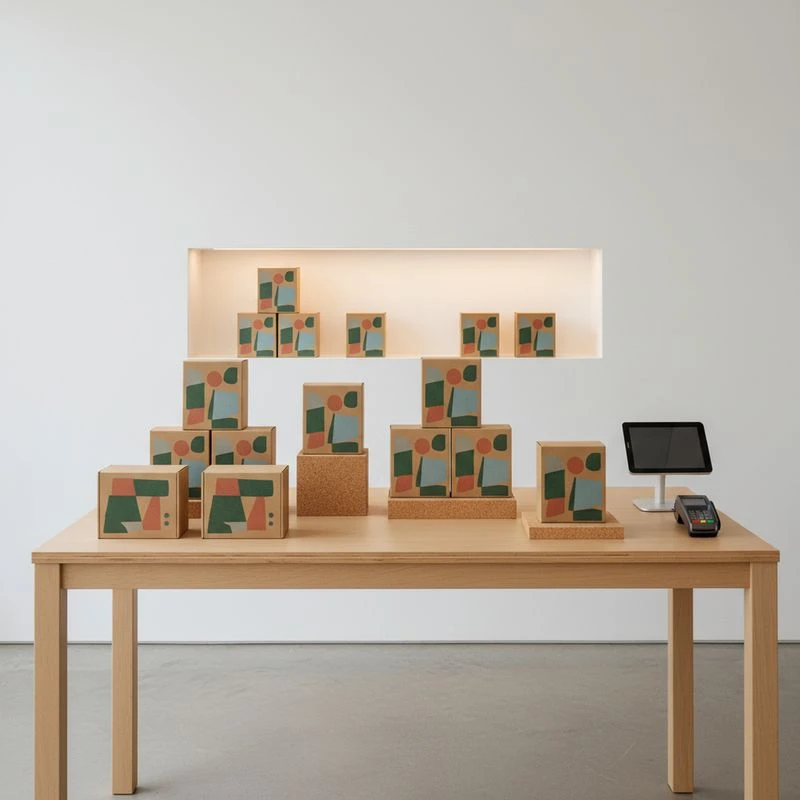
In the vibrant and diverse South African retail landscape, simply having a great product is often not enough to capture consumer attention. Shoppers are constantly bombarded with choices, and the battle for their focus is won or lost in mere seconds on the shelf. This is where Custom Packaging for Retail Display and Point of Sale becomes an indispensable tool, transforming your product from just another item into an irresistible offering. It’s about creating an immediate connection, telling your brand’s story, and ultimately, driving that crucial purchase decision. For businesses operating in South Africa, understanding how to leverage bespoke packaging solutions can be the differentiator that propels them ahead of the competition, fostering brand loyalty and boosting sales figures in measurable ways. The initial investment in tailored packaging is not merely an expense; it is a strategic asset designed to yield significant returns by enhancing visibility, communicating value, and improving the overall shopping experience for the South African consumer.
The South African consumer market is sophisticated and responds well to quality, innovation, and relevance. Generic, off-the-shelf packaging solutions often fail to convey the unique essence of a brand or product, leading to missed opportunities for engagement. By opting for custom display and POS packaging, brands can ensure their products stand out, resonate with local cultural nuances, and effectively communicate their value proposition directly at the point of purchase. This proactive approach ensures that your brand’s personality is evident, creating a memorable experience that encourages not only initial sales but also repeat business. Moreover, in an increasingly conscious market, custom packaging offers an opportunity to highlight sustainability efforts, local sourcing, or community involvement, all of which are increasingly important to the discerning South African buyer. It’s a holistic strategy that encompasses design, material science, and targeted marketing, all converging to create a compelling in-store presence that converts browsers into loyal customers.
Display Packaging
For any brand looking to make a significant impact in South African retail, the power of custom display packaging cannot be overstated. It’s the frontline ambassador for your product, often the very first interaction a potential customer has with your brand in a physical store. Effective custom display packaging isn’t just about holding products; it’s about creating an immersive brand experience that captures attention and drives impulse purchases. Imagine walking into a bustling supermarket or a niche boutique in Johannesburg or Cape Town – what truly makes certain products jump out at you? More often than not, it’s a brilliantly designed Free Standing Display Unit (FSDU), a clever Countertop Display (CDU), or a striking end-cap presentation that immediately differentiates an item from its generic neighbours. These bespoke structures are meticulously crafted to not only house your products safely but also to tell a concise visual story, highlight key benefits, and prompt immediate action from shoppers. Investing in such tailored solutions is a direct pathway to enhanced product visibility and an undeniable competitive edge in a crowded market.
When approaching the design and production of custom display packaging for the South African context, several practical considerations come into play. Firstly, the choice of material is paramount. For larger displays like FSDUs, corrugated cardboard offers an excellent balance of strength, printability, and cost-effectiveness. It’s robust enough to withstand the rigours of retail environments yet versatile enough to be cut, folded, and printed with intricate designs that truly reflect your brand’s aesthetic. For smaller, more premium products, perhaps displayed on a countertop, materials like rigid board or even acrylic might be more appropriate, offering a higher perceived value and durability. Secondly, the design itself must be both eye-catching and functional. It needs to be easy for store staff to assemble and restock, and crucially, it must be visually appealing and strategically positioned to attract the gaze of your target demographic. This might involve incorporating vibrant colours, bold typography, clear calls to action, or even interactive elements like QR codes that link to special offers or brand stories. A common pitfall here is over-complicating the design, which can lead to higher production costs, assembly difficulties for retailers, and a cluttered visual message for the consumer. The solution lies in striking a balance between innovative design and practical simplicity, ensuring the display effectively highlights the product without overwhelming it.
Furthermore, local South African consumer behaviour dictates that displays should often be durable enough to handle high foot traffic and potentially varied retail environments, from large chain stores to smaller independent outlets. It’s also critical to consider the logistical aspects of transportation and storage. Custom display units, particularly FSDUs, should be designed to be flat-packed for efficient shipping and easy assembly at the retail location. Providing clear, step-by-step assembly instructions is an actionable step that prevents potential frustration for store staff and ensures your display is set up correctly every time. Collaborating closely with your custom packaging provider in South Africa can help navigate these complexities, ensuring that your display not only looks good but also functions seamlessly within the retail ecosystem. They can offer insights into preferred material suppliers, printing techniques suitable for the local climate, and designs that resonate with the diverse South African consumer base. This comprehensive approach to display packaging ensures that your investment translates directly into increased brand presence, effective product showcasing, and ultimately, a significant uplift in sales performance at the point of sale.
| Display Type | Common Materials | Typical Use Cases | Benefits for SA Market |
|---|---|---|---|
| Free Standing Display Unit (FSDU) | Corrugated Cardboard, Rigid Board, Wood (for premium) | Seasonal promotions, new product launches, bulk items, cross-category promotions in supermarkets or large retailers. | High visibility, significant branding area, directs foot traffic, ideal for impulse buys in high-traffic areas. |
| Countertop Display Unit (CDU) | Corrugated Cardboard, Rigid Board, Acrylic, PET | Small impulse items (sweets, razors, batteries), cosmetics, tech accessories, samples, in smaller shops or at checkouts. | Captures attention at checkout, encourages last-minute purchases, compact for limited space, flexible for various product sizes. |
| End-Cap Display | Corrugated Cardboard, Metal (fixtures) | Promotional items, complementary products, high-margin goods, often at the end of store aisles. | Prime retail real estate, high visibility from multiple angles, great for category domination or special offers. |
This table illustrates the diverse range of display packaging options available, each tailored for specific retail scenarios. By understanding the characteristics and benefits of each type, businesses can strategically choose the most effective Custom Packaging for Retail Display and Point of Sale solution to meet their marketing objectives in the competitive South African market, ensuring optimal product exposure and driving sales.
Retail Boxes
Beyond the larger display units, the humble retail box itself serves as a critical element in the overall Custom Packaging for Retail Display and Point of Sale strategy. This is the packaging that the customer physically takes home, the one that contains the product they have chosen. For South African consumers, the retail box is more than just a protective shell; it’s a testament to the brand’s quality, a part of the unboxing experience, and often, a reusable or displayable item in its own right. A well-designed custom retail box communicates care, attention to detail, and a commitment to quality, which are values highly appreciated by local shoppers. It serves as an extension of your brand, carrying your message, aesthetic, and values directly into the customer’s hands and home, long after they’ve left the retail environment. This tangible connection can significantly influence customer perception and foster a deeper sense of loyalty, making the primary packaging an indispensable marketing tool.
Designing effective retail boxes for the South African market involves a careful selection of materials, structural design, and printing techniques. For many products, a robust yet eco-friendly cardboard or corrugated material is preferred, offering both protection and sustainability credentials. Custom die-cuts can create unique shapes that make your product stand out, while intricate folding patterns can enhance the unboxing experience, transforming it into a moment of discovery rather than just opening a box. Printing quality is paramount; vibrant colours, crisp graphics, and special finishes like spot UV or embossing can elevate a simple box into a premium offering. Consider products like artisanal chocolates or high-end electronics sold in South Africa; their custom retail boxes often feature tactile elements, sophisticated finishes, and clear windows that showcase the product beautifully. A common pitfall is underestimating the importance of structural integrity; a flimsy box not only fails to protect the product but also detracts from the perceived value of its contents. The solution lies in rigorous testing of prototypes and choosing materials that are appropriate for the product’s weight, fragility, and the journey it will take from the factory to the consumer’s home. Furthermore, ensuring that the packaging complies with any local South African labelling regulations (e.g., nutritional information, ingredient lists, or specific warnings) is a non-negotiable step.
The unboxing experience has become a significant trend globally, and South African consumers are no exception to appreciating thoughtful presentation. A custom retail box can be designed to create a layered experience, perhaps with interior printing, custom tissue paper, or strategically placed inserts that offer additional product information or a call to action. This not only delights the customer but also extends the brand interaction beyond the initial purchase. For brands targeting the growing e-commerce sector in South Africa, the retail box also needs to withstand the rigours of shipping, meaning durable materials and secure closures are essential. Practical examples include locally produced gourmet food items where the packaging often reflects the product’s natural origins and quality ingredients, or craft beer packaging that showcases artistic labels and unique bottle shapes. By investing in high-quality, thoughtfully designed custom retail boxes, businesses ensure that their product leaves a lasting positive impression, reinforces brand identity, and encourages positive word-of-mouth. This attention to detail in the primary packaging ensures that the product’s journey from shelf to home is seamless, branded, and ultimately, reinforces the customer’s decision to purchase, contributing directly to a stronger market presence and sustained growth within the South African retail landscape.
| Material Type | Key Characteristics | Typical Finishes Applied | Best For (Product Type) |
|---|---|---|---|
| Folding Carton (Cardboard) | Versatile, cost-effective, good for printing, lightweight. | Matte/Gloss Lamination, Spot UV, Embossing/Debossing, Foil Stamping. | Cosmetics, small electronics, food items, pharmaceuticals, confectionery. |
| Corrugated Cardboard | Strong, protective, recyclable, good for shipping. | Flexographic Printing, Litho-Lamination (for high-res graphics). | Larger items, fragile goods, subscription boxes, e-commerce packaging, bulk items. |
| Rigid Board (Chipboard) | Premium feel, very durable, often covered with printed paper. | Texture Papers, Magnetic Closures, Velvet/Fabric Lining, Ribbons. | Luxury goods, high-end electronics, jewellery, gift sets, premium apparel. |
This table provides a concise overview of common materials and their applications for creating impactful Custom Packaging for Retail Display and Point of Sale. Selecting the right material and finish is crucial for aligning the retail box with the product’s value, brand image, and target market in South Africa, ensuring both aesthetic appeal and practical functionality.
B2B Printing
The success of any Custom Packaging for Retail Display and Point of Sale initiative in South Africa heavily relies on the expertise and capabilities of your B2B printing partner. This isn’t just about finding someone who can put ink on paper; it’s about establishing a collaborative relationship with a specialist who understands the nuances of packaging production, material science, and the specific demands of the South African retail environment. Choosing the right printing partner means ensuring that your meticulously designed concepts are translated into physical packaging with precision, consistency, and cost-effectiveness. A professional B2B printer will guide you through the complexities of print technology, material sourcing, colour management, and finishing options, helping you avoid common pitfalls and achieve a superior end product that truly stands out on the shelves. Their technical knowledge can save you time and money, ensuring your custom packaging meets both your aesthetic vision and your budget constraints.
When engaging with B2B printing companies for your custom packaging needs in South Africa, a structured approach is essential. Firstly, always request a detailed portfolio of their previous work, paying close attention to projects similar to yours in terms of complexity and scale. This provides insight into their capabilities and quality standards. Secondly, engage in thorough discussions about their available printing technologies. Options typically include offset printing (ideal for large runs with high-quality graphics), digital printing (perfect for shorter runs, variable data, and faster turnaround times), and flexographic printing (often used for corrugated materials due to its efficiency and cost-effectiveness). Understanding which technology best suits your volume, design complexity, and budget is crucial. For instance, if you’re launching a limited-edition product, digital printing offers flexibility without the high setup costs of offset. Conversely, for a national rollout of a popular item, offset printing delivers superior consistency and per-unit cost efficiency. A potential pitfall here is failing to provide clear and complete specifications. This can lead to misinterpretations, rework, and costly delays. Always provide detailed artwork files, material preferences, exact dimensions, desired finishes, and any specific colour matching requirements (e.g., Pantone references) to ensure the final product matches your vision precisely. Moreover, inquire about their quality control processes, from pre-press proofing to post-production checks, to guarantee consistent results across your order.
Furthermore, local South African B2B printers often have an advantage due to their understanding of local logistics, material supply chains, and regulatory requirements. They can offer valuable insights into sourcing sustainable materials locally, which can reduce lead times and shipping costs, aligning with environmentally conscious consumer trends. Always discuss lead times upfront, especially for larger orders or complex designs, and ensure there’s a clear communication channel throughout the production process. A critical actionable step is to request physical proofs or samples before commencing full production. This allows you to assess colour accuracy, material feel, and structural integrity firsthand, making any necessary adjustments before mass production. Consider the example of a local beverage company needing custom boxes for a new product launch; a reliable printer would ensure that the box design perfectly complements the bottle, that colours are vibrant and consistent with brand guidelines, and that the packaging is durable enough for distribution across South Africa’s diverse retail channels. By fostering a strong partnership with a skilled B2B printing provider, businesses can confidently bring their custom display and retail packaging concepts to life, ensuring high-quality output that effectively enhances their brand presence and drives sales in the South African market.
| Category | Key Item | Description / Rationale |
|---|---|---|
| Design & Artwork | High-Resolution Files | Vector graphics (AI, EPS, PDF) for logos and text; 300dpi+ for raster images. Prevents pixelation. |
| Colour Specifications | Provide Pantone (PMS) codes or CMYK values. Crucial for brand consistency across different print runs. | |
| Die-lines & Cut Guides | Accurate structural design files for custom shapes and folds. Essential for precise cuts and assembly. | |
| Materials | Material Type & Weight | Specify cardboard grade, paper stock, or corrugated flute (e.g., C-flute, E-flute). Impacts durability and appearance. |
| Finish Preferences | Matte/Gloss Lamination, Spot UV, Embossing, Foil Stamping. Elevates aesthetic and tactile appeal. | |
| Logistics & Production | Order Quantity | Clearly state desired volume. Affects printing method (digital vs. offset) and unit cost. |
| Lead Times & Delivery | Agree on production schedule and delivery dates to your South African distribution points. Avoids delays. | |
| Physical Proofs/Samples | Crucial for final approval of colour, material, and structure before mass production. |
This checklist serves as a comprehensive guide for businesses collaborating with B2B printing partners on their Custom Packaging for Retail Display and Point of Sale projects. By meticulously addressing each item, companies can ensure clear communication, minimize errors, and achieve high-quality results that effectively represent their brand in the South African market.
Brand Promotion
In the dynamic South African retail environment, Custom Packaging for Retail Display and Point of Sale transcends its functional role to become a powerful, silent salesperson for your brand. Every piece of packaging, from the outer display unit to the individual retail box, is an opportunity to communicate your brand’s unique story, values, and promise directly to the consumer. This consistent visual and tactile interaction builds recognition, fosters trust, and ultimately strengthens brand loyalty. Consider the bustling markets and shopping malls across South Africa; amidst a myriad of products, it’s the packaging that often speaks first, captivating potential buyers and differentiating your offering from the competition. It’s not merely about slapping a logo on a box; it’s about curating an experience that resonates emotionally and intellectually with your target audience, making your brand memorable long after the product has been purchased and consumed. This holistic approach to packaging design transforms it into an invaluable asset for brand promotion, working tirelessly 24/7 on the retail shelf.
Effective brand promotion through custom packaging begins with a deep understanding of your brand identity and your target South African consumer. Your packaging should consistently reflect your brand’s colours, typography, imagery, and overall tone. For instance, a brand focusing on eco-friendly products might use recycled materials, earthy tones, and minimalist design to convey sustainability, while a luxury brand might opt for elegant finishes, sophisticated colours, and intricate details to communicate exclusivity. Actionable steps include integrating clear and concise messaging that highlights your unique selling propositions (USPs) directly on the packaging. This could involve benefits-oriented statements, certifications (e.g., proudly South African, organic, fair trade), or even a short, compelling narrative about your brand’s origin or mission. The use of QR codes has also gained traction in South Africa, allowing brands to link consumers directly to their website, social media channels, or exclusive content, thereby deepening engagement and extending the promotional reach beyond the physical packaging. A common pitfall is inconsistency in branding across different packaging elements or product lines, which can confuse consumers and dilute brand recognition. The solution is rigorous adherence to brand guidelines and conducting thorough market research to ensure your visual communication resonates with local preferences and cultural sensitivities.
Furthermore, custom packaging offers a prime opportunity for storytelling. South African consumers often connect with brands that demonstrate authenticity and a strong sense of purpose. Your packaging can visually narrate aspects of your brand’s journey, the quality of your ingredients, or the impact your business has on local communities. For example, a local artisanal food brand might use illustrative elements depicting the source of their ingredients or the hands-on process of creation. This narrative approach builds an emotional connection, making the product more appealing and memorable. Packaging can also be leveraged for seasonal promotions or special editions, creating excitement and urgency among shoppers. Imagine custom packaging designed specifically for festive seasons or major sporting events, incorporating relevant themes and limited-edition offers. This not only boosts short-term sales but also creates buzz around your brand. By viewing custom packaging as an integral part of your brand promotion strategy, businesses in South Africa can unlock its immense potential to inform, persuade, and ultimately convert consumers into loyal advocates. It’s a continuous conversation with your audience, where every design choice, material selection, and message contributes to a stronger, more resonant brand presence in the marketplace.
Visibility
In the bustling aisles of South African retail stores, achieving optimal visibility for your product is paramount, and this is precisely where strategic Custom Packaging for Retail Display and Point of Sale becomes an absolute game-changer. With shelves often saturated with competing products, your packaging needs to do more than just exist; it must actively demand attention, guiding the consumer’s eye directly to your brand. Visibility isn’t just about being seen; it’s about being noticed, remembered, and ultimately, chosen. For a product to succeed in the South African market, it must first break through the visual clutter, compelling shoppers to pause and consider their purchase. Custom display and retail packaging are engineered precisely for this purpose, utilizing design principles that leverage colour, shape, texture, and strategic placement to maximize impact and ensure your product doesn’t just blend in, but boldly stands out.
To maximize visibility through custom packaging, several actionable strategies can be employed. Firstly, consider the psychological impact of colour. Bright, contrasting colours are highly effective at attracting attention in a busy retail environment, especially for impulse purchases or products targeting younger demographics. However, for luxury or premium items, a more subdued, sophisticated palette with metallic accents or a matte finish might convey exclusivity and quality more effectively. The choice of colour should always align with your brand identity and product category, while also being mindful of cultural interpretations in South Africa. Secondly, unique structural designs can significantly enhance visibility. Instead of a standard rectangular box, a custom die-cut shape, an unusual opening mechanism, or a display that mimics the product itself can create an immediate focal point. For instance, a custom display unit shaped like a giant version of your product instantly grabs attention. A potential pitfall here is designing packaging that is too unconventional, making it difficult to stack, transport, or expensive to produce. The solution lies in innovative designs that are still practical and cost-effective, collaborating closely with your packaging supplier to find that sweet spot. Furthermore, incorporating clear windows or transparent elements allows the product itself to become part of the display, showcasing its quality and tempting the consumer directly. This is particularly effective for food items, electronics, or beauty products where visual appeal of the product inside is a key selling point.
Beyond the core design, lighting and placement within the retail store play crucial roles in overall visibility, though retailers ultimately control these factors, your packaging design can prepare for them. Custom packaging designed with reflective elements, spot UV coatings, or metallic inks can catch ambient light, creating a subtle sparkle or sheen that draws the eye. These finishes add a premium feel and an undeniable “pop” on the shelf. Moreover, the legibility of text is paramount. Even the most visually stunning packaging will fail if key information, like the product name, benefits, or pricing, cannot be quickly and easily read by the consumer. Opt for clear, concise fonts and ensure sufficient contrast between text and background colours. Practical examples in South Africa include snack brands utilizing bold, vibrant colours and large fonts on their custom packaging to ensure maximum impact in supermarket aisles, or skincare brands using elegant, minimalist designs with sophisticated textures to convey luxury and efficacy. By focusing on these elements – strategic colour use, innovative shapes, engaging finishes, and clear messaging – businesses can craft Custom Packaging for Retail Display and Point of Sale that not only gets noticed but effectively communicates value and persuades purchase, turning passive browsing into active buying, thereby securing a prominent and profitable position in the competitive South African market.
