
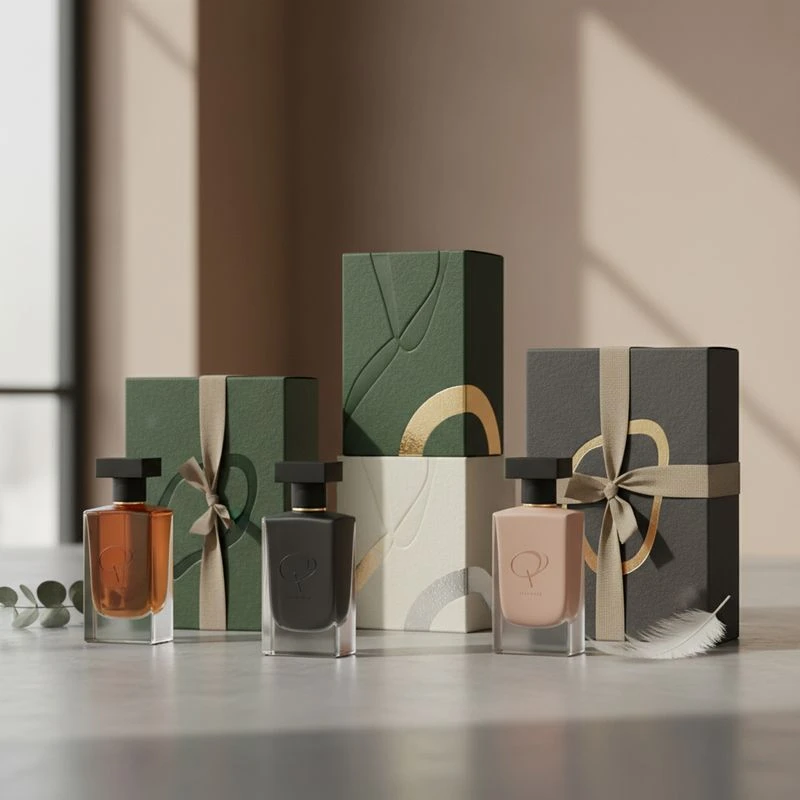
Beyond Scent: How Bespoke Packaging Creates Unforgettable Brand Experiences and Drives Market Success in the Vibrant SA Market
In the competitive and discerning South African luxury market, a fragrance is more than just a scent; it’s an experience, a statement, and a reflection of personal style. For perfume and luxury fragrance brands, the journey from creation to consumer delight hinges significantly on one crucial element: custom packaging. It’s the silent ambassador of your brand, the first touchpoint that captivates and communicates your essence long before the cap is even lifted. In a landscape where consumers are increasingly seeking authenticity and premium value, generic packaging simply won’t suffice. Custom packaging allows brands to tell their unique story, to evoke emotion, and to establish an immediate, tangible connection with their target audience, transforming a simple purchase into an anticipated ritual. Understanding the intricacies of design, material selection, and local market nuances is paramount for brands aiming to make a lasting impression and secure a distinguished place in the hearts and minds of South African luxury consumers.
Perfume Packaging
Custom perfume packaging is far more than a mere container; it is the physical embodiment of your brand’s soul, the guardian of your precious liquid, and the very first impression a consumer encounters. For luxury fragrance brands operating within the diverse and sophisticated South African market, the importance of this initial interaction cannot be overstated. High-quality, thoughtfully designed packaging communicates value, craftsmanship, and attention to detail, setting the stage for the olfactory journey that awaits. It is the immediate visual and tactile cue that differentiates a premium product from its mass-market counterparts, influencing perception and purchase decisions significantly. Consider the discerning South African consumer who appreciates artistry and exclusivity; their expectation is that the exterior presentation will reflect the quality and luxury of the fragrance within.
The structural integrity and material choice for custom perfume packaging are foundational elements. Glass, the traditional material for fragrance bottles, offers unparalleled clarity, weight, and a classic luxury feel. However, brands must consider factors such as its fragility during transport across South Africa’s vast distances and varying logistical challenges, as well as its recyclability. Sustainable options, like recycled content glass or lighter alternatives, are gaining traction as environmental consciousness rises among consumers in the region. Beyond the primary bottle, secondary packaging – the outer box – plays a critical role in protection, branding, and enhancing the unboxing experience. High-quality paperboard, often sourced locally or internationally, allows for intricate printing, embossing, debossing, and various finishes that elevate the overall aesthetic. Brands also need to factor in the South African climate, particularly humidity and temperature fluctuations, ensuring that materials are robust enough to maintain their integrity from factory to shelf and then into the consumer’s home. Collaborating with experienced local packaging suppliers can provide invaluable insights into optimal material selection and structural design tailored to the unique demands of the South African distribution network, mitigating potential pitfalls like product damage or compromised presentation.
Furthermore, the practicalities of perfume packaging extend to ensuring compliance with local regulations and labelling requirements. Each component, from the atomiser to the cap, needs to be meticulously selected not only for aesthetics but also for functionality and durability. A common pitfall is underestimating the complexity of supply chains and lead times when importing specialised components, which can lead to costly delays. Local sourcing of packaging components, where feasible, can offer greater control, faster turnaround times, and a reduced carbon footprint, resonating well with South African consumers who increasingly support local industry. Engaging in a thorough prototyping phase is an actionable step that allows brands to test the functionality, aesthetics, and protective qualities of their custom packaging before committing to large-scale production. This includes drop tests, climate chamber tests, and consumer feedback sessions to ensure the packaging performs perfectly under real-world conditions. Ultimately, effective custom perfume packaging for the South African market is a harmonious blend of aesthetic appeal, robust protection, and logistical foresight, all contributing to a seamless and luxurious brand experience.
| Material Type | Typical Application | Pros for Luxury Custom Packaging | Cons/Considerations in SA | Sustainability Aspects |
|---|---|---|---|---|
| Glass | Primary bottle, atomiser vials | Premium feel, clarity, high perceived value, chemical inertness, excellent shelf stability. | Fragility, heavy (increased shipping costs for custom packaging), longer lead times for custom moulds, import duties for specialised glass. | Highly recyclable (if infrastructure available), often made with recycled content, reusable potential. |
| High-Quality Paperboard | Outer box, inserts, sleeves | Versatile for printing & finishes (embossing, foil), strong branding opportunity, lightweight, cost-effective for custom designs. | Vulnerable to moisture/humidity (SA climate), requires careful selection for structural rigidity, potential for counterfeiting if not secured. | Recyclable, often from responsibly managed forests (FSC certified), biodegradable. |
| Specialty Plastics (e.g., PET, PP) | Caps, atomiser components, travel-size bottles | Lightweight, durable, shatter-resistant, versatile for intricate shapes, cost-effective for high volumes. | Perceived as less luxurious than glass, potential for ‘plastic look’ if not finished well, limited recyclability for mixed plastics in some SA regions. | Recyclable (depending on type and local facilities), options for recycled (rPET) or bio-based plastics. |
This table outlines common materials used in custom perfume packaging, highlighting their advantages and disadvantages, especially pertinent for the South African market. Brands must weigh these factors carefully to balance luxury perception, cost, and logistical feasibility, alongside growing consumer demand for sustainable choices.
Luxury Design
Luxury design for custom perfume packaging transcends mere aesthetics; it is the art of storytelling, an intricate dance between visual allure and tactile sensation that captivates the affluent South African consumer. The design must instantly convey the brand’s narrative, its values, and the exclusivity of the fragrance within. It’s about creating an emotional connection that resonates deeply, transforming a product into a coveted object. Every element, from the chosen colour palette to the typography, the finish, and the structural form of the packaging, must harmonise to create a cohesive and aspirational identity. For a market that values global trends but also appreciates unique local narratives, striking this balance is crucial. A pitfall often encountered is a generic approach to design that fails to differentiate the brand in a crowded market; true luxury lies in bespoke details that whisper exclusivity.
Consider the visual elements: a minimalist design might speak volumes of understated elegance, while a richly ornamented package could evoke opulence and tradition. The selection of colours is paramount; specific hues can trigger emotional responses and cultural associations, making extensive market research vital for the South African context. Typography isn’t just about legibility; it’s a stylistic choice that contributes significantly to the brand’s voice – a delicate serif font might suggest heritage, while a clean sans-serif could imply modernity. Beyond visuals, the tactile experience is equally important in luxury design. Embossing, debossing, foil stamping, spot UV, and soft-touch laminations add layers of sophistication, inviting the consumer to touch and explore. These finishes elevate the perceived value of the custom packaging, making the unboxing a multi-sensory journey. Imagine a textured box that feels like fine leather or a lid that clicks shut with satisfying precision; these small details collectively contribute to the perception of ultimate luxury and craftsmanship.
Actionable steps for achieving exceptional luxury design involve a deep dive into brand identity and target audience psychology. Begin by defining the core essence of your fragrance – is it bold and adventurous, or delicate and romantic? This essence should then be translated into a design brief for packaging specialists who understand luxury and the South African market. Work closely with designers to explore various concepts, ensuring that the chosen design is not only beautiful but also practical for production and distribution. Prototyping is critical here; a 3D mock-up or a physical sample allows brands to evaluate the design’s impact, the functionality of closures, and the overall feel of the package before mass production. Ensure that the design maintains consistency across all brand touchpoints, from the perfume bottle itself to marketing materials and online presence, reinforcing a unified and strong brand identity. Over-designing can be a pitfall, leading to cluttered or confusing aesthetics; the goal is elegant simplicity or purposeful complexity. The solution lies in a clear vision, iterative design processes, and focusing on how each design element contributes to the brand’s luxury narrative, ensuring that the custom packaging becomes an extension of the fragrance’s exquisite promise to the South African consumer.
B2B Printing
Navigating the realm of B2B printing for custom perfume packaging in South Africa requires a strategic approach, as the quality and consistency of your printed materials directly impact your brand’s luxury perception. Choosing the right printing partner is a foundational decision that influences everything from cost-efficiency and production timelines to the final aesthetic integrity of your packaging. Brands must seek out printers with proven expertise in luxury packaging, understanding the nuances of high-end finishes and intricate designs that elevate perfume boxes beyond simple containers. This isn’t merely about putting ink on paper; it’s about translating a sophisticated design vision into a tangible, flawless product that reflects the premium nature of your fragrance for the discerning South African market. A common pitfall for brands is selecting a printer based solely on price, often leading to compromised quality and a disconnect from the intended luxury image.
When engaging with B2B printing services, clarity in technical specifications is paramount. Provide detailed artwork files, precise colour codes (Pantone references are essential for consistency), material specifications (e.g., paperboard thickness, type of finish), and structural diagrams. Discuss advanced printing techniques that can enhance luxury, such as offset printing for its superior colour accuracy and crispness, or digital printing for smaller, customised runs and faster prototyping. Post-press processes are equally critical: hot foil stamping, embossing, debossing, spot UV varnishes, and soft-touch laminations add tactile and visual richness, contributing significantly to the luxury feel of custom packaging. It’s crucial to understand the capabilities of local South African printers versus international options. While overseas manufacturers might offer competitive pricing for very large volumes, local printers often provide faster lead times, easier communication, better quality control oversight, and the ability to conduct site visits. This local engagement also aligns with the growing consumer preference in South Africa for supporting domestic industries, adding another layer of brand appeal.
Actionable steps involve a rigorous selection process. Start by requesting samples of previous luxury packaging work from potential B2B printing partners, paying close attention to the quality of print, colour accuracy, and the execution of special finishes. Always request pre-production samples or mock-ups of your specific custom packaging design. This allows for final checks on colour fidelity, print registration, and the overall fit and finish before committing to a full production run. Discuss Minimum Order Quantities (MOQs) and lead times upfront, as these can vary significantly between printers and impact your inventory management and market launch schedules. Understand their quality control procedures and their ability to handle strict brand guidelines. A key solution to potential pitfalls like colour inconsistencies or print errors is establishing a clear sign-off process, including physical proof approvals. Regular communication channels with your printing partner are vital, ensuring that any challenges are addressed proactively. Ultimately, a successful B2B printing partnership for luxury custom perfume packaging in South Africa is built on mutual understanding, technical precision, and a shared commitment to delivering an exceptional product that reinforces your brand’s premium standing.
| Printing Method | Best For | Pros for Custom Perfume Packaging | Cons/Considerations | Typical MOQ (Units) |
|---|---|---|---|---|
| Offset Printing | High-volume, consistent quality, precise colour matching (CMYK & Pantone). | Superior image quality, sharp text, excellent colour fidelity for luxury branding, cost-effective for large runs. | High setup costs, longer lead times, less suitable for very small batches. | 5,000+ |
| Digital Printing | Small to medium runs, variable data printing, quick turnarounds, prototyping. | Flexibility for custom designs, reduced setup costs, fast production, ideal for limited editions or market testing in SA. | Potentially higher cost per unit for very large runs, colour consistency can vary slightly from offset, limited special finish integration in-line. | 100 – 5,000 |
| Flexography (Flexo) | High-volume packaging, often on non-porous materials like film or plastic. | High speed, suitable for various substrates, good for simple designs on primary packaging elements (e.g., labels for bottles). | Lower image resolution compared to offset, less ideal for very intricate luxury graphics, higher plate costs. | 10,000+ |
This table provides a comparison of common B2B printing methods, helping brands choose the most appropriate technique for their custom perfume packaging based on volume, quality requirements, and budget. For luxury brands in South Africa, often a combination of offset for outer boxes and digital for special runs offers the best balance.
Gift Appeal
The gift appeal of custom perfume packaging is a powerful driver in the South African luxury market, transforming a purchase into a cherished present and an ordinary moment into a special occasion. In a culture that values personal connections and thoughtful gestures, a beautifully presented fragrance elevates the act of gifting. It’s not just about the scent itself, but the entire experience of discovery and delight that begins the moment the package is received. Luxury brands understand that packaging serves as the initial “wow” factor, building anticipation and enhancing the perceived value of the gift. Generic or uninspired packaging fails to capture this magic, potentially undermining the effort put into selecting the perfect fragrance and alienating consumers who expect an elevated experience consistent with a premium price point.
Creating compelling gift appeal through custom packaging involves a multifaceted approach that extends beyond the primary box. Consider the concept of the “unboxing experience” – a ritual where each layer of packaging reveals more of the brand’s story and the product’s allure. This might include an outer sleeve with a unique texture, a custom-designed tissue paper that subtly protects the box, or an elegant ribbon that hints at the luxury within. Inserts that hold the perfume bottle securely in place, often made from velvet, silk, or high-density foam, not only protect the product but also add a sophisticated touch. Beyond these elements, attention to detail in presentation, such as a perfectly folded leaflet or a small, branded card, contributes to the overall premium feel. For the South African market, where social occasions and celebrations hold significant cultural importance, a perfume presented in exquisite custom packaging is not merely a product; it’s a statement of affection and esteem, making it an ideal choice for birthdays, anniversaries, or festive holidays.
Actionable steps for brands to maximise gift appeal involve thinking holistically about the entire presentation. Design the custom packaging with the recipient in mind, considering how they will interact with it from the moment it’s handed over. Explore secondary packaging options that add a layer of luxury, such as custom gift bags, embossed labels, or even complementary accessories like small, branded fabric pouches for travel. Seasonal or limited-edition packaging designs can significantly boost gift appeal during peak gifting periods like Mother’s Day, Valentine’s Day, or the festive season in South Africa. These special editions can feature unique colour schemes, embellishments, or structural designs that make them particularly desirable as gifts. A common pitfall is to overlook the emotional aspect of gifting, focusing too much on functionality and not enough on delight. The solution is to integrate elements that evoke joy, anticipation, and exclusivity. Brands should also consider providing options for personalisation, such as custom gift tags or engraved bottles, which can further enhance the perceived thoughtfulness and uniqueness of the gift. By meticulously crafting the custom packaging to embody the spirit of generosity and luxury, perfume brands can significantly amplify their gift appeal, driving sales and fostering deeper connections with South African consumers.
Brand Identity
Custom packaging is undeniably the cornerstone of a luxury perfume brand’s identity, acting as a tangible manifesto of its values, ethos, and aspirational qualities. In the vibrant and competitive South African market, where consumers are increasingly sophisticated and brand-conscious, a strong, consistent brand identity is crucial for differentiation and sustained success. Your packaging doesn’t just hold a product; it holds your brand’s narrative, its heritage, or its modern vision, communicating these elements silently but powerfully to anyone who encounters it. Without bespoke packaging that perfectly aligns with a brand’s core message, a luxury fragrance risks being perceived as generic, failing to stand out in a crowded retail space and losing the opportunity to forge an emotional connection with its target audience. The critical takeaway here is that packaging is an investment in your brand’s future, not merely an expense.
The journey to establishing a robust brand identity through custom packaging begins with a clear understanding of what your brand represents. Is it timeless elegance, modern innovation, exotic allure, or sustainable luxury? Every design choice, from the contours of the bottle to the texture of the outer box, must echo this fundamental identity. For instance, a brand aiming for minimalist sophistication might opt for clean lines, muted colours, and subtle embossing on high-quality recycled paperboard, signalling both luxury and environmental consciousness, a growing trend among South African consumers. Conversely, a brand celebrating African heritage might integrate vibrant patterns, rich textures, and materials that reflect local craftsmanship, creating a distinct and authentic identity that resonates deeply within the region. Consistency across all touchpoints is vital; the colours, fonts, and stylistic elements used on your custom packaging should be seamlessly integrated into your website, social media, advertising campaigns, and in-store displays. This uniformity reinforces brand recognition and builds trust, making your fragrance instantly identifiable and memorable.
Potential pitfalls in developing brand identity through packaging often include a lack of consistency or a design that doesn’t genuinely reflect the brand’s essence. This can confuse consumers and dilute the brand’s message. A solution involves meticulous brand guideline development and strict adherence to them, ensuring that every piece of custom packaging, whether for a new launch or an existing line, contributes to a cohesive identity. Actionable steps for brands involve collaborating with design agencies and packaging manufacturers who specialise in luxury and understand the South African aesthetic landscape. Conduct workshops to distil your brand’s core attributes and translate them into visual and tactile elements. Test various packaging concepts with focus groups comprising your target demographic to gauge their reactions and ensure the packaging communicates the intended message effectively. Furthermore, consider how your packaging contributes to your brand’s sustainability narrative, a factor of increasing importance to South African consumers. Integrating eco-friendly materials or design features can enhance your brand’s identity as a responsible and forward-thinking entity. Ultimately, custom packaging is an irreplaceable asset in building a compelling brand identity, serving as a constant reminder of the brand’s promise and solidifying its position within the competitive South African luxury fragrance market.
