
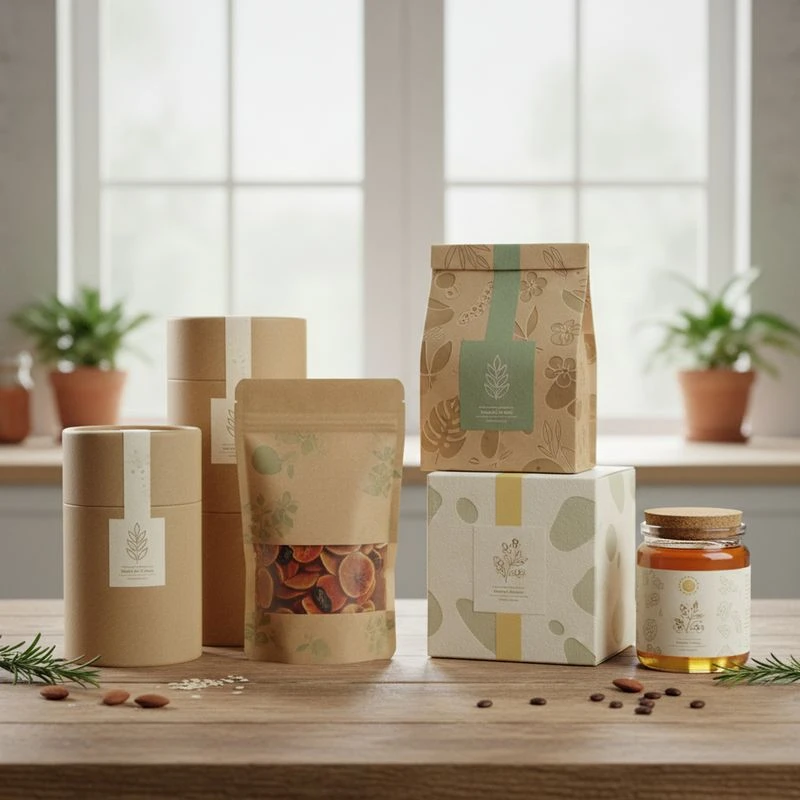
Elevating Your Brand with Sustainable, Tailored Solutions for Natural Products
Food Packaging
In South Africa’s vibrant and rapidly expanding organic and natural food sector, your packaging is more than just a container; it’s a silent brand ambassador, a protector of purity, and a powerful communicator of your values. For consumers seeking healthier, more ethically produced options, the choice of packaging can be as critical as the ingredients themselves. This is where the strategic importance of custom packaging for organic and natural foods for the South Africa market truly shines. It’s an immediate differentiator, signaling commitment to quality, freshness, and environmental responsibility, which resonates deeply with the discerning organic consumer base.
The unique challenges of organic food – often a shorter shelf life due to fewer preservatives, and a consumer expectation of minimal processing – demand packaging that offers superior protection without compromising the product’s natural integrity. Custom solutions allow brands to select materials that extend shelf life naturally, protect against spoilage, and maintain optimal freshness, a non-negotiable for premium organic produce, baked goods, or prepared meals. Furthermore, in a market where trust and transparency are paramount, bespoke packaging offers an unrivaled opportunity to tell your brand’s story, highlight certifications, and convey the journey from farm to fork, directly to the consumer.
Navigating the South African retail landscape, where shelf space is competitive, custom packaging ensures your organic products capture attention. Think beyond basic labels; imagine innovative shapes, tactile materials, or unique opening mechanisms that enhance the unboxing experience and leave a lasting impression. This level of detail elevates a product from merely being “organic” to being a desirable, premium offering. For instance, a local organic rooibos tea brand could use a textured, recycled paperboard box with an intricate, culturally inspired design, immediately communicating authenticity and sustainable practices to the South African consumer. Similarly, artisanal organic olive oils might benefit from custom glass bottles that not only preserve the oil but also exude a rustic, high-quality aesthetic.
A crucial consideration for brands operating in this niche is how to balance visual appeal with practical functionality and ecological principles. Generic packaging often falls short, unable to meet specific product requirements or effectively convey a brand’s unique ethos. The shift towards custom packaging for organic and natural foods in the South Africa market is not merely a trend; it’s a strategic imperative for long-term success, enabling brands to build strong identity, ensure product integrity, and meet evolving consumer expectations. It allows for precise control over material choice, print quality, and structural design, all of which contribute to a cohesive brand message and a superior product experience. This table illustrates some key considerations when evaluating packaging options for the organic market:
| Packaging Aspect | Traditional (Generic) | Custom (Sustainable Organic Focus) |
|---|---|---|
| Material Choice | Limited, often virgin plastics, standard paper/cardboard. | Diverse, includes recycled content, plant-based, compostable, biodegradable, specific barrier films. |
| Brand Storytelling | Basic labels, minimal differentiation. | Integrated design, unique finishes, textures, detailed brand messaging, certifications prominent. |
| Product Protection | Standard protection, not always optimised for organic product fragility/shelf-life. | Tailored barriers (oxygen, moisture, UV), optimised fit to reduce damage and waste. |
| Environmental Impact | Often higher carbon footprint, reliance on non-renewables. | Lower footprint, recyclability/compostability focus, lighter weight options, reduced material use. |
| Consumer Experience | Functional, but unremarkable. | Engaging, premium feel, easy-to-open, recloseable features, clear disposal instructions. |
This table highlights the significant advantages that custom, sustainably-focused packaging offers over generic solutions, particularly for organic and natural food brands. It underscores how every element, from material choice to consumer experience, can be optimised to align with the core values of the organic market, fostering greater trust and loyalty among South African consumers.
Compostable
The quest for truly sustainable custom packaging for organic and natural foods for the South Africa market often leads directly to compostable materials. Compostable packaging is designed to break down into nutrient-rich organic matter, water, and carbon dioxide, typically in a composting environment, without leaving behind any toxic residues. This offers a compelling end-of-life solution that can contribute positively to soil health and divert waste from landfills, appealing directly to the environmentally conscious organic consumer. The key distinction lies in the controlled conditions required for this breakdown: industrial composting facilities provide the optimal heat, moisture, and microbial activity, though some materials are also certified for home composting, which presents its own unique set of opportunities and challenges within the South African context.
For organic food producers, opting for compostable packaging sends a clear message of commitment to a circular economy. Imagine organic fruit and vegetable punnets made from plant-based materials like PLA (polylactic acid) or starch-based polymers, which can be industrially composted after use. Or consider cellulose-based films for organic snacks that can be disposed of in a home compost heap, provided the consumer has access to one. While the concept is highly attractive, the practical implementation in South Africa requires careful consideration. The availability and accessibility of industrial composting facilities vary significantly across the country. Brands must therefore be transparent with their consumers about the correct disposal methods, clearly labelling whether the packaging is industrially or home compostable, and providing guidance where possible.
A potential pitfall for brands lies in mislabeling or making unsubstantiated claims, which can lead to consumer confusion and skepticism – a phenomenon known as ‘greenwashing’. To avoid this, it’s crucial to partner with suppliers who offer certified compostable materials (e.g., meeting international standards like EN 13432 or ASTM D6400). Such certifications ensure that the material will indeed break down as claimed and will not harm the environment or the composting process. Furthermore, when selecting compostable materials for organic food packaging, factors like barrier properties (to protect against moisture, oxygen, and light), printability, and structural integrity must be carefully evaluated to ensure the product remains fresh and appealing throughout its shelf life. For instance, a compostable film for organic dried fruit needs excellent moisture barrier properties to prevent spoilage.
Brands looking to integrate compostable packaging should also consider innovative solutions like custom-moulded pulp packaging for eggs or specialty produce, which are inherently compostable and provide excellent cushioning. For liquid organic products, ongoing developments in compostable lining technologies for cartons are proving promising. The actionable step for South African organic brands is to conduct thorough research into available certified compostable materials and suppliers, assess their product’s specific barrier requirements, and develop clear, educational communication strategies for consumers regarding disposal. This proactive approach not only enhances brand credibility but also contributes to the development of a more robust composting infrastructure in the long term, pushing the custom packaging for organic and natural foods for the South Africa market towards a truly sustainable future. Collaborating with local composting initiatives or advocating for increased infrastructure can also be a powerful way for brands to demonstrate leadership in sustainability.
Biodegradable
Delving deeper into sustainable options for custom packaging for organic and natural foods for the South Africa market, we encounter “biodegradable” materials, a term often used interchangeably with “compostable,” but which holds crucial distinctions. While all compostable materials are biodegradable, not all biodegradable materials are compostable. Biodegradable simply means that a material can break down into simpler substances by microorganisms over time. However, this process can take years, decades, or even centuries, and the conditions required (temperature, moisture, presence of specific microbes) are often not specified or easily met in a typical landfill environment. Moreover, the byproducts of biodegradation might not always be benign; they could include microplastics or other undesirable residues if the material isn’t fully broken down into natural components.
For organic food brands, understanding this nuance is vital to avoid unintended greenwashing and to make genuinely sustainable choices. Simply labelling packaging as “biodegradable” without specifying the conditions or timeframe for breakdown can be misleading to consumers. In the South African context, where waste management and recycling infrastructure are still developing, choosing genuinely eco-friendly custom packaging solutions means looking beyond broad terms. For instance, a biodegradable plastic bag might eventually break down, but if it requires ocean conditions to do so, it’s not a suitable solution for landfill disposal, and its presence in the ocean poses significant environmental harm in the interim. The goal for organic food packaging should be materials that biodegrade responsibly and efficiently within existing or emerging waste streams.
When considering biodegradable materials, look for those that are certified to break down within a reasonable timeframe and under specific, environmentally sound conditions. Examples include certain PHA (Polyhydroxyalkanoates) bioplastics, derived from bacterial fermentation, which show promise for biodegrading in diverse natural environments, including soil and marine water. However, these materials are often more expensive and less widely available for custom applications compared to traditional plastics or even some compostable options. The key actionable step for organic brands in South Africa is to demand clarity and scientific evidence from packaging suppliers regarding biodegradability claims. Inquire about independent certifications, specific environmental conditions for breakdown, and the resulting byproducts.
A practical example might involve a South African organic fresh herb producer considering a new film for their packaging. While a generic “biodegradable” film might seem appealing, a deeper dive might reveal it only breaks down slowly in industrial composting settings, or worse, in highly specific and uncommon conditions. A more responsible choice would be a certified home-compostable film or, if not available, exploring other green materials like recycled content or easily recyclable options. The challenge with biodegradable packaging often lies in its end-of-life pathway. If it ends up in a landfill without the right conditions, it may simply produce methane (a potent greenhouse gas) as it slowly degrades anaerobically. Therefore, integrating truly biodegradable custom packaging into the South African organic food market requires a commitment to educating consumers about proper disposal and advocating for infrastructure that can effectively process these materials, ensuring they fulfill their intended environmental benefit rather than creating new problems.
B2B Customisation
For organic and natural food businesses in South Africa, B2B customisation of packaging is not merely an option but a strategic imperative that differentiates your brand in a competitive landscape. Generic, off-the-shelf packaging often fails to capture the unique essence of organic products, compromising both aesthetic appeal and product integrity. The power of B2B customisation lies in its ability to align every aspect of your packaging with your brand’s ethos, product specifications, and target consumer, creating a cohesive and compelling presence in the market. This tailored approach allows organic brands to communicate their commitment to natural ingredients, sustainability, and premium quality from the moment a product is seen on the shelf.
The customisation process typically begins with a deep dive into your product’s specific needs. For instance, an organic dairy alternative requires different barrier properties than a bag of organic granola. A specialised packaging partner will work with you to understand shelf-life requirements, storage conditions (refrigerated, ambient), and distribution challenges within South Africa. This collaborative consultation phase is crucial for selecting the right materials, structural design, and printing techniques. It’s about more than just slapping a logo on a standard box; it involves engineering solutions that protect the product, enhance its visual appeal, and align with your sustainability goals. For organic fresh produce, this might involve custom-vented packaging to optimise airflow and extend freshness, using materials like rPET or compostable films.
One of the key benefits of B2B custom packaging for organic and natural foods for the South Africa market is the ability to achieve superior brand differentiation. In a market increasingly saturated with “green” claims, authentic and thoughtful packaging stands out. Imagine a bespoke, elegantly designed glass jar for organic preserves with a custom-embossed lid, or a unique, ergonomic pouch for organic baby food that is easy for parents to handle and reseal. These details not only elevate the perceived value of your product but also foster a deeper connection with your consumers, building loyalty and trust. Customisation also extends to compliance, ensuring all necessary organic certifications, nutritional information, and traceability codes are seamlessly integrated into the design, meeting both local regulations and consumer expectations for transparency.
While the initial investment in custom packaging might seem higher than generic alternatives, the long-term benefits often outweigh the costs. Optimised packaging can reduce product damage during transit, minimize food waste, and improve operational efficiencies in packing lines. Moreover, the enhanced brand perception and consumer loyalty fostered by distinctive packaging can lead to increased sales and market share. A potential pitfall to avoid is rushing the design process or choosing a supplier that lacks expertise in sustainable materials. It is essential to work with packaging partners who have a proven track record in the organic food sector and can guide you through material selection, design iterations, and sustainable sourcing. For a South African organic snack brand, this might mean collaborating with a local manufacturer capable of producing custom pouches with specific barrier layers made from certified compostable or recycled content, ensuring both product protection and environmental responsibility.
Consider the varying levels of customisation available and how they impact your brand’s presence and environmental footprint:
| Customisation Level | Description | Typical Impact (Cost & Sustainability) |
|---|---|---|
| Basic Branding | Standard packaging with custom labels/prints. | Lower cost, limited sustainability impact beyond material choice. |
| Structural Modification | Custom sizes, shapes, or functional features (e.g., reclosure, handles). | Moderate cost increase, potential for material optimization and waste reduction. |
| Material Innovation | Selection of specific sustainable materials (e.g., PHA, rPET, compostable films). | Higher cost, significant positive sustainability impact. |
| Full Bespoke Design | Unique form factor, integrated branding, specialised finishes, novel opening mechanisms. | Highest cost, maximum brand differentiation and optimised sustainability potential. |
This table illustrates the spectrum of B2B customisation, from simple branding to fully bespoke designs, and their corresponding impacts on cost and sustainability. Choosing the right level of customisation allows organic food businesses in South Africa to strategically invest in packaging that aligns with their budget, brand identity, and environmental objectives, ensuring a tailored solution that resonates with their discerning consumer base.
Green Materials
The journey towards truly sustainable custom packaging for organic and natural foods for the South Africa market inevitably leads to a comprehensive exploration of “green materials.” This category encompasses a broad spectrum of environmentally responsible choices that go beyond just compostable and biodegradable options, including materials with high recycled content, renewable plant-based sources, and inherently reusable or infinitely recyclable substances. Making informed decisions about green materials is crucial for organic brands seeking to minimize their ecological footprint and appeal to the increasingly eco-conscious South African consumer who expects genuine sustainability, not just buzzwords. The right material choice not only protects your product but also reinforces your brand’s commitment to planetary health.
One of the most impactful green material choices is recycled content, particularly post-consumer recycled (PCR) plastics like rPET (recycled polyethylene terephthalate) or rHDPE (recycled high-density polyethylene). Using PCR materials significantly reduces the demand for virgin plastics, conserves energy, and diverts waste from landfills. For instance, organic juices or dairy alternatives can be packaged in rPET bottles, which are visually identical to virgin plastic but carry a much lower environmental burden. Similarly, recycled paperboard can be used for custom folding cartons for organic cereals, snacks, or herbal teas, offering excellent printability and a robust, natural aesthetic. When sourcing these materials in South Africa, it’s important to verify the percentage of PCR content and ensure the supply chain is transparent and certified where possible, mitigating potential greenwashing risks.
Beyond recycled plastics and paper, a growing array of plant-based materials offers exciting possibilities. These include innovative bioplastics derived from renewable resources like sugarcane, corn starch, or even seaweed, which can offer properties similar to conventional plastics but with a reduced reliance on fossil fuels. For organic fresh produce, cellulose-based films or trays made from agricultural waste can provide effective and visually appealing solutions. Glass and aluminum also stand out as exemplary green materials, primarily due to their infinite recyclability without loss of quality. Organic beverages, sauces, and preserves, packaged in custom-designed glass jars or aluminum cans, not only enjoy superior barrier protection but also clearly communicate a premium, sustainable brand message to the South African consumer, encouraging circularity in their consumption habits.
However, the selection of green materials is not without its complexities. Factors such as material availability, cost implications, and compatibility with existing manufacturing and recycling infrastructure in South Africa must be carefully assessed. Some advanced bioplastics, while highly sustainable in theory, might face challenges in widespread commercial availability or require specific industrial composting facilities that are not yet prevalent across all regions. The actionable step for organic brands is to conduct a thorough life cycle assessment (LCA) when evaluating different green materials. This involves looking at the entire journey of the material, from raw material extraction, manufacturing, transportation, usage, and end-of-life disposal. Such an assessment helps identify the material with the lowest overall environmental impact for your specific product and market context.
Ultimately, the goal is to implement custom packaging for organic and natural foods for the South Africa market that embodies the principles of a circular economy: reducing material use, reusing where possible, and ensuring materials can be recycled or composted effectively at their end-of-life. This requires continuous dialogue with suppliers, investing in innovative designs that support material recovery, and actively educating consumers on how to responsibly dispose of the packaging. By championing green materials, organic food brands can not only enhance their sustainability credentials but also lead the way in fostering a more environmentally conscious consumer culture within South Africa, reinforcing their commitment to natural products and a healthy planet.
