
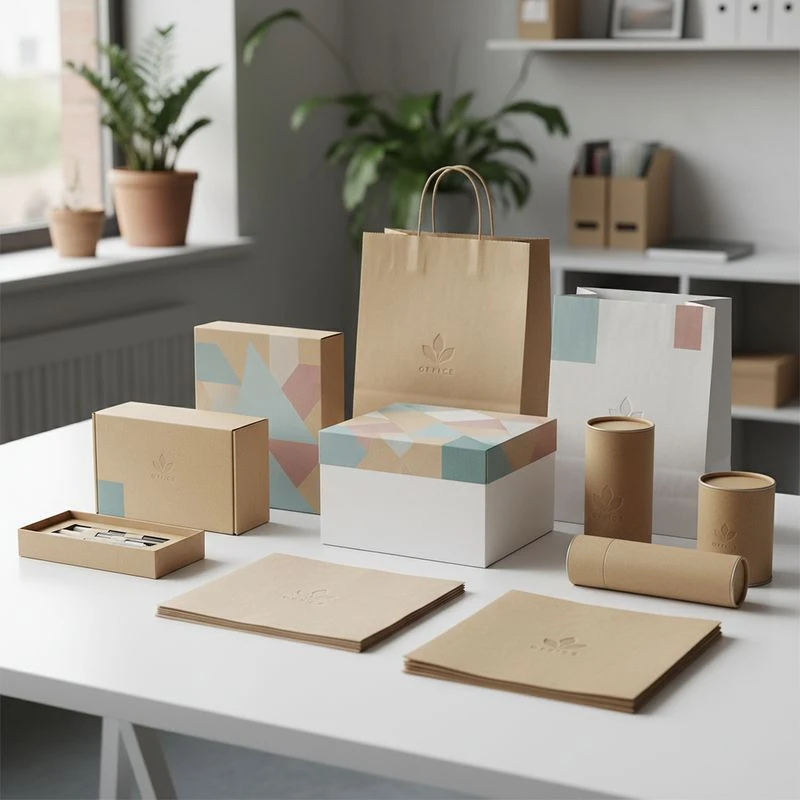
Unlock Market Potential with Tailored Packaging Solutions for Office and Stationery Brands
In South Africa’s vibrant and competitive office and stationery market, simply having a great product is often not enough. To truly capture attention, build brand loyalty, and drive sales, your packaging needs to do more than just protect the contents; it needs to tell a story, evoke emotion, and stand out on the shelf. Custom packaging transforms a commodity into an experience, allowing brands to communicate their values, quality, and unique selling propositions long before the product itself is used. For stationery brands operating in the diverse South African landscape, investing in bespoke packaging is not merely an expense, but a strategic imperative that directly impacts market perception, consumer engagement, and ultimately, profitability. It’s about creating an immediate connection with the consumer, making your brand memorable in a crowded marketplace, and ensuring your products are perceived as premium and desirable. The journey of a stationery item, from production line to a customer’s desk, is fraught with potential touchpoints where packaging plays a critical role in shaping the brand narrative. A well-designed custom package ensures that this narrative is consistent, compelling, and distinctly your own, setting the stage for a positive customer experience from the very first glance. This comprehensive approach to packaging considers not only aesthetic appeal but also functionality, durability, and sustainability, all tailored to resonate with the specific demands and preferences of the South African consumer base.
Stationery Packaging
Custom stationery packaging is more than just a protective layer; it’s a powerful branding tool that significantly elevates a brand’s presence and perceived value in the competitive South African market. The immediate takeaway for any stationery brand should be this: bespoke packaging is an indispensable asset for differentiating your products and forging a deeper connection with your target audience. In a market where consumers have an abundance of choices, packaging acts as the first, and often most critical, point of interaction, conveying quality, professionalism, and personality before the product is even touched. It’s the silent salesperson that captures attention on a crowded retail shelf or creates anticipation upon unboxing.
The reasoning behind this importance is multi-faceted. South African consumers are increasingly sophisticated, seeking not just functional items but also products that reflect their personal style, values, and aspirations. Generic packaging fails to tap into this desire, blending into the background and making it harder for your brand to leave a lasting impression. Custom packaging, however, allows brands to infuse their unique identity into every aspect of the product’s presentation. Imagine a range of premium notebooks encased in elegant, tactile packaging with subtle embossed logos and a luxurious finish; this instantly communicates a higher perceived value than notebooks wrapped in plain plastic. This enhanced perception not only justifies a higher price point but also fosters a sense of loyalty among customers who appreciate the attention to detail and the thoughtful presentation. Furthermore, in the age of social media, aesthetically pleasing packaging encourages unboxing videos and social sharing, turning your customers into organic brand ambassadors. For stationery, where products are often gifted or used in professional settings, impressive packaging adds an extra layer of prestige, making the recipient feel valued and elevating the giver’s thoughtful choice.
To effectively leverage custom stationery packaging, brands can take several actionable steps. Firstly, focus on material selection: consider eco-friendly options like recycled cardstock, Kraft paper, or FSC-certified materials, which resonate strongly with environmentally conscious South African consumers. For example, a brand selling artisan pens could use a sturdy, minimalist box made from recycled board, perhaps with a small window to showcase the pen’s craftsmanship. Secondly, integrate strong branding elements: ensure your logo, brand colours, and typography are consistently applied and visually impactful. This could involve debossing a logo onto a textured card stock for a high-end feel or utilising vibrant, eye-catching colours for a more playful, accessible brand. Thirdly, think about the unboxing experience: custom inserts, tissue paper, or a branded sticker to seal the package can transform the act of opening a product into a memorable event. For a set of planners, internal dividers could be printed with motivational quotes, enhancing the overall value. Lastly, consider the practical aspects of protection and functionality. Packaging for delicate items like fountain pens or fine art supplies needs robust internal supports to prevent damage during transit, ensuring the product arrives in pristine condition. This thoughtful approach not only safeguards your items but also reinforces your brand’s commitment to quality. By meticulously planning these elements, South African stationery brands can create custom packaging that protects, promotes, and truly captivates their audience.
Box Design
Strategic box design is a cornerstone of effective custom packaging, crucially impacting not only the aesthetic appeal but also the functionality, protective capabilities, and overall cost-effectiveness for stationery and office brands in South Africa. The primary takeaway here is that an expertly engineered box design acts as the skeletal framework for your brand’s physical presence, needing to balance visual allure with practical considerations to ensure a successful product journey. A well-designed box is essentially a three-dimensional billboard, a protective shell, and an ergonomic container all rolled into one, demanding careful consideration from initial concept to final production.
The reasoning behind this emphasis on design is multifaceted. In the bustling South African retail landscape, a product’s box is often its first point of contact with a potential customer. It needs to stand out on a crowded shelf, communicate brand identity instantly, and convey the value of its contents. Beyond aesthetics, the structural design of a box is critical for product protection during storage, transit, and handling, which can be particularly challenging given South Africa’s diverse logistical conditions. A flimsy or poorly designed box can lead to damaged goods, resulting in costly returns, customer dissatisfaction, and a tarnished brand reputation. Moreover, an inefficient design can lead to increased material usage, higher shipping costs due to oversized packaging, and greater environmental impact. Conversely, an optimised box design can streamline packing processes, reduce material waste, and minimise shipping expenses, contributing directly to a brand’s bottom line. For office supplies, such as a pack of high-quality pens or a ream of special paper, the box must not only protect but also provide easy access for the consumer, perhaps incorporating a tear strip or a simple tuck-in flap for convenient storage and retrieval.
Implementing effective box design involves several actionable steps. Firstly, consider the product’s characteristics: its size, weight, fragility, and intended use. This will dictate the most appropriate box style, such as a sturdy auto-lock bottom box for heavier items like paper reams, a sleek tuck-end box for smaller items like staplers, or a more elaborate rigid box with magnetic closures for premium stationery sets. Secondly, material selection is paramount. Corrugated cardboard offers excellent protection for shipping, while solid board or SBS (Solid Bleached Sulfate) is ideal for retail display boxes, providing a smoother surface for high-quality printing. Thirdly, focus on structural integrity and efficiency; collaborate with packaging engineers to create designs that minimise material usage without compromising protection. This might involve custom inserts or fitments that snugly hold items in place, reducing the need for excess void fill. For example, a custom-moulded pulp tray could securely cradle a set of calligraphy pens within a branded outer box. Fourthly, integrate graphic design early in the process, ensuring the structural elements complement the visual branding. Consider how elements like die-cut windows can showcase the product or how strategically placed embossing can add a tactile dimension to the brand experience. Finally, conduct prototyping and testing; produce samples and put them through simulated shipping and handling conditions to identify any vulnerabilities before mass production. This iterative process ensures the final custom packaging box is robust, aesthetically pleasing, and perfectly suited for the South African market’s demands.
| Material Type | Key Advantages for Stationery Packaging | Typical Applications in SA | Sustainability Considerations |
|---|---|---|---|
| Solid Bleached Sulfate (SBS) Board | Excellent printability (vibrant colours), smooth surface, good rigidity for small to medium items, premium feel. | Notebook covers, pen boxes, art supply kits, gift boxes, retail display boxes. | Often FSC-certified, recyclable, can contain recycled content. |
| Kraft Paper/Board | Natural, rustic aesthetic, high tear resistance, good for eco-friendly branding, cost-effective. | Eco-friendly notebook covers, wrapping paper, minimalist pen packaging, protective sleeves. | Made from virgin wood pulp (less processing), often recyclable and biodegradable. |
| Corrugated Cardboard | Superior strength and protection, excellent for shipping and heavier items, versatile for various box styles. | Shipping boxes for bulk stationery, display-ready packaging for office supplies, protective inserts. | High recycled content, widely recyclable in SA, biodegradable. |
| Rigid Board (Chipboard covered with paper) | Luxurious, durable, high-end feel, ideal for premium and gift items, offers significant protection. | Premium pen sets, executive diary boxes, commemorative stationery editions. | Can be made from recycled content, outer paper layer may be recyclable. |
This table illustrates the diverse range of custom packaging materials available for stationery brands in South Africa, each offering distinct advantages in terms of aesthetics, protection, and sustainability. Selecting the right material is crucial as it directly impacts both the perceived value of the product and its environmental footprint. For instance, while SBS board provides a premium, smooth finish for high-quality printing, corrugated cardboard offers unparalleled protection for heavier or bulkier items during transit across the country.
B2B Printing
Partnering with the right B2B printer is an absolutely critical step for any stationery or office brand looking to implement custom packaging in South Africa. The core takeaway here is that the printer is not just a vendor, but an extension of your production and branding team, with their capabilities directly impacting the quality, consistency, and scalability of your custom packaging efforts. A strong printing partnership ensures that your meticulously designed packaging translates flawlessly from digital concept to tangible product, maintaining brand integrity across every single item.
The reasoning behind this emphasis on printer selection stems from the inherent complexities of mass-producing custom packaging. Achieving perfect colour matching across different print runs, ensuring precise die-cutting, and consistently maintaining the desired material quality requires specialised equipment, technical expertise, and stringent quality control processes. For South African brands, issues like varying humidity levels, transportation challenges, and the need for cost-effective solutions add layers of complexity. A less experienced or ill-equipped printer might struggle with maintaining brand-specific colours (e.g., your exact shade of brand blue might appear inconsistent), leading to a diluted brand image. Poor print registration can result in misaligned graphics, making the packaging look unprofessional. Furthermore, the ability to scale production—from small pilot runs to large seasonal orders—without compromising quality or increasing lead times significantly is vital for business growth. A reliable B2B printer understands the nuances of the local supply chain, can offer valuable insights into material availability and cost efficiencies in the SA context, and possesses the flexibility to adapt to changing market demands. For example, if your brand introduces a new line of eco-friendly pens, your printer should be capable of suggesting and working with sustainable ink and board options, aligning with your brand’s ethos and consumer expectations.
To establish a successful B2B printing partnership for your custom packaging, several actionable steps are paramount. Firstly, thoroughly vet potential printers by reviewing their portfolios, requesting samples of similar work, and checking client testimonials, especially those from other South African brands. Look for printers who demonstrate a deep understanding of packaging specific to stationery products. Secondly, clearly define your specifications: provide comprehensive artwork files (in print-ready formats like AI or PDF), precise colour codes (Pantone Matching System is highly recommended for consistency), material requirements, and desired finishes (e.g., matte laminate, spot UV, embossing). Don’t assume anything; explicitly communicate every detail. Thirdly, engage in a robust proofing process. Always insist on physical proofs, also known as press proofs or mock-ups, rather than relying solely on digital renditions. This allows you to inspect the colour accuracy, material feel, die-cut precision, and overall aesthetic under natural light, catching any discrepancies before full production begins. This step is particularly crucial for custom packaging where tactile elements and specific colour vibrancy are key brand differentiators. Fourthly, discuss lead times and minimum order quantities (MOQs) upfront. Understand their production capacity and how it aligns with your demand forecasts, ensuring they can deliver your custom packaging reliably and punctually. For stationery brands needing consistent supply, a printer with efficient production lines and robust logistics can be invaluable. Finally, explore their quality control procedures and inquire about their commitment to sustainability. Many South African printers now offer environmentally responsible options, aligning with consumer preferences for greener products. By taking these proactive steps, you can secure a B2B printing partner who will consistently deliver high-quality custom packaging that strengthens your brand’s presence in the South African market.
| Consideration Area | Description for Stationery Brands | Potential Pitfalls & Solutions |
|---|---|---|
| Print Quality & Consistency | Ensuring sharp images, accurate brand colours (Pantone matching), and uniform finish across all custom packaging units and batches. | Pitfall: Inconsistent colour/registration. Solution: Use PMS, request physical proofs, establish strict QC checks with printer. |
| Material Sourcing & Type | Availability and quality of local and imported papers/boards (e.g., SBS, Kraft, corrugated) suited for specific stationery items. | Pitfall: Material shortages or lower quality. Solution: Partner with printers with diverse supplier networks; specify FSC-certified or recycled content. |
| Printing Technology | Matching the right printing method (Offset, Digital, Flexography) to order volume, complexity, and specific custom packaging finishes. | Pitfall: Inefficient method for order size. Solution: Discuss volume with printer; digital for short runs, offset for large, flexo for simpler designs/labels. |
| Lead Times & Logistics | Production schedules, shipping, and delivery timelines within South Africa, considering transport routes and regional differences. | Pitfall: Delayed deliveries. Solution: Establish clear timelines, build buffer time, choose local SA printers for reduced shipping complexities. |
| Cost-Effectiveness | Balancing quality with budget, understanding factors like MOQs, tooling costs, and economies of scale for custom packaging. | Pitfall: Unexpected costs. Solution: Get detailed quotes, understand all setup fees, discuss material alternatives for cost savings without compromising quality. |
This table outlines essential considerations for South African stationery brands when engaging in B2B printing for custom packaging. Each point highlights a critical aspect, from ensuring consistent print quality that upholds brand identity to managing logistics within the local context. Addressing these considerations proactively helps brands avoid common pitfalls, ensuring that their custom packaging is not only visually appealing but also produced efficiently and cost-effectively to meet market demands.
Display Ready
Designing custom packaging that is inherently “display ready” is a crucial strategy for stationery and office brands aiming to capture consumer attention and drive sales in the competitive South African retail environment. The core takeaway here is that your packaging should function as a silent but powerful salesperson, designed from the outset to perform optimally on the shelf, in-store, and even within e-commerce visuals. It’s about ensuring your product doesn’t just sit there, but actively communicates, attracts, and persuades a potential buyer, making an immediate impact in a crowded space.
The reasoning behind this focus on display readiness is profound. In South African retail, where diverse shopping experiences range from bustling malls to smaller independent stores, your packaging often has only a few seconds to make an impression. Generic packaging gets lost amidst a sea of competitors, failing to differentiate your brand. Custom packaging, however, allows you to strategically leverage visual cues, structural design, and branding elements to create compelling shelf appeal. Imagine a vibrant array of art supplies; if packaged in plain boxes, they might blend. But if each set is in a custom-designed box with a die-cut window showcasing the colours, a textured finish, and a clear, enticing brand message, it transforms into an irresistible invitation for discovery. Furthermore, “display ready” also extends to ease of merchandising for retailers. Packaging that is stackable, includes integrated hang tabs, or comes in multi-packs designed for specific display units reduces the effort for store staff, making your product more appealing for them to stock and promote. For online sales, high-quality, professional packaging translates into better product photography and an enhanced digital brand presence, influencing purchasing decisions long before the physical product arrives. It’s an investment in ensuring your product doesn’t just exist, but truly shines and commands attention.
To make your custom packaging truly display ready, several actionable steps can be integrated into the design process. Firstly, consider the retail environment: will your product be in a stationery aisle, a gift section, or on a counter-top? This dictates factors like size, shape, and visibility requirements. For example, smaller, impulse-buy items like unique erasers or novelty pens benefit from compact, hang-tab-equipped boxes or clear blister packs that highlight the product. Secondly, focus on the “hero shot” for your packaging. This means designing the front panel to be instantly recognisable, with clear branding, an appealing visual, and a concise value proposition. Use high-contrast colours, engaging graphics, and perhaps spot UV finishes to make key elements pop. For a premium journal, a minimalist design with an elegant debossed logo and a rich, tactile finish can convey sophistication without overwhelming the eye. Thirdly, integrate structural features that enhance display. This could include:
- Die-cut windows: Allowing customers to see the product directly, especially effective for showcasing unique colours, textures, or designs of stationery items like decorative paper or unique pens.
- Hang tabs: Essential for pegboard displays, maximizing vertical retail space and product visibility.
- Counter-top displays (FSDUs/CDUs): Design primary packaging to fit seamlessly into pre-designed, branded display units that can be easily set up by retailers, promoting bundled products or new arrivals.
- Multi-pack designs: For items like pens or pencils, packaging them in attractive sets that encourage bulk purchase and offer greater value, often designed to stand upright or lie flat attractively.
Durability
For stationery and office brands operating within the South African market, the durability of custom packaging is not merely a desirable feature but an absolute necessity. The primary takeaway is that robust packaging directly safeguards your product, significantly enhances brand perception, minimises costly returns, and critically contributes to your brand’s sustainability narrative. In a country with diverse geographical conditions and varied logistical chains, packaging that can withstand its journey from manufacturer to end-user without compromise is paramount to customer satisfaction and brand trust.
The reasoning behind this imperative for durability is rooted in several practical and strategic considerations. Stationery products, ranging from delicate art supplies to bulky reams of paper, traverse a complex journey that often involves multiple transit points, varying climates, and differing handling standards across South Africa. Packaging that is insufficiently durable risks product damage—be it crushed boxes, torn sleeves, or internal components dislodged—leading to customer disappointment, negative reviews, and financial losses due to returns or replacements. Consider a premium set of watercolours; if the outer box is flimsy and the internal trays are not secure, pigments could break or mix, rendering the product unusable. Such incidents directly erode consumer trust and harm a brand’s reputation, suggesting a lack of care or quality. Furthermore, durable packaging contributes to a perception of higher quality and value for the product itself. When a customer receives a product in pristine condition, housed in robust, well-constructed packaging, it subconsciously reinforces the notion that the contents are also of superior quality. Conversely, cheap or easily damaged packaging can make even an excellent product appear inferior. Beyond protection and perception, durability also plays a role in sustainability. Packaging that can survive its intended use often means less waste generated from damaged goods and reduces the need for excessive secondary packaging. If a custom box is designed to be sturdy enough for reuse or repurpose, it further enhances its eco-credentials, resonating with environmentally conscious South African consumers who value longevity and reduced waste.
To ensure custom packaging possesses the necessary durability, brands should implement several actionable steps during the design and material selection process. Firstly, prioritise appropriate material choices. For heavier items like bulk paper or staplers, opt for high-grade corrugated cardboard with a suitable flute profile (e.g., B-flute or E-flute) for optimal strength and crush resistance. For premium, rigid boxes used for executive pens or gift sets, specify chipboard of adequate thickness (e.g., 1.5mm to 2mm) to prevent warping and provide substantial protection. Secondly, focus on structural integrity through smart design. This involves working with packaging designers to engineer boxes that distribute weight effectively, incorporate reinforced corners, and use secure locking mechanisms. For example, a stationery brand might use an auto-lock bottom box for heavier items, which offers superior strength compared to a simple tuck-in flap. Internal fitments, such as custom-moulded pulp trays or precisely cut foam inserts, are crucial for securing individual items within the package, preventing movement and impact damage. Thirdly, consider protective finishes and coatings. Laminations (matte or gloss) not only enhance aesthetic appeal but also add a layer of moisture resistance and scuff protection, particularly beneficial in varying South African climates. UV coatings can further protect against fading from sun exposure if products are displayed near windows. Fourthly, conduct rigorous testing. Before committing to large production runs, perform drop tests, vibration tests, and compression tests on prototypes to simulate real-world shipping and handling conditions. This iterative process allows for identification and rectification of weaknesses in the packaging design, ensuring it can withstand the rigours of transit. Finally, educate your supply chain partners—from manufacturers to transporters—on proper handling and storage of your custom-packaged products. By meticulously addressing these aspects, South African stationery brands can ensure their custom packaging is not only visually stunning but also resilient, protecting their products and reinforcing their brand’s commitment to quality and customer satisfaction.
