
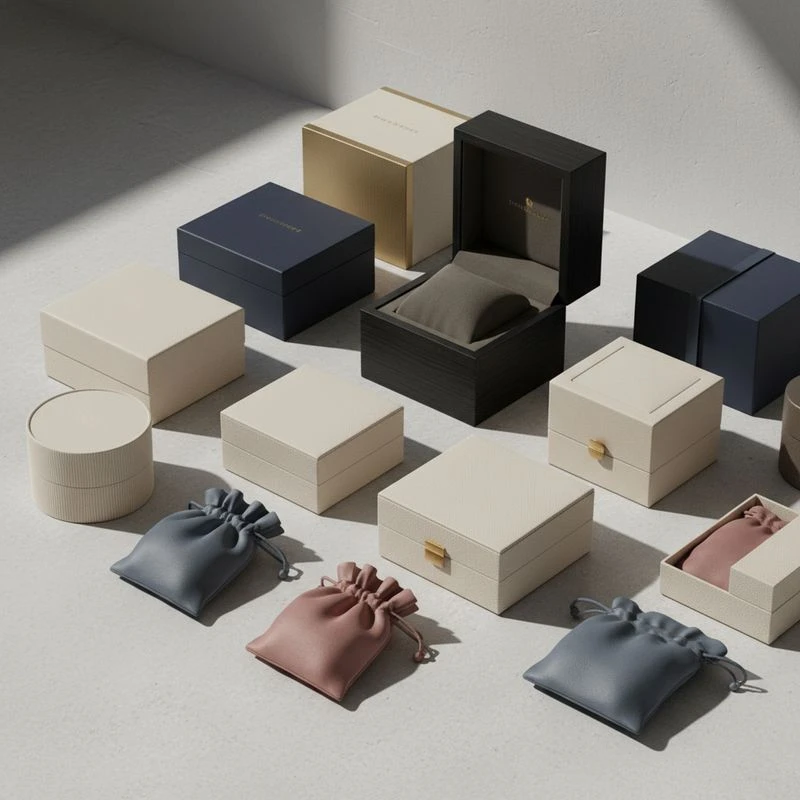
Crafting Unforgettable Experiences for South Africa’s Discerning Customers
Jewellery Packaging
In the vibrant and competitive South African market, your jewellery’s packaging is far more than just a protective shell; it’s the very first tactile interaction a customer has with your brand, setting the stage for their entire experience. Think of it as a silent salesperson, communicating your brand’s ethos, quality, and attention to detail long before the product itself is even seen. The takeaway here is clear: generic, off-the-shelf packaging is a missed opportunity to create a lasting impression and build brand loyalty. For South African jewellery and watch brands, investing in custom packaging for jewellery and watch brands is not an expense, but a strategic investment that pays dividends in perceived value and customer satisfaction.
The reasoning behind this is multifaceted. Firstly, custom packaging tells a story. Whether your brand is rooted in heritage, contemporary design, or sustainable practices, your packaging can visually and texturally articulate this narrative. Imagine a beautiful Fynbos-inspired design for a locally crafted piece, or a minimalist, sleek box for a modern watch; these elements resonate deeply with customers who appreciate authenticity and thoughtful design. Secondly, bespoke packaging significantly enhances the unboxing experience. In an age dominated by social media and online reviews, an aesthetically pleasing and carefully constructed unboxing moment can turn a simple purchase into a shareable event, extending your brand’s reach organically. Finally, custom solutions offer superior protection tailored to the specific dimensions and fragility of your precious items, reducing the risk of damage during transit and ensuring the product arrives in pristine condition, which is crucial for maintaining customer trust, especially across varied logistical landscapes in South Africa.
To implement effective custom jewellery packaging, start by defining your brand identity and target audience. Are you catering to the luxury market, the eco-conscious consumer, or a demographic that values vibrant local artistry? This will inform your material choices, colour palette, and design elements. Next, collaborate with a reputable packaging supplier who understands the nuances of the South African market, including local sourcing options and logistics. Request samples of different materials and finishes, such as premium cardstock, velvet inserts, or sustainably sourced wood, to ensure the tactile quality aligns with your brand. Don’t overlook practical elements like secure closures, sturdy construction, and appropriate internal inserts to cradle the jewellery safely. A common pitfall is to prioritize cost over quality, resulting in flimsy packaging that detracts from the perceived value of the expensive item inside. Another is failing to consider the environmental impact, which can alienate a growing segment of environmentally conscious consumers. The solution lies in a balanced approach: seek high-quality, durable materials that are also sustainable where possible, and always prioritize functionality alongside aesthetics to ensure your beautiful designs also protect your valuable products effectively. By taking these actionable steps, South African jewellery and watch brands can truly leverage their packaging as a powerful tool for brand differentiation and customer delight.
Luxury Boxes
When it comes to premium jewellery and watches, the box itself is an integral part of the luxury experience. It’s not just a container; it’s a statement, a prelude to the treasure within, and an enduring symbol of quality long after the purchase. The undeniable takeaway is that luxury boxes are non-negotiable for high-end brands seeking to distinguish themselves in the discerning South African market. These exquisitely crafted containers elevate the perceived value of the product, fostering an emotional connection with the customer and reinforcing the brand’s commitment to excellence.
The reasoning behind the power of luxury boxes is deeply psychological and experiential. From the moment a customer receives a beautifully weighted box, its texture, finish, and structural integrity communicate a sense of exclusivity and care. These boxes often feature sophisticated construction, such as rigid board covered with fine paper, fabric, or leatherette, providing a substantial feel that mass-produced packaging simply cannot replicate. The unboxing process becomes a ritual, a moment of anticipation built by layers of carefully selected materials – perhaps a soft velvet interior, a satin ribbon, or a custom-fit insert that perfectly cradles the jewellery. This meticulous attention to detail transforms the act of opening a box into a memorable event, imprinting the brand’s luxury identity firmly in the customer’s mind. Furthermore, a well-designed luxury box often serves a secondary purpose, becoming a keepsake or a permanent storage solution for the cherished item, thus extending the brand’s presence in the customer’s life beyond the initial transaction. This extended brand exposure is invaluable, particularly in a market that values longevity and quality.
Implementing effective luxury boxing for your custom packaging for jewellery and watch brands requires a thoughtful approach. Begin by selecting premium materials that align with your brand’s aesthetic and the value of your products. Options range from textured papers, embossed leatherette, suede, or velvet, to sustainably sourced wood or composite materials. Consider the structural integrity: rigid boxes, clamshell designs, or hinged lids offer a robust and sophisticated presentation. Custom inserts, precisely cut to fit your specific jewellery pieces, are crucial for both protection and presentation, ensuring the item is perfectly showcased upon opening. Finishes like foil stamping, debossing, spot UV, or metallic inks can add a touch of opulent detail that catches the eye. A common pitfall is choosing materials that look luxurious but lack durability, leading to boxes that scuff easily or degrade over time, which undermines the luxury perception. Another challenge in South Africa can be sourcing high-quality materials locally, potentially leading to higher import costs or longer lead times. To mitigate this, partner with packaging manufacturers who have established supply chains and can advise on the best local and international material options that meet both your quality and budget requirements. Always request physical samples to assess the feel, look, and robustness before committing to a full production run. By meticulously selecting materials, optimising structural design, and employing refined finishing techniques, South African jewellery and watch brands can create luxury boxes that truly embody their brand’s prestige and captivate their discerning clientele.
| Luxury Box Material | Key Characteristics | Pros for Jewellery/Watch | Cons for South Africa Market |
|---|---|---|---|
| Rigid Paperboard (wrapped) | Sturdy, versatile, customisable finish | Excellent protective qualities, wide range of aesthetic options (papers, textures) | Can be perceived as less “luxury” than wood/leather, susceptible to humidity if not properly sealed |
| Wood (solid or veneer) | Natural, durable, premium feel | High perceived value, strong protection, often reusable by customer | Higher cost, heavier for shipping, potential for warping in extreme climates (if not treated) |
| Leatherette / PU Leather | Sophisticated, tactile, animal-friendly alternative | Elegant look and feel, durable, variety of colours/textures | Can be mistaken for real leather (if not specified), quality varies widely, potential for cracking over time if low-grade |
| Acrylic / Plexiglass | Modern, transparent, unique | Showcases product directly, contemporary aesthetic, durable | Higher cost, prone to scratching, fingerprints, less “traditional luxury” feel |
This table illustrates various premium materials commonly used for luxury packaging for jewellery and watch brands, highlighting their distinct properties, advantages, and specific considerations for the South African market. Understanding these material characteristics helps brands make informed decisions that balance aesthetic appeal, durability, cost, and local environmental factors, ensuring the chosen material perfectly aligns with their brand’s luxury positioning and practical requirements.
Premium Design
In the fiercely competitive South African jewellery and watch sector, where consumers are increasingly sophisticated and brand-aware, a premium design for your custom packaging for jewellery and watch brands is not merely an aesthetic choice; it is a fundamental pillar of your brand strategy. The core takeaway is that exceptional design transforms packaging from a mere container into a potent brand ambassador, communicating quality, exclusivity, and a compelling brand narrative. It’s about creating an indelible visual and tactile experience that elevates your products and differentiates them in a crowded marketplace.
The rationale behind prioritizing premium design is rooted in both perception and psychology. High-quality design evokes trust and credibility. When customers encounter meticulously crafted packaging, featuring thoughtful typography, harmonious colour palettes, and sophisticated graphic elements, it implicitly suggests that the product within is of equally high quality. This perception is crucial for jewellery and watch brands, where authenticity and craftsmanship are paramount. A well-executed design goes beyond superficial beauty; it embodies your brand’s essence, telling its unique story through visual language. For example, indigenous patterns or specific colour schemes can connect with local heritage, while sleek, minimalist designs might appeal to a global, modern aesthetic. The emotional resonance created by a premium design contributes significantly to brand loyalty, making customers feel a part of an exclusive club and fostering repeat purchases. Furthermore, in an online retail environment, where physical interaction with the product is delayed, the visual representation of your packaging through high-quality images and videos becomes a critical selling point, enticing customers and building anticipation for the unboxing experience.
To achieve premium packaging design, begin by collaborating with experienced graphic and structural designers who specialize in luxury goods and understand the South African market’s unique cultural and consumer landscape. Provide them with a comprehensive brand guideline, including your logo, colour codes, typography, and brand values, to ensure consistency across all touchpoints. Focus on simplicity and elegance; often, less is more when it comes to luxury. Consider how elements like embossing, debossing, foil stamping, spot UV, or unique die-cuts can subtly enhance the design without overwhelming it. Pay close attention to the print quality and colour accuracy, as these are critical indicators of premium output. A common pitfall is to cram too much information or too many design elements onto the packaging, which can make it appear cluttered and cheapen the overall look. Another is failing to consider the practical aspects of the design, such as how it will look on different sized boxes or how well it translates across various printing techniques. To circumvent these issues, conduct thorough proofing processes, including physical mock-ups, and ensure your design is scalable and adaptable. Solicit feedback from a diverse group of target consumers to gauge initial impressions and ensure the design resonates as intended. By meticulously planning and executing your packaging design with an emphasis on elegance, clarity, and brand consistency, South African jewellery and watch brands can effectively leverage premium design to create a lasting impression and secure their position in the luxury market.
| Design Element | Impact on Premium Perception | Actionable Implementation | Potential Pitfall & Solution |
|---|---|---|---|
| Logo Application | Establishes brand identity, enhances recognition, signals authenticity. | Embossing, debossing, metallic foil stamping (gold, silver, rose gold) for subtle elegance. Ensure optimal size and placement. | Too large/small, poor placement, low-quality print. Solution: Work with designer for ideal proportions, use high-resolution files. |
| Colour Palette | Evokes emotion, reinforces brand personality (e.g., black/gold for luxury, earthy tones for natural). | Use a limited, sophisticated palette. Consider Pantone colours for consistency. Matte vs. gloss finishes. | Inconsistent colours, clashing tones, trend-driven choices that quickly date. Solution: Develop clear brand guidelines, test colours on different materials. |
| Typography | Communicates brand voice (e.g., serif for classic, sans-serif for modern). | Select legible, elegant fonts. Use hierarchy for information (brand name, product, details). | Too many fonts, unreadable small text, generic choices. Solution: Limit to 2 complementary fonts, focus on readability and brand fit. |
| Finishing Touches | Adds tactile and visual luxury (e.g., soft-touch laminate, spot UV, textured paper). | Strategically apply finishes to highlight key design elements or create sensory appeal. | Overuse of finishes, cheap-looking laminates, mismatch with brand. Solution: Use sparingly, ensure quality, test combinations on samples. |
This table outlines critical design elements for creating premium custom packaging for jewellery and watch brands, detailing their impact on brand perception and offering actionable steps for implementation. It also highlights common design pitfalls and provides practical solutions, emphasizing the importance of strategic and meticulous execution to convey luxury and sophistication effectively in the South African market.
B2B Branding
For jewellery and watch brands operating in South Africa, effective B2B branding through custom packaging extends your brand’s influence far beyond the direct consumer, reaching retailers, distributors, and corporate clients with a consistent and compelling message. The pivotal takeaway here is that your custom packaging designed for B2B channels is not merely functional; it is a powerful sales tool that reinforces your brand’s professionalism, reliability, and value proposition to other businesses. It assures partners that your brand maintains a high standard across all touchpoints, from manufacturing to point-of-sale.
The reasoning behind this strategy is straightforward: in the B2B landscape, brand reputation and consistency are paramount. When retailers receive your products in meticulously designed and branded wholesale packaging, it instills confidence in your operations and the perceived quality of the items they are about to stock. This extends beyond the primary jewellery box itself to the outer cartons, display trays, and even promotional materials. Branded bulk packaging ensures that your products are easily identifiable and presented professionally throughout the supply chain, from your warehouse to the retail showroom floor. It also streamlines inventory management for your partners, as clear branding and product information simplify sorting and stocking processes. Furthermore, consistent B2B branding reinforces your brand’s presence in the minds of sales associates and store managers, making them more likely to promote your products confidently and effectively to their customers. In a competitive market like South Africa, where strong retailer relationships are key to market penetration, demonstrating this level of commitment through your packaging can be a significant differentiator.
To implement a robust B2B branding strategy using custom packaging for jewellery and watch brands, begin by developing a cohesive branding guide that applies to all packaging, irrespective of its end-user. This includes consistent use of your logo, brand colours, typography, and any unique design elements. For wholesale shipments, consider sturdy, branded outer cartons that protect the individual luxury boxes while clearly displaying your company’s logo and product information. These cartons should be designed for efficient stacking and handling, making them practical for storage and distribution in diverse South African logistics environments. For display purposes, offer retailers branded display trays, stands, or even pre-packed counter displays that showcase your jewellery or watches effectively while maintaining brand integrity. Provide guidelines to your retailers on how to present your products, ensuring that the unboxing experience they offer aligns with your brand’s luxury standard. A common pitfall is neglecting the branding on bulk or display packaging, treating it as purely utilitarian. This can result in a disconnect between the luxury individual packaging and the generic wholesale presentation, undermining your brand’s overall image. Another challenge might be balancing cost-effectiveness with premium branding for high-volume B2B orders. The solution involves strategic design choices that allow for branding elements to be incorporated efficiently – perhaps through custom-printed tapes, branded inserts, or screen-printed logos on outer boxes rather than full-colour litho prints, to optimise costs without sacrificing brand visibility. By taking these proactive steps, South African jewellery and watch brands can ensure their B2B packaging consistently communicates their brand’s professionalism and commitment to quality, strengthening partnerships and driving sales.
Display
The final, crucial touchpoint for your product’s journey, whether in a high-street boutique or an online unboxing video, is its display. For jewellery and watch brands in South Africa, custom packaging is not just about protection or presentation; it’s about creating a captivating display that draws the eye, tells a story, and ultimately, drives a sale. The undeniable takeaway is that sophisticated display-ready packaging turns your product into an irresistible spectacle, enhancing its perceived value and encouraging immediate engagement with potential customers.
The reasoning behind prioritizing display in packaging design is directly linked to consumer behavior and the psychology of sales. In a retail environment, a beautifully presented item stands out from the competition, beckoning customers to examine it more closely. Custom inserts, pedestals, or inner linings within your packaging can elevate a piece of jewellery or a watch, making it the undeniable focal point. For instance, a watch might be nestled on a velvet cushion with a small, branded plaque, or a necklace could be artfully draped over a custom-shaped insert that accentuates its design. This kind of thoughtful display within the packaging reduces the need for extensive external merchandising, making it easier for retailers to showcase your products effectively. In the context of e-commerce, the “unboxing” experience has become a form of digital display. A well-designed interior that presents the item elegantly upon opening provides a shareable, visually appealing moment that acts as organic marketing, extending your brand’s reach. Such displays not only highlight the product’s beauty but also communicate the brand’s attention to detail and commitment to a luxury experience, which is highly valued by discerning South African consumers.
To create effective display-centric custom packaging for jewellery and watch brands, start by considering the natural angle and position that best highlights your product’s features. Design custom inserts that securely hold the item in place while presenting it optimally. Materials for these inserts can range from foam, EVA, or paperboard covered with velvet, satin, or silk, to more innovative sustainable alternatives. Think about how the packaging opens: a hinged lid that reveals the item on a raised platform, or a sliding tray that unveils the jewellery from a drawer-style box. Incorporate subtle branding elements within the display, such as a small engraved logo on an inner flap or a delicate pattern on the lining, ensuring it enhances without overpowering the product. A common pitfall is designing packaging that looks great when closed but fails to create an impactful display when opened, or, conversely, designs that are too flimsy to support the product’s presentation. Another challenge for brands in South Africa might be ensuring that these display features can withstand multiple openings and closings without deteriorating, especially in busy retail environments. The solution involves using robust materials for inserts and structural components, and testing the functionality of opening mechanisms thoroughly. Also, consider the use of LED lighting in specialised display boxes for ultra-luxury items, or integration of QR codes on a small card inside the box that links to product care instructions or brand stories, enhancing the digital display experience. By meticulously designing your packaging with display in mind, South African jewellery and watch brands can transform every interaction into a memorable and persuasive selling opportunity.
