
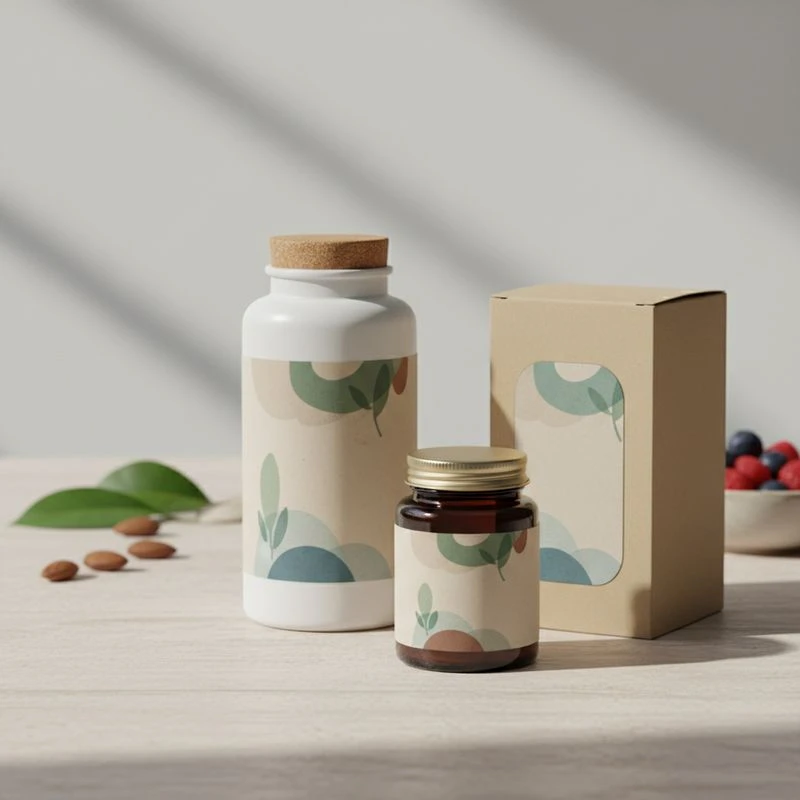
Elevate Your Brand and Ensure Compliance in a Growing Market
Elevating Your Product with Custom Supplement Packaging in South Africa
In the vibrant and rapidly expanding South African health supplement market, custom packaging is not merely an expense; it is a critical investment that defines your brand, captures consumer attention, and builds trust. The takeaway here is simple yet profound: differentiating your product through thoughtful, high-quality custom packaging for health supplements is paramount to standing out on crowded shelves and fostering lasting consumer loyalty. Generic, off-the-shelf solutions simply fail to convey the unique value proposition of your vitamins and supplements, leaving your brand vulnerable in a highly competitive landscape where informed consumers are increasingly scrutinising product integrity and brand ethos.
The reasoning behind this imperative lies in the psychology of consumer perception and the practical demands of the South African retail environment. Consumers are drawn to packaging that not only looks professional and appealing but also clearly communicates benefits and adheres to local sensibilities. High-quality custom packaging signals a commitment to product excellence, implying that if you care about the exterior, you undoubtedly care about the contents. This perception is vital for health supplements, where trust and efficacy are key drivers of purchase decisions. Furthermore, the diverse retail channels in South Africa, from large chain pharmacies to independent health stores, each present unique challenges and opportunities for packaging to perform, making a tailored approach essential. For instance, a premium anti-ageing supplement might benefit from elegant, tactile packaging with sophisticated finishes, while a daily vitamin for children could require bright, durable, and child-friendly designs. Understanding your target demographic and their purchasing environment is crucial for making informed packaging choices that resonate.
To implement truly effective custom packaging for health supplements, start by considering your material choices, finishes, and structural considerations. PET and HDPE plastics remain popular for their durability and cost-effectiveness, with glass options available for a more premium, environmentally conscious feel, though at a higher cost and increased risk of breakage. When selecting materials, assess factors such as barrier properties (protection against moisture, light, and oxygen), recyclability, and ease of handling. Finishes like matte or gloss lamination can drastically alter the tactile and visual appeal of a bottle box, while spot UV varnish can highlight specific design elements, creating a luxurious touch. Structural design is equally important; consider ergonomic shapes for bottles, or innovative tamper-evident seals that reassure consumers of product safety. Sustainability trends are gaining significant traction in South Africa, so exploring options like recycled content, biodegradable materials, or designs that minimise waste can significantly enhance your brand’s appeal. Partnering with a local packaging expert who understands the nuances of material sourcing and printing technologies in SA can provide invaluable guidance, helping you navigate the complexities of material performance, cost-efficiency, and environmental impact. For example, a local brand launching a range of essential oils could opt for dark amber glass bottles with recycled paper labels, communicating both product purity and environmental responsibility, thereby attracting a specific segment of health-conscious consumers.
A common pitfall is opting for generic packaging that fails to distinguish your brand, leading to a diluted market presence. Another risk involves poor material quality that compromises product integrity or gives an impression of cheapness. Moreover, neglecting to include essential regulatory information on the packaging can lead to compliance issues, hindering market entry or resulting in product recalls. The solution to these challenges lies in a strategic, iterative approach to custom packaging design. Begin with thorough market research to understand competitor packaging and consumer preferences. Collaborate closely with experienced packaging designers and manufacturers who have a proven track record in the health supplement sector, especially within the South African context. Request prototypes and conduct small-scale market tests to gather feedback before committing to large production runs. Ensure all design elements are not only aesthetically pleasing but also functional and compliant with local regulations. For instance, a locally produced immune booster might utilise vibrant, natural imagery on its custom bottle box, printed on sustainably sourced card stock, clearly stating its ingredients and benefits in both English and Afrikaans, thus appealing to a broader consumer base while demonstrating cultural sensitivity. By taking these actionable steps, brands can leverage custom packaging to build a strong, trusted identity in the competitive South African health supplement market.
The Strategic Advantage of Custom Bottle Boxes for Vitamins and Supplements
Custom bottle boxes for vitamins and supplements are far more than just protective outer layers; they represent a significant strategic advantage, offering extensive branding real estate, enhanced product information display, and critical tamper-evident features. The key takeaway here is that investing in custom bottle boxes elevates your product from a mere commodity to a premium offering, fostering greater consumer confidence and distinguishing your brand in the competitive South African market. While the primary function of a bottle box is protection, its true value lies in its ability to communicate directly with the consumer, providing vital information and reinforcing your brand’s unique identity before the actual product is even seen.
The reasoning behind this strategic advantage is multifaceted. Firstly, bottle boxes provide a much larger canvas than the bottle label itself. This additional space is invaluable for brands seeking to convey detailed product benefits, elaborate usage instructions, nutritional information, and compelling brand storytelling – elements that might be constrained on a smaller label. In South Africa, where consumers are increasingly health-conscious and seek transparency, providing comprehensive information upfront can be a powerful differentiator. Secondly, a well-designed custom bottle box contributes significantly to the perceived value and premium feel of a product. A sturdy, attractively designed box protects the bottle from damage during transit and handling, but more importantly, it signals quality and care. The tactile experience of opening a well-constructed box can enhance the overall unboxing experience, creating a memorable moment for the consumer. Thirdly, custom boxes offer an additional layer of security through tamper-evident seals or unique structural designs, a crucial aspect for consumer trust in the health supplement industry. This provides peace of mind for both the brand and the consumer, assuring product integrity.
To effectively leverage custom bottle boxes, consider several actionable steps focused on design, print quality, and security features. Structurally, explore options such as die-cut windows to showcase the product bottle, or custom inserts that securely hold the bottle in place while adding to the premium feel. The choice of material for your boxes is critical; consider cardstock thickness (e.g., 250gsm to 400gsm) and finishes like matte, gloss, or soft-touch laminations that resonate with your brand’s image. High-quality print, including vibrant colours and sharp text, is essential for readability and visual appeal. Work with a printer who can achieve precise colour matching to ensure brand consistency across all packaging elements. Integrate security features directly into the box design, such as unique serial numbers, holographic seals, or intricate perforations that clearly indicate if the product has been tampered with. For instance, a brand selling probiotics might use a box with a unique embossed logo and a tamper-evident tab that rips upon opening, alongside clear text detailing the probiotic strains and their benefits in easy-to-understand language. This commitment to both aesthetics and functionality is what elevates a basic box into a powerful marketing and trust-building tool.
One potential pitfall is using flimsy or poorly printed boxes, which can undermine product credibility and appear unprofessional. Another common issue is failing to maximise the available space for vital information or brand messaging, effectively wasting a valuable marketing opportunity. Solutions involve a meticulous approach to material selection and print quality assurance. Always request physical samples or prototypes to assess the structural integrity, print fidelity, and overall feel of the box before mass production. Ensure that all necessary product information, including ingredients, dosage, warnings, and regulatory details, is clearly and legibly printed. Collaborate with packaging designers who specialise in pharmaceutical or health product packaging, as they understand the specific requirements for durability and compliance. A protein powder brand, for example, might opt for a robust, moisture-resistant box with an eye-catching design that not only protects the product but also clearly lists allergen information and protein content, resonating with health-conscious South African gym-goers. By focusing on these elements, custom bottle boxes become a pivotal part of your product’s success story in the dynamic South African market.
| Material Type | Typical Thickness (gsm) | Common Finishes | Key Benefits for SA Market |
|---|---|---|---|
| Folding Carton (SBS/FBB) | 250-400 | Matte, Gloss, Soft-Touch Lamination, Spot UV | Versatile, cost-effective, excellent printability, good for branding. Readily available. |
| Recycled Board (Kraft/Chipboard) | 280-500 | Uncoated, Matte Lamination | Eco-friendly appeal, natural aesthetic, strong sustainability message for conscious consumers. |
| Micro-Flute Corrugated | E-Flute (1.5mm), F-Flute (0.8mm) | Matte, Gloss, Varnish | Superior protection for heavier/fragile bottles, premium feel, ideal for shipping sets. |
This table outlines popular material choices for custom bottle boxes, highlighting their specifications and advantages within the South African health supplement sector. Understanding these options helps brands select packaging that aligns with their product’s needs, brand image, and target market’s expectations regarding quality and sustainability. The choice influences both the visual appeal and the protective qualities of the custom packaging for health supplements.
Mastering B2B Label Printing for Health Supplements in South Africa
For health supplement brands operating in South Africa, mastering B2B label printing is not merely about affixing a name to a bottle; it is an absolute necessity for ensuring compliance, safeguarding brand integrity, and streamlining supply chain efficiency. The core takeaway here is that high-quality, durable, and accurately printed labels are the primary interface between your product, the consumer, and the regulatory authorities. Any compromise in this area can lead to significant financial penalties, damage to brand reputation, and even product recalls, making robust label printing a non-negotiable aspect of your overall custom packaging strategy.
The reasoning behind this critical emphasis on B2B label printing stems from several factors unique to the health supplement sector. Labels are the definitive source of product information, legally required to carry details such as ingredients, dosage instructions, warnings, batch numbers, and expiry dates. In South Africa, adherence to regulations set by bodies like SAHPRA (South African Health Products Regulatory Authority) is strictly enforced, demanding precision and clarity in all printed information. Moreover, labels must withstand various environmental conditions encountered during storage, transport, and retail display – from fluctuating temperatures to humidity and frequent handling – without smudging, peeling, or fading. The legibility and durability of labels directly impact consumer trust; a faded or damaged label can raise doubts about product authenticity and quality. Different printing techniques, such as flexographic for large runs and digital for shorter, customised batches, each offer distinct advantages in terms of cost, speed, and versatility, requiring careful consideration based on a brand’s specific needs.
To achieve mastery in B2B label printing, several actionable steps are crucial. Firstly, meticulously select the right label material; choices range from cost-effective paper labels (often laminated for durability) to more robust filmic materials like BOPP (Biaxially Oriented Polypropylene) or PE (Polyethylene) which offer superior water and chemical resistance, ideal for products exposed to moisture. Secondly, choose an adhesive type suitable for your bottle material and anticipated environmental conditions – permanent adhesives for long-term stick, removable for promotional items, or speciality adhesives for challenging surfaces. Thirdly, partner with a printing house that offers advanced printing methods like flexography for high-volume, consistent runs, or digital printing for its flexibility with variable data (e.g., unique batch numbers, QR codes) and shorter production lead times. Digital printing is particularly useful for small-batch or limited-edition custom packaging for health supplements. Crucially, ensure that your labels are designed to accommodate all necessary data, including barcodes, SAHPRA registration numbers (where applicable), and any specific symbols or logos required by local standards. For example, a brand producing liquid vitamins might opt for a durable, waterproof BOPP label with a strong adhesive to prevent peeling in humid conditions, ensuring that critical dosage instructions remain legible throughout the product’s lifespan.
Potential pitfalls in B2B label printing include smudged or illegible print, labels that peel or blister prematurely, and most critically, labels with non-compliant or inaccurate information. Such errors can lead to costly reprints, regulatory fines, and a damaged brand reputation. The solution involves implementing robust quality control protocols throughout the entire printing process. This includes thorough proofreading of all artwork, colour matching checks, and print run inspections. Always choose a printing partner with certified quality management systems and a deep understanding of health supplement labelling regulations in South Africa. Utilise durable, high-quality materials appropriate for your product’s lifecycle and storage conditions. Furthermore, invest in accurate data management systems to ensure that variable information like batch numbers and expiry dates is correct on every single label. A probiotic brand, for instance, must ensure its labels clearly state the exact strain of bacteria and its colony-forming units (CFUs) in large, readable font, printed with UV-resistant inks to prevent fading under supermarket lighting. By addressing these aspects proactively, brands can ensure their labels are not only visually appealing but also fully compliant and functionally superior, supporting the overall integrity of their custom packaging for health supplements.
| Specification | Parameter Examples | Use Case / Benefit for SA Market | SA Compliance Note |
|---|---|---|---|
| Label Material | Paper (coated/uncoated), BOPP (clear/white), PE, Vinyl | Durability, moisture resistance, premium look. BOPP is popular for health products due to resistance. | Must withstand storage conditions without degradation impacting legibility. |
| Adhesive Type | Permanent, Removable, Repositionable, Freezer Grade | Ensures labels stay affixed in various environments (humidity, cold storage). Permanent is standard. | Adhesive must be suitable for bottle material and product shelf-life. |
| Printing Method | Flexographic, Digital, Screen Printing | Cost-effective for high volumes (Flexo), flexibility for variable data/small runs (Digital). | Method must ensure crisp text, accurate colours, and durability of print. |
| Finishing Options | Lamination (matte/gloss), UV Varnish, Embossing, Foil Stamping | Enhances aesthetics, provides protection against scuffs/moisture, premium feel. | Finishes should not obscure mandatory information. |
| Variable Data Printing | Batch Numbers, Expiry Dates, QR Codes, Serialisation | Essential for traceability, regulatory compliance, and consumer engagement. | Mandatory for product tracking and safety, particularly for health products. |
This table details critical specifications for B2B label printing, providing practical parameters and their relevance to the South African health supplement market. By carefully considering each element, brands can ensure their custom packaging for health supplements meets both aesthetic and functional demands. These specifications are vital for producing labels that are not only attractive but also robust and fully compliant with local regulations.
Ensuring Brand Compliance and Regulatory Adherence in SA Supplement Packaging
Navigating the complex landscape of regulatory requirements for health supplements in South Africa is not merely a bureaucratic hurdle; it is a foundational pillar for market entry, consumer safety, and sustained brand credibility. The critical takeaway here is that ensuring meticulous brand compliance and regulatory adherence in your custom packaging is paramount to avoiding legal repercussions, safeguarding public health, and establishing your product as trustworthy in the eyes of both consumers and authorities. Non-compliance can lead to severe penalties, including fines, product recalls, and irreparable damage to your brand’s reputation, making it an area where proactive and expert attention is absolutely essential.
The reasoning behind such stringent requirements lies in consumer protection and public health. Health supplements are consumed with the expectation of benefit, and inaccurate claims, undeclared ingredients, or improper dosage instructions can pose significant risks. In South Africa, the South African Health Products Regulatory Authority (SAHPRA) is the primary body overseeing health product registration and labelling, with specific guidelines for supplements. These regulations dictate everything from ingredient lists and nutrient claims to therapeutic claims and warning statements. Brands must ensure that all information on their custom packaging for health supplements is accurate, unambiguous, and not misleading. Furthermore, the diverse linguistic landscape of South Africa often requires careful consideration of language usage, with English typically being mandatory, and the option to include other official languages depending on target demographics. Understanding these nuances is vital to successfully integrate your products into the local market without legal or ethical challenges.
To ensure robust brand compliance and regulatory adherence, implement a structured, step-by-step approach. Firstly, conduct a thorough audit of all ingredients and claims, ensuring they are scientifically substantiated and align with SAHPRA guidelines for health supplements. Any therapeutic claims must be justified and, in some cases, might require product registration. Secondly, ensure your custom packaging for health supplements clearly includes all mandatory information: a comprehensive list of ingredients (including allergens), recommended dosage, specific warnings (e.g., for pregnant women, children, or those with certain medical conditions), the manufacturer’s name and address, batch number, and expiry date. The SAHPRA registration number, if applicable to your product category, must also be prominently displayed. Thirdly, pay close attention to the hierarchy and legibility of this information; critical details should not be hidden in small print or obscure locations. Consider language requirements; while English is standard, including information in other widely spoken languages like Afrikaans or isiXhosa can enhance accessibility and demonstrate cultural sensitivity, though this should be managed carefully to avoid clutter. For example, a local immune booster might feature a clear table of ingredients, followed by concise dosage instructions, and a prominent SAHPRA disclaimer, all presented in a legible font size.
A significant pitfall is the use of misleading claims or incomplete information on packaging, which can trigger regulatory scrutiny and erode consumer trust. Another common issue is failing to stay updated with evolving SAHPRA regulations, leading to outdated packaging that suddenly becomes non-compliant. Solutions involve proactive measures and expert collaboration. Engage legal experts or regulatory consultants specialising in South African health product compliance to review all packaging artwork and claims before printing. Establish a system for continuously monitoring SAHPRA updates and industry best practices. Partner with packaging suppliers who have a strong track record of compliance and can advise on best practices for incorporating mandatory elements into your custom packaging for health supplements design. Consider mock-ups and proofs to verify that all information is correctly placed and readable. For instance, a brand launching a new range of children’s vitamins would ensure that the packaging not only includes a clear warning about keeping it out of reach of children but also accurately details the precise vitamin content per serving, tailored to the specific needs and regulations for paediatric supplements in South Africa. By meticulously following these guidelines, brands can confidently bring compliant and trusted health supplements to the South African market.
| Compliance Item | Requirement Detail | SAHPRA Relevance | Action for Brands |
|---|---|---|---|
| Ingredient List | Comprehensive list, descending order of weight. Specify allergens. | Mandatory for product safety and consumer information. | Verify all ingredients and quantities with formulation documents. Clearly mark allergens. |
| Nutrient Claims | Must be scientifically substantiated and not misleading. | Regulated to prevent false advertising and ensure consumer trust. | Obtain scientific evidence for all claims. Avoid hyperbolic or unsubstantiated statements. |
| Dosage Instructions | Clear, unambiguous daily dose and method of administration. | Essential for safe and effective product use. | Provide precise instructions, considering target age/demographic. |
| Warnings/Precautions | Specific warnings (e.g., pregnancy, children, existing conditions). | Crucial for consumer safety and liability. | Include all relevant warnings prominently. Seek regulatory advice if unsure. |
| Batch Number & Expiry Date | Clearly legible and durable. | Mandatory for traceability and product recall procedures. | Integrate variable data printing for these elements, ensuring durability. |
| Manufacturer Info | Name, physical address of manufacturer/distributor. | Identifies responsible party for product accountability. | Ensure full, accurate contact details are present. |
| Language | English is mandatory; other official languages optional but recommended for accessibility. | Ensures broad understanding across the diverse South African population. | Prioritise clarity in English. Consider other languages based on target market. |
This table provides a comprehensive checklist of essential compliance items for health supplement packaging in South Africa, aligning with SAHPRA’s focus on consumer safety and accurate information. By addressing each point, brands can ensure their custom packaging for health supplements meets all regulatory benchmarks, building trust and mitigating risks. Adhering to these requirements is fundamental for legal operation and market acceptance.
The Art of Design: Crafting Impactful Custom Packaging for SA Supplements
In a market as dynamic and diverse as South Africa’s health supplement sector, exceptional design transforms custom packaging from a mere container into a powerful marketing tool that genuinely resonates with the local consumer. The ultimate takeaway is that strategic, aesthetically pleasing, and culturally aware design is paramount for capturing attention, building brand recognition, and conveying the quality and purpose of your health supplements. A well-designed package is often the first, and sometimes only, opportunity to make a lasting impression, differentiating your product from countless competitors and forging an instant connection with potential buyers.
The reasoning behind prioritising design lies deep in consumer psychology and market dynamics. Design elements like colour, typography, imagery, and brand storytelling evoke emotions, communicate values, and influence purchasing decisions long before a product is even physically handled. In South Africa, a country rich in cultural diversity and varying consumer preferences, a ‘one-size-fits-all’ design approach is often ineffective. Understanding your target demographics – whether urban professionals, rural communities, health-conscious millennials, or traditional medicine users – allows for the creation of designs that speak directly to their needs and aspirations. For instance, vibrant, earthy tones and patterns might appeal to a market segment seeking natural or traditional remedies, while sleek, minimalist designs could attract consumers looking for modern, science-backed solutions. Good design isn’t just about looking pretty; it’s about clarity of communication, hierarchical organisation of information, and creating an overall brand identity that is cohesive, memorable, and trustworthy. The visual language of your custom packaging for health supplements must seamlessly blend appeal with professionalism.
To master the art of design for your custom packaging for health supplements, several actionable steps are essential. Begin by conducting thorough market research to understand your target audience’s aesthetic preferences, cultural sensitivities, and lifestyle choices. This insight will inform your colour palette, imagery, and font selections. Choose colours that evoke the desired emotions and align with your product’s benefits (e.g., greens for natural, blues for calm, yellows for energy). Select typography that is legible, professional, and reflects your brand’s personality, ensuring it works well across various packaging sizes and formats. Incorporate high-quality, relevant imagery that tells a story or highlights key ingredients, while always ensuring it’s culturally appropriate for the South African context. Develop a strong, cohesive brand identity that is consistently applied across all product lines and marketing materials. This includes your logo, brand guidelines, and visual elements that make your product instantly recognisable. For example, a brand offering traditional African herbal supplements might integrate indigenous patterns and natural imagery, using an earthy colour palette, while ensuring all text is clear and readable. Conversely, a brand launching an innovative nootropic could opt for a minimalist, modern design with metallic accents and clean lines, targeting a tech-savvy urban demographic seeking cognitive enhancement.
A common pitfall in packaging design is creating a cluttered or generic look that fails to stand out or communicate effectively, or conversely, designing something too niche that alienates a broader audience. Another challenge is poor colour reproduction that results in dull or inconsistent branding across different batches. Solutions involve strategic partnerships and rigorous testing. Engage professional graphic designers who specialise in packaging and have a proven understanding of the South African market. Request multiple design concepts and provide constructive feedback to refine the chosen direction. Utilise mock-ups and 3D renderings to visualise the final product before committing to production, allowing you to identify any aesthetic or functional issues early on. Conduct small-scale consumer focus groups to gauge initial reactions to your packaging designs, gathering invaluable feedback. Ensure that your chosen printing partner can accurately reproduce your brand colours and intricate design details, by providing them with precise colour codes (e.g., Pantone references). By meticulously focusing on these design principles and collaborating with skilled professionals, your custom packaging for health supplements will not only attract but also convert and retain customers in the vibrant South African market, embodying your brand’s promise and quality.
