
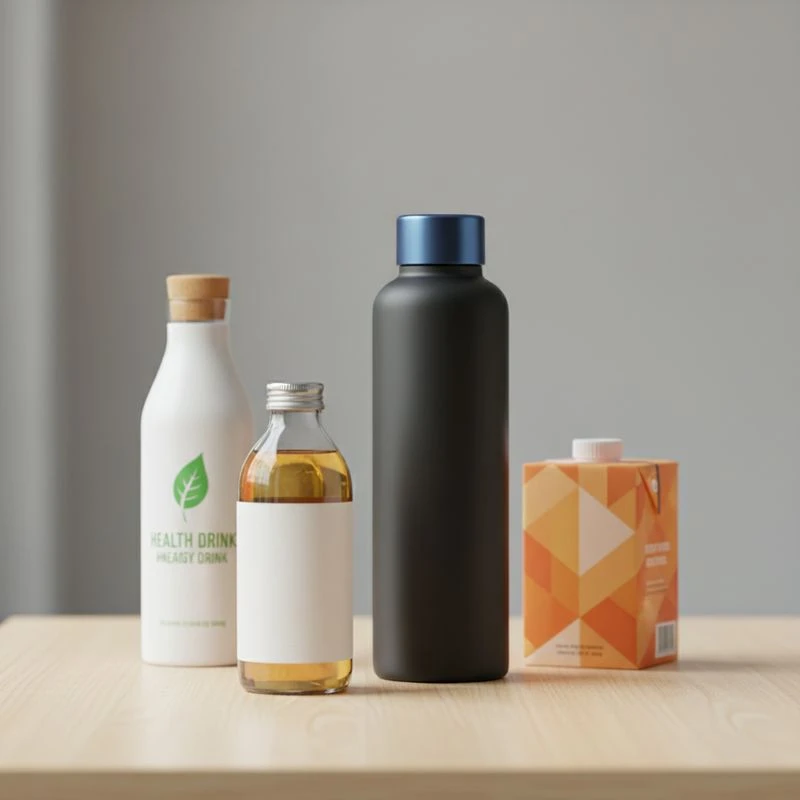
Unlocking Market Success Through Strategic Design and Material Innovation
In South Africa’s vibrant and increasingly health-conscious market, the shelves are brimming with options for health and energy drinks. Standing out in this competitive landscape isn’t just about the quality of what’s inside the bottle; it’s profoundly about how it’s presented. This is where the power of custom packaging comes into play, transforming a simple beverage into a compelling brand experience that resonates with consumers and drives purchasing decisions. For any brand looking to make a significant impact, investing in thoughtfully designed packaging is not merely an expense, but a strategic imperative. It communicates your brand’s values, attracts your target audience, and ultimately dictates your product’s perceived value and shelf longevity. Understanding the unique dynamics of the South African consumer and retail environment is critical to crafting packaging that truly performs.
Drink Packaging
The first interaction a consumer has with your health or energy drink is almost always through its packaging. In the bustling South African market, where choices abound and consumer loyalty is hard-won, effective drink packaging is your silent salesperson on the shelf. The primary takeaway here is that custom packaging for health drink and energy brands must be an extension of your product’s promise, clearly communicating benefits, brand values, and catering to the practical needs of the consumer. This requires a deep understanding of your target demographic, whether they are fitness enthusiasts, busy professionals, or health-conscious families, as their lifestyle will dictate packaging preferences, from portability to reusability.
The reasoning behind this criticality stems from several factors. Firstly, visual appeal: a striking design, vibrant colours, and an engaging logo immediately capture attention in a crowded aisle. Secondly, functional utility: packaging must protect the product, ensure its freshness, and be easy to open, hold, and consume. Consider the active consumer of an energy drink; they need something that fits comfortably in a gym bag, withstands minor impacts, and can be resealed for on-the-go consumption. For a delicate health juice, the packaging might prioritize light protection and maintain a premium feel. Lastly, brand storytelling: the packaging is a canvas to convey your brand’s unique narrative, its commitment to health, sustainability, or local sourcing, which can build an emotional connection with consumers. Pitfalls often arise when brands overlook market research, leading to generic designs that fail to differentiate, or choose materials that don’t align with their target consumer’s values or product requirements. For instance, using non-recyclable plastic for an “eco-friendly” health drink can be a significant misstep in a market increasingly sensitive to environmental issues.
To navigate these challenges, actionable steps include conducting comprehensive market research to identify consumer preferences and competitor strategies within the South African context. Engage with packaging designers who understand both aesthetic appeal and practical considerations, ensuring your design is not only beautiful but also manufacturable and cost-effective. Consider the entire product lifecycle, from production and distribution to consumer use and disposal. Collaborating with local packaging suppliers can offer insights into regional material availability, cost efficiencies, and compliance with South African regulatory standards. Practical examples range from sleek, ergonomic bottles for sports drinks that fit perfectly in hand during a run, to multi-layered cartons that extend the shelf life of probiotic health shots, or compact, resealable pouches designed for nutrient-rich powdered energy blends. Each format serves a specific purpose, demonstrating how thoughtful packaging goes beyond mere containment to enhance the entire product experience. Selecting the right packaging format involves balancing cost, sustainability, shelf life requirements, and consumer convenience, a complex decision that warrants careful consideration.
| Packaging Format | Pros for SA Market | Cons for SA Market | Ideal Product Type |
|---|---|---|---|
| PET Plastic Bottles | Lightweight, shatterproof, versatile design, widely recycled (where infrastructure exists), cost-effective. | Perceived environmental impact, potential for plastic taste transfer with certain liquids. | Juices, sports drinks, protein shakes, mass-market energy drinks. |
| Aluminum Cans | Excellent barrier properties, lightweight, highly recyclable, premium perception for some segments, rapid cooling. | Limited re-sealability for larger sizes, can dent, potentially higher cost than PET. | Energy drinks, sparkling health drinks, small-batch craft beverages. |
| Aseptic Cartons | Extended shelf life without refrigeration, good for stacking, often made with renewable materials, perceived as sustainable. | Complex recycling process (multi-material), design limitations compared to bottles. | Long-life juices, dairy-free health drinks, nutrient-dense meal replacements. |
| Glass Bottles | Premium perception, excellent barrier properties (no taste transfer), infinitely recyclable, good for showcasing natural colours. | Heavy, fragile, higher transport costs, perceived safety risk in some environments. | Premium cold-pressed juices, artisanal health shots, high-end detox beverages. |
This table illustrates the diverse options available for custom packaging for health drink and energy brands in South Africa, each presenting unique advantages and disadvantages based on product type, target market, and sustainability goals. Brands must weigh these factors carefully, considering the full supply chain and consumer journey to select the most appropriate format that aligns with their strategic objectives and enhances their market position.
Bottle Design
Beyond the choice of packaging format, the specific bottle design plays an indispensable role in defining your health or energy drink’s identity and its interaction with the consumer. The core takeaway here is that an effective bottle design acts as a tactile brand ambassador, communicating quality, functionality, and aesthetic appeal even before the first sip. In the dynamic South African market, where consumers are increasingly discerning, a well-thought-out bottle can command attention, convey a sense of premium quality, and ultimately foster brand loyalty. It’s not just about looking good; it’s about feeling good in the hand, performing its function flawlessly, and reinforcing the brand’s narrative through its physical form.
The reasoning behind prioritizing meticulous bottle design is multifaceted. Ergonomics are paramount; a bottle should be comfortable to hold, easy to grip, and facilitate effortless pouring or drinking, especially for products consumed on the move or during physical activity. Aesthetics contribute significantly to shelf appeal, influencing impulse purchases and brand recall. A unique shape, a distinct texture, or a particular cap design can differentiate your product from a sea of competitors. Material choice also falls under bottle design, impacting not only the look and feel but also the product’s shelf life, sustainability credentials, and overall cost. For example, a clear glass bottle might evoke purity for a natural health drink, while a robust, opaque PET bottle offers durability for an outdoor energy beverage. Practical examples abound: a bottle with an integrated handle for a larger sports drink, a slender design that fits car cup holders, or a resealable cap that prevents spills, all contribute to a superior user experience. Pitfalls in this area often include designs that are visually appealing but impractical to manufacture, difficult to fill, or unstable for stacking and transport. Another common error is failing to consider the consumer’s interaction with the bottle post-purchase, such as ease of recycling or reuse, which can negatively impact brand perception in an environmentally conscious market.
To ensure a successful bottle design, a systematic approach is essential. Begin with conceptual sketching, exploring various forms and functions that align with your brand identity and target audience. Progress to 3D modeling and rapid prototyping to create physical samples that can be tested for ergonomics, stability, and aesthetic appeal. This iterative process allows for refinements before committing to expensive tooling. It’s crucial to collaborate closely with manufacturing partners from the outset, adopting a “design for manufacturing” (DFM) approach to ensure that your innovative design can be produced efficiently and cost-effectively at scale in the South African context. Consider material innovations like rPET (recycled PET) or bio-based plastics to enhance your brand’s sustainability profile, which is increasingly valued by local consumers. Implementing consumer focus groups for feedback on prototypes can provide invaluable insights into how the design is perceived and used in real-world scenarios. Addressing potential pitfalls involves rigorous testing for durability, thermal stability, and leak prevention. By combining creative vision with practical engineering and a keen understanding of consumer behavior, custom packaging for health drink and energy brands can truly stand out, offering a tangible, appealing, and functional product that delights consumers.
B2B Branding
While consumer appeal is undeniably crucial, effective custom packaging for health drink and energy brands also extends significantly into the realm of B2B branding, influencing how your product is perceived and handled by retailers, distributors, and logistics partners in South Africa. The core takeaway here is that packaging must be designed not only to attract the end-consumer but also to facilitate seamless integration into the supply chain, optimise retail display, and strengthen your brand’s professional relationships. In a competitive market, where shelf space is at a premium and operational efficiency dictates profitability, packaging that caters to B2B needs can be a powerful differentiator, fostering loyalty among trade partners and ensuring your product consistently reaches the consumer in optimal condition.
The reasoning behind this focus on B2B branding in packaging is multi-layered. Firstly, retailer appeal: your packaging needs to be ‘shelf-ready’ or easily adaptable for attractive in-store displays, minimizing the effort required from store staff. This includes clear branding on outer cartons, easy-open features, and configurations that fit standard shelving units. Secondly, logistics and handling efficiency: packaging should be robust enough to withstand the rigours of transport and storage across South Africa’s varied infrastructure, preventing damage and spoilage. Pallet configurations, carton dimensions, and overall weight considerations all impact shipping costs and handling ease. Thirdly, inventory management: clear, concise labelling on secondary and tertiary packaging, including barcodes and product information, is vital for distributors and retailers to manage stock effectively, reduce errors, and ensure product traceability. Practical examples include designing outer cases that transform into point-of-sale displays, or using modular packaging that allows for flexible merchandising options. Pitfalls often include generic bulk packaging that ignores retail display needs, leading to products being hidden or poorly presented, or fragile transit packaging that results in damaged goods, incurring significant costs and harming supplier relationships. Overlooking the need for multilingual labelling on transit packaging for regions with diverse language profiles can also create operational bottlenecks.
To master B2B branding through packaging, a strategic approach is necessary. Collaborate closely with your distribution partners and key retailers from the initial design phase to understand their specific requirements for handling, storage, and display. This co-creation process can lead to innovative solutions such as shelf-ready packaging (SRP) that reduces labor costs for retailers, or optimised palletisation schemes that maximize shipping efficiency. Invest in robust secondary and tertiary packaging materials that offer superior protection during transit, considering South Africa’s sometimes challenging logistics environment. Conduct transit testing to simulate real-world conditions, identifying potential weaknesses before products hit the supply chain. Ensure that all bulk packaging is clearly labelled with essential product information, including batch numbers, expiry dates, and handling instructions, improving inventory accuracy and reducing human error. Providing high-quality digital assets and clear merchandising guidelines to retailers also supports consistent brand presentation. By actively designing packaging with your B2B partners in mind, you not only protect your product but also position your brand as a reliable and easy-to-do-business-with supplier, leading to stronger partnerships and sustained market growth for your custom packaging for health drink and energy brands.
| Aspect | Description | Benefit for Health/Energy Drink Brands (SA) |
|---|---|---|
| Shelf-Ready Packaging (SRP) | Out-of-box display units that go directly onto shelves. | Reduces retailer labor, faster merchandising, consistent brand presentation at POS. |
| Pallet Optimization | Designing cartons to fit standard pallets efficiently, minimizing wasted space. | Lower shipping costs, improved logistics efficiency, reduced product damage during transport. |
| Clear Labelling & Barcoding | Prominent EAN/UPC codes, product descriptions, batch numbers on outer cartons. | Faster inventory management, reduced errors, improved traceability across the supply chain. |
| Robust Material Choice | Using durable corrugated board, appropriate inserts, and sealing methods for transit. | Minimizes product damage, enhances brand reputation for quality, reduces returns. |
| Stackability & Stability | Packaging designed to stack securely without crushing lower units. | Efficient warehouse storage, safer handling, prevents product deformation. |
This table highlights crucial design elements for custom packaging for health drink and energy brands that extend beyond consumer appeal to optimise B2B operations. By focusing on these aspects, brands can build stronger relationships with their supply chain partners, ensuring their products are handled efficiently, displayed prominently, and ultimately reach the consumer in perfect condition.
Material Innovation
In the evolving landscape of health and energy drinks in South Africa, material innovation in packaging is no longer a niche concern but a central pillar of competitive advantage and brand responsibility. The key takeaway is that embracing sustainable and advanced materials for custom packaging for health drink and energy brands can significantly enhance brand perception, meet growing consumer demand for eco-friendliness, and potentially drive long-term cost efficiencies. As environmental consciousness grows among South African consumers and regulatory pressures increase, brands that proactively adopt innovative and responsible material choices will distinguish themselves as leaders, aligning with contemporary values and securing future market relevance.
The reasoning behind this imperative is clear. Consumers, particularly younger demographics, are increasingly scrutinizing the environmental footprint of the products they purchase. Brands that demonstrate a tangible commitment to sustainability through their packaging materials often earn greater trust and loyalty. Furthermore, material innovation can lead to functional improvements, such as enhanced barrier properties for extended shelf life, lighter weights for reduced transport costs, or improved recyclability that supports a circular economy. Practical examples include the use of rPET (recycled PET) for bottles, which reduces reliance on virgin plastics and lowers carbon emissions, or bio-based plastics derived from renewable resources like sugarcane. Aluminum cans, known for their infinite recyclability and excellent barrier protection for energy drinks, continue to gain traction. Aseptic cartons, often made from a high percentage of renewable paperboard, also offer compelling sustainability narratives. Pitfalls include ‘greenwashing,’ where brands make unsubstantiated or misleading environmental claims, which can severely damage credibility. Another challenge is the higher initial cost of some innovative materials or the lack of established recycling infrastructure for certain novel materials within parts of South Africa, which can complicate collection and reprocessing efforts. Moreover, ensuring that new materials maintain product integrity and safety without negatively impacting taste or shelf life is a critical consideration.
To effectively leverage material innovation, brands should adopt several actionable steps. Start by conducting a thorough Life Cycle Assessment (LCA) of current packaging to identify environmental hotspots and areas for improvement. Explore partnerships with local suppliers and research institutions in South Africa that are at the forefront of sustainable packaging development, such as those specializing in rPET production or advanced recycling technologies. Consider a phased approach to material transition, perhaps starting with a percentage of recycled content and gradually increasing it as supply chains mature and costs become more competitive. Communicate your sustainability efforts transparently and authentically to consumers, educating them on the benefits of your chosen materials and how to properly dispose of them. For instance, clearly indicating the percentage of recycled content or providing instructions on local recycling options can empower consumers to participate in the circular economy. Addressing potential pitfalls involves rigorous testing of new materials to ensure they meet performance standards for product protection, shelf life, and compatibility with the beverage formulation. Investing in consumer education campaigns can also help overcome skepticism about new materials and foster greater acceptance. By strategically integrating material innovation into their custom packaging for health drink and energy brands, companies can not only reduce their environmental impact but also build a stronger, more resilient, and future-proof brand that resonates deeply with conscious consumers.
Labelling
The label on your health or energy drink is far more than just a decorative element; it is a critical communication tool that builds brand trust, ensures regulatory compliance, and informs consumer choice in the competitive South African market. The primary takeaway here is that meticulously designed and accurately informative labelling for custom packaging for health drink and energy brands is absolutely essential for brand credibility, legal adherence, and driving purchase decisions. In a market where consumers are increasingly health-conscious and regulators are vigilant, your label serves as the definitive source of truth about your product, making its design, content, and material choice paramount to success.
The reasoning for this importance is multifaceted. Firstly, regulatory compliance: South Africa has specific regulations for food and beverage labelling, including requirements for nutritional information, ingredient lists, allergen declarations, expiry dates, and country of origin. Non-compliance can lead to hefty fines, product recalls, and severe brand reputation damage. Secondly, consumer information: Labels provide vital details that help consumers make informed choices, such as health claims (e.g., “high in Vitamin C,” “no added sugar”), energy content, and usage instructions. Clear, legible text and intuitive design are crucial to convey this information effectively. Thirdly, brand storytelling and visual appeal: The label is a prime canvas for reinforcing your brand identity, showcasing your logo, chosen colour palette, and unique selling propositions. A well-designed label can evoke emotions, communicate premium quality, or signal a fun, energetic vibe, directly impacting shelf standout. Pitfalls often include cluttered designs that overwhelm the consumer, inaccurate or non-compliant nutritional information, poor print quality that compromises legibility, or label materials that peel, fade, or get damaged under various environmental conditions, particularly in South Africa’s diverse climates. A common error is assuming that a design that works in one market will automatically comply or resonate in another.
To ensure your labelling is both effective and compliant, a structured approach is recommended. Begin with a thorough review of all relevant South African food and beverage labelling regulations to ensure every mandatory piece of information is included and correctly formatted. Engage professional graphic designers who specialize in packaging to create a label that is visually appealing, aligned with your brand, and clearly communicates key information without being overcrowded. Consider the type of label material (e.g., paper, film, clear film) and printing technique (e.g., flexography, digital printing) based on your budget, desired aesthetic, durability needs, and the specific material of your custom packaging for health drink and energy brands. For instance, a clear label on a uniquely shaped bottle can give a “no-label look,” highlighting the product itself, while a textured paper label might convey an artisanal, natural feel. Practical steps also involve rigorous proofreading and legal review of all label copy before mass production to catch any errors or compliance issues. Utilizing QR codes on labels can be an innovative way to provide extended content, such as detailed nutritional breakdowns, recipes, brand story videos, or sustainability initiatives, without cluttering the physical label. Always conduct testing for label adhesion and durability under various conditions, including refrigeration, moisture exposure, and handling, to ensure the label remains intact and presentable throughout the product’s lifecycle. By paying meticulous attention to these details, your labels will not only meet legal requirements but also become powerful tools for engaging consumers and building lasting brand loyalty.
| Label Element | Purpose & Importance | Considerations for SA Market |
|---|---|---|
| Product Name & Brand Logo | Immediate identification, brand recognition, and recall. | Must be prominent, unique, and culturally appropriate. |
| Nutritional Information Panel | Mandatory disclosure of energy, protein, carbs, fats, sodium per serving/100ml. | Strict compliance with South African R146 regulations; clear, legible format. |
| Ingredient List | Full disclosure of all ingredients in descending order of weight. Allergen declaration. | Highlight common allergens (e.g., nuts, dairy) according to SA law; specify sources. |
| Health Claims / Benefits | Communicates product advantages (e.g., “High in Vitamin C,” “Sugar-Free”). | Must be scientifically substantiated and approved by regulatory bodies to avoid greenwashing. |
| Net Content (Volume) | Indicates the amount of product in the package (e.g., 330ml, 500ml). | Standard units of measure (ml/L) as per SA Weights & Measures Act. |
| Batch Number & Expiry Date | Ensures traceability and product safety; critical for recalls. | Clear, indelible printing; often integrated into manufacturing process. |
| Manufacturer/Distributor Details | Contact information for the brand responsible for the product. | Physical address in South Africa required if manufactured or distributed locally. |
| Storage Instructions | Guidance on how to maintain product quality (e.g., “Refrigerate after opening”). | Important for consumer safety and product integrity, especially in varying climates. |
| Recycling Information | Guidance on how to dispose of the packaging responsibly. | Use recognisable SA recycling symbols and local instructions for specific materials. |
This table outlines the crucial labelling components for custom packaging for health drink and energy brands, emphasizing their purpose and specific considerations within the South African market. Adhering to these guidelines ensures both legal compliance and effective communication, building consumer trust and fostering responsible consumption practices.
