
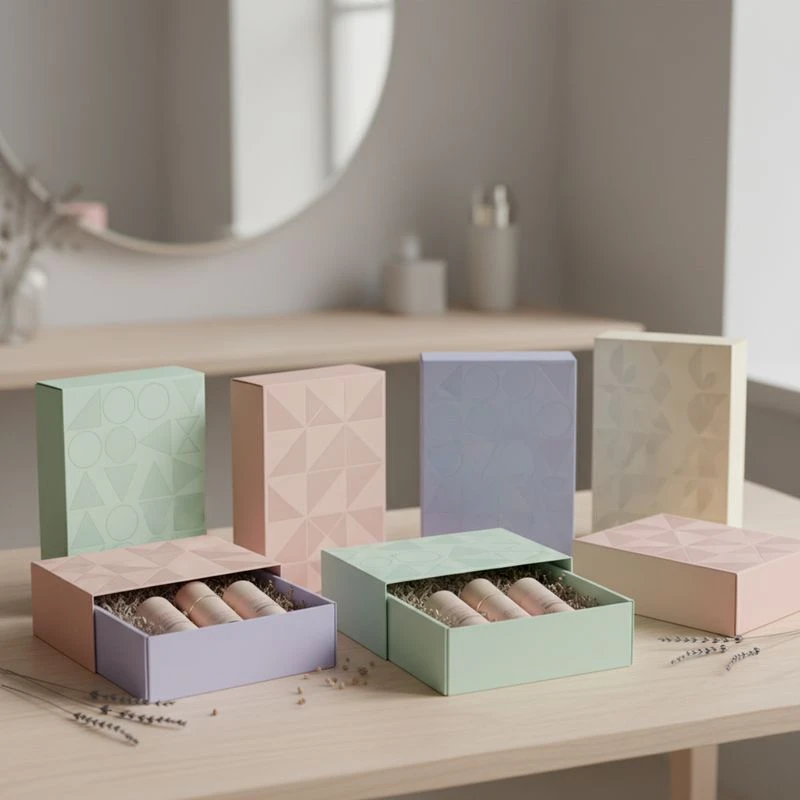
Mastering the Art of Unforgettable Beauty Deliveries in a Competitive Market
Beauty Subscription Packaging
In the burgeoning South African cosmetic subscription market, where consumers are increasingly seeking curated beauty experiences, custom packaging is not merely an expense but a critical strategic investment. For businesses navigating this vibrant landscape, the immediate takeaway is clear: high-quality, bespoke packaging fundamentally elevates your brand, directly impacting customer retention and the perceived value of your products. This is especially true in a region where personal connection and authenticity resonate deeply with consumers. Generic, uninspired packaging diminishes the luxury and anticipation inherent in receiving a monthly beauty box, turning what should be an exciting reveal into a mundane delivery. Custom packaging, conversely, serves as a powerful tangible extension of your brand identity, meticulously protecting your valuable products while ensuring your offering stands head and shoulders above the competition.
The reasoning behind this imperative lies in the psychology of the subscription model. Subscribers commit to an ongoing relationship with your brand, and each delivery is a renewal of that commitment. In South Africa, where brand loyalty is earned through consistent quality and a unique value proposition, custom packaging acts as a silent, yet highly effective, brand ambassador. It communicates attention to detail, a premium ethos, and a commitment to providing an exceptional experience from the moment the package arrives. Furthermore, considering South Africa’s diverse climates and sometimes challenging logistical routes, robust packaging is paramount to ensure products arrive intact, preventing costly damages and safeguarding customer satisfaction. Brands that overlook the protective aspect of packaging risk not only their reputation but also significant financial losses.
To truly leverage the power of custom packaging, several actionable steps are essential. First, meticulously define or re-evaluate your brand identity. What story does your cosmetic brand tell? What are its core values, and what unique cultural or natural elements of South Africa do you wish to embody? Your packaging must visually articulate this narrative. Second, embark on researching and partnering with local South African packaging suppliers. These partners possess invaluable knowledge of local logistics, material availability, sustainable sourcing options, and an understanding of consumer preferences. This local expertise can be a game-changer. Third, prioritize product protection above all else. Custom inserts, durable outer boxes, and appropriate cushioning are non-negotiable to ensure products survive transit in pristine condition. Finally, critically assess materiality. Explore eco-friendly options such as recycled cardboard, biodegradable starch-based inserts, or even reusable components. The South African consumer base is increasingly environmentally conscious, and integrating sustainable practices into your packaging design can significantly enhance brand appeal. For instance, a brand championing natural, indigenous SA ingredients could use earthy tones, textured recycled paper, and minimalist designs that speak to sustainability and authenticity. Conversely, a luxury brand might opt for soft-touch finishes, elegant foil stamping, and magnetic closures to convey exclusivity.
Potential pitfalls in this journey include overlooking product protection, which can lead to widespread customer complaints and irreparable brand damage. The solution involves rigorous drop tests and transit simulations with your chosen packaging before commencing mass production. Another common pitfall is underestimating the lead times required for custom design, prototyping, and production, potentially causing significant delays in subscription deliveries. Proactive planning, clear communication with your supplier, and building buffer time into your schedule are crucial solutions. Lastly, falling into the trap of generic design fails to differentiate your brand in a crowded market. The solution here is to invest in professional graphic and structural design that truly embodies your unique selling proposition and resonates deeply with your target demographic in South Africa, ensuring your custom packaging for cosmetic subscription boxes for South Africa creates a memorable first impression.
| Material Type | Benefits | Potential Drawbacks | Ideal For |
|---|---|---|---|
| Corrugated Cardboard | Excellent shock absorption, lightweight, cost-effective, widely recyclable in South Africa, customisable printing. | Can appear less luxurious without additional finishes, susceptible to water damage if not treated, requires inserts for smaller items. | Mass-market subscriptions, brands prioritising cost-effectiveness and eco-friendliness, robust protection for varied product sizes. |
| Rigid Boxes | Premium feel, highly durable, luxury aesthetic, strong protection for delicate items, allows for intricate designs and finishes. | Higher cost, heavier, less space-efficient for shipping, recycling can be more complex due to multi-material construction. | High-end, luxury cosmetic subscriptions, gift boxes, brands aiming for a significant unboxing experience. |
| Flexible Pouches/Bags | Very lightweight, minimal storage space, lower shipping costs, good for small, non-fragile items, can be eco-friendly (e.g., compostable options). | Limited protection against impact, not suitable for liquid or glass containers, less ‘premium’ perceived value unless combined with other packaging. | Supplementary packaging within a box, samples, travel-sized products, brands focused on ultimate cost and weight reduction. |
| Eco-Friendly Options | Biodegradable, compostable, recycled content, supports brand sustainability efforts, appeals to growing environmentally conscious South African consumer base. | Can sometimes be more expensive, material availability might vary, certain eco-materials may have different aesthetic finishes, requires consumer education for proper disposal. | All brands aiming for sustainability, premium organic/natural cosmetic lines, appeal to eco-conscious segments of the South African market. |
This table provides a concise comparison of common packaging materials relevant to Custom Packaging for Cosmetic Subscription Boxes for South Africa. Understanding these options is crucial for brands to balance cost, aesthetics, protection, and sustainability, ensuring the chosen material aligns perfectly with their brand ethos and target market expectations within the diverse South African landscape. The right choice can significantly enhance the perceived value and environmental appeal of your subscription offering.
Monthly Box
The recurring nature of a monthly subscription box for cosmetics in South Africa presents a unique set of opportunities and challenges for packaging. The primary takeaway here is that your packaging strategy must meticulously balance excitement and novelty with unwavering brand consistency and logistical efficiency. Each monthly delivery should be transformed into a delightful, anticipated event, fostering a deeper connection with your subscribers. This recurring touchpoint is vital; it’s an ongoing affirmation of a customer’s decision to subscribe, and a chance to continually reinforce their loyalty.
The reasoning behind this nuanced approach is rooted in preventing subscription fatigue. Subscribers are making a long-term commitment, and while the products themselves are key, the presentation significantly contributes to the overall experience. Inconsistent branding, flimsy packaging that underwhelms, or a complete lack of creative variation from one month to the next can lead to a feeling of predictability and ultimately, churn. Conversely, a consistently impressive, yet subtly varied, monthly delivery fosters genuine loyalty. It makes subscribers feel valued, excited for what’s next, and often prompts them to share their unboxing experience on social media, generating invaluable organic marketing for your brand. In the competitive South African market, where consumers have an increasing array of choices, maintaining this monthly delight factor is paramount for sustained growth.
To achieve this, several actionable steps are recommended for your Custom Packaging for Cosmetic Subscription Boxes for South Africa. First, strategically introduce seasonal or themed variations into your packaging design. These don’t need to be radical overhauls; subtle changes each month or quarter can align with local seasons, holidays, or specific beauty themes relevant to the South African calendar. Imagine a “Summer Glow” box featuring bright, vibrant colours inspired by the coast, or a “Winter Comfort” box with softer textures and warm, muted tones. This approach keeps the experience fresh without excessive cost. Second, while embracing variation, ensure your core brand identity – your logo, primary colour palette, and typography – remains steadfastly consistent. This continuity guarantees instant brand recognition, even with thematic adjustments. Third, optimise your packaging for repeat shipments. Design elements that are robust enough to withstand multiple transit cycles (should customers choose to reuse components) and, crucially, are efficient for your packing team to assemble quickly each month. Consider the ‘cube’ size of your box for optimal shipping cost efficiency within South Africa’s postal system. Fourth, incorporate small, interactive elements. A QR code linking to a monthly product tutorial, exclusive content, or even a quick survey can add an engaging layer to the unboxing experience.
Potential pitfalls in managing monthly box packaging include over-complicating variations, which can lead to escalating production costs and logistical nightmares. A practical solution is to focus on cost-effective changes such as different coloured tissue paper, custom-designed stickers, themed inserts, or varying ribbons, rather than redesigning the entire box structure every month. Another common pitfall is neglecting product security in the pursuit of novelty. It’s crucial that internal inserts and protective elements are adaptable to various product assortments while never compromising their primary function of safeguarding contents. Lastly, failing to actively track customer feedback on monthly packaging design and functionality is a missed opportunity. Implement a simple feedback mechanism within each box or follow up with a post-delivery email survey to gather insights, allowing you to continually refine future designs to perfectly match the expectations of your South African audience. This iterative approach ensures your monthly subscription remains a cherished and anticipated delivery.
B2B Branding
For cosmetic subscription boxes operating within a B2B model in South Africa, or those targeting business clients for corporate gifting, employee wellness, or influencer collaborations, custom packaging transcends mere consumer appeal. Here, it transforms into a potent strategic tool for reinforcing professional partnerships, articulately communicating brand values, and establishing a reputable, premium industry presence. The fundamental takeaway is that in the B2B context, your packaging reflects not only on your brand but also on the business distributing it, making quality and thoughtfulness paramount.
The reasoning behind this intensified importance stems from the nature of B2B relationships. When your subscription box is part of a corporate gifting initiative, an employee incentive program, or a high-profile influencer campaign, the packaging becomes an extension of the partner’s brand as well as your own. A beautifully designed, high-quality package elevates the perceived value of the entire offering, subtly demonstrating professionalism, attention to detail, and a commitment to excellence. This is particularly crucial in the South African business landscape, where strong relationships and trust are built on reliability and a shared understanding of quality. Your B2B custom packaging acts as a silent sales representative, showcasing your brand’s integrity and sophistication to a broader professional audience. It signifies that your brand understands the nuances of professional engagement and is capable of delivering on a higher standard.
To effectively leverage custom packaging for B2B branding for Custom Packaging for Cosmetic Subscription Boxes for South Africa, several actionable steps are vital. First, actively offer co-branding opportunities for your corporate clients or partners. This could involve subtly incorporating their logo alongside yours on a custom insert, a sleek belly band, or a specific sticker applied to the outer box. This allows your partners to leverage the bespoke packaging for their own B2B outreach, creating a synergistic marketing effect. Second, ensure your B2B packaging consistently maintains a sophisticated and professional aesthetic. While consumer-facing boxes might embrace playful or vibrant designs, B2B demands a more refined approach that conveys reliability, premium quality, and a sense of exclusivity. Think elegant finishes, muted colour palettes, and clear, concise messaging. Third, strategically use the packaging to convey essential information and tell your brand story in a professional context. Highlight your sustainability efforts, ethical sourcing practices, or the unique benefits of your products in a way that resonates with corporate values. This empowers your B2B partners with valuable talking points. Finally, design packaging that offers scalability and consistency. It must be consistently reproducible in varying quantities, from small pilot batches for potential clients to large volumes for major corporate rollouts, without any compromise on quality or brand integrity. This adaptability is crucial for meeting diverse B2B demands across South Africa.
Potential pitfalls in B2B packaging include overlooking the critical need for flexibility, making it difficult to adapt packaging for different client needs or specific branding requirements. A robust solution involves designing a modular packaging system where elements like inserts, outer sleeves, or specific branding elements can be easily swapped or customised for individual B2B clients without necessitating a full redesign of the primary box structure. Another pitfall is underestimating the volume requirements and logistical complexities often associated with B2B orders. To mitigate this, work in close collaboration with your packaging supplier to ensure they possess the necessary capacity and a resilient supply chain to handle larger, potentially irregular, B2B orders and facilitate efficient delivery across the whole of South Africa. Lastly, a common error is failing to adequately differentiate B2B packaging from your standard consumer packaging, which can dilute your brand message for corporate partners. The solution here is to develop a distinct B2B packaging guideline that emphasizes a more formal, collaborative, or exclusive design approach, perhaps utilising premium finishes or specific messaging tailored specifically for your business partners, thereby clearly communicating its unique value proposition.
Design
The strategic design of Custom Packaging for Cosmetic Subscription Boxes for South Africa is unequivocally the cornerstone of their effectiveness. It’s what transforms a mere container into a powerful brand ambassador, capable of captivating attention, communicating intrinsic value, and ensuring a truly memorable journey for the consumer. The immediate takeaway is that design is not just about aesthetics; it is a meticulously crafted visual and tactile experience that directly influences perception and emotional connection, driving brand loyalty and subscription longevity.
The reasoning behind this profound emphasis on design is clear: in the highly visual and competitive world of beauty, packaging design frequently serves as the consumer’s initial, and often most enduring, impression of your brand. For South African consumers, who increasingly appreciate quality, authenticity, and visual appeal, a thoughtfully designed package communicates trustworthiness, encapsulates the brand’s unique personality, and subtly reinforces the premium nature of the products nestled within. It transcends mere functionality; it’s about robust brand storytelling, sparking desire, and forging an emotional bond before the product is even seen. A poorly executed or uninspired design, conversely, can create a significant disconnect between the perceived value of the product and the brand’s aspirations, leading to disappointment and a diminished desire to renew. It is the visual language that speaks volumes about your brand’s commitment to excellence and its understanding of its audience.
To harness the full potential of design, several actionable steps are crucial. Firstly, adopt a target audience-centric approach. Design your packaging with your specific South African demographic firmly in mind. Are they young, urban, and trend-conscious? Or are they mature, discerning, and luxury-focused? Your chosen colour palette, typography, and imagery must authentically resonate with their preferences and cultural nuances. Secondly, seamlessly integrate your brand story into every design element. If your brand proudly utilizes local, ethically sourced South African ingredients, reflect this through natural textures, earthy tones inspired by the landscape, or intricate illustrative elements depicting indigenous flora. Thirdly, establish a clear visual hierarchy. Ensure your brand logo and key messages are prominently displayed and effortlessly digestible. Guide the consumer’s eye through the unboxing experience with the intentional and strategic placement of graphics and text. Fourthly, champion sustainability as a core design element. This could involve minimalist printing to reduce ink consumption, designing packaging components for effortless recycling, or incorporating informative messaging about proper disposal techniques, a feature highly valued by environmentally conscious consumers in SA. Finally, seek professional collaboration. Partner with experienced packaging designers who possess a deep understanding of both graphic and structural design, particularly those familiar with the specific nuances of the South African market and local printing capabilities.
Potential pitfalls in the design process include creating overly complex designs that prove expensive to print or challenging to reproduce consistently across different batches. The solution is to prioritize clean, impactful design elements; often, less is truly more, especially when factoring in the cost and quality of local printing. Another significant pitfall is developing designs that fail to adequately account for product fit, leading to items rattling around or sustaining damage during transit. Structural design is as critically important as graphic design; always create physical prototypes and rigorously test the fit with actual products, considering custom inserts or dividers for optimal protection. Lastly, ignoring local cultural sensitivities or prevailing design trends within the diverse South African market can lead to alienating your audience. The remedy involves conducting thorough market research and consulting with local design experts to ensure your aesthetic is culturally appropriate, broadly appealing, and genuinely inclusive for the multifaceted South African demographic.
| Design Element | Description | Impact on Brand & Consumer | Considerations for South Africa |
|---|---|---|---|
| Colour Palette | The specific range of colours used on the packaging, reflecting brand identity and mood. | Evokes emotion, sets brand tone (e.g., vibrant for energetic, muted for sophisticated), enhances visual appeal. | Consider local colour associations (e.g., earthy tones for natural, bright colours for youth). Ensure colours reproduce accurately with local printing technologies. |
| Typography | The style, size, and arrangement of typefaces for text. | Communicates brand personality (e.g., elegant script for luxury, bold sans-serif for modern), ensures readability of product information. | Choose fonts that are legible in various local languages if applicable, or that convey universal sophistication. |
| Imagery/Graphics | Photos, illustrations, patterns, or icons used to visually represent the brand or product. | Creates visual interest, tells a story (e.g., ingredient sourcing, lifestyle), reinforces brand theme (e.g., natural, scientific). | Incorporate images of diverse South African models, local flora/fauna, or cultural patterns tastefully to resonate with the domestic market. Be mindful of cultural appropriation. |
| Finish/Texture | The tactile quality of the packaging surface (e.g., matte, gloss, soft-touch, embossed). | Adds a luxury feel, enhances perceived value, creates a memorable tactile experience during unboxing. | Availability and cost of specialised finishes (e.g., spot UV, foil stamping) with local suppliers. Consider durability for transit across varied South African conditions. |
| Structural Design | The physical shape, size, and internal components (inserts, dividers) of the box. | Ensures product protection, enhances unboxing flow, contributes to overall aesthetic, optimises shipping costs (Custom Packaging for Cosmetic Subscription Boxes for South Africa). | Must accommodate varied product sizes, protect against transit damage common in SA. Optimise for postal services; consider modular designs for different subscription tiers. |
This table highlights the critical design elements that contribute to effective Custom Packaging for Cosmetic Subscription Boxes for South Africa. Each element plays a pivotal role in shaping consumer perception and interaction, and careful consideration of each, with a specific focus on the local context, is essential for creating packaging that truly stands out and connects with the target audience. Thoughtful integration of these elements ensures a cohesive and compelling brand presentation.
Unboxing
The unboxing experience for cosmetic subscription boxes in South Africa has evolved beyond a simple act of receiving products; it is a critical, multi-sensory brand moment that demands meticulous crafting. The immediate takeaway is that this experience must be designed not just to delight and engage, but also to convert subscribers into vocal, loyal brand advocates. In an era dominated by visual content and social media sharing, the unboxing has become a performative ritual, an anticipated event that serves as a powerful, authentic marketing opportunity.
The reasoning behind prioritizing the unboxing experience is profound. For beauty consumers in South Africa, many of whom actively share their “hauls” and first impressions online, a well-executed unboxing provides invaluable free marketing. It generates buzz, builds anticipation, and allows the brand to control a significant portion of its narrative through user-generated content. Conversely, a poorly designed or underwhelming unboxing can deflate excitement, leading to dissatisfaction and even cancelled subscriptions, regardless of the quality of the products inside. The unboxing moment is the culmination of anticipation; it’s where perceived value solidifies into actual experience. A thoughtfully designed unboxing enhances perceived value, strengthens brand loyalty, and generates powerful word-of-mouth referrals, making it a non-negotiable component of a successful cosmetic subscription business in South Africa.
To engineer an unforgettable unboxing experience for Custom Packaging for Cosmetic Subscription Boxes for South Africa, several actionable steps are essential. First, meticulously plan for multi-sensory engagement. Consider not only sight (visual aesthetics, colours, and layout) but also touch (textures, finishes, the satisfying weight of the box) and even smell (a subtle, branded scent emanating from the packaging upon opening). The initial visual impact of the outer packaging and the initial glimpse inside are paramount. Second, design the unboxing as a layered discovery. Rather than a simple box, envision a journey: the outer package, perhaps a custom-printed tissue paper reveal, a branded welcome card, and finally, the products nestled securely in custom inserts. Each layer should progressively build excitement and deepen the connection. Third, incorporate elements of personalisation. A handwritten-style note (even a carefully designed printed one with a genuine feel), a small, relevant sample tailored to their profile, or a personalised offer can foster a deeper, more intimate connection with the South African subscriber, making them feel uniquely valued. Fourth, optimise for shareability. Integrate elements that naturally encourage social media sharing, such as a unique hashtag printed subtly inside the lid, a beautifully designed interior backdrop perfect for a photo, or aesthetically pleasing product placement that is Instagram-ready. Finally, prioritize functionality and reusability. Ensure the packaging is easy and satisfying to open without damage. Consider if any components can be repurposed by the customer – a sturdy box for storage, or an elegant pouch for travel – adding long-term value and appealing to the growing sustainability consciousness of South African consumers.
Potential pitfalls in crafting the unboxing experience include over-packaging or using excessive, non-recyclable materials, which can contradict sustainability values and alienate eco-conscious subscribers. A pragmatic solution is to opt for minimalist yet impactful design, utilizing eco-friendly materials that enhance the experience without creating unnecessary waste, and educating customers on proper disposal or repurposing. Another significant pitfall is fragile items breaking during transit, which instantly ruins the unboxing and, more importantly, the product experience. Robust internal protection, such as custom inserts or appropriate void fill, is absolutely non-negotiable. Rigorously test your Custom Packaging for Cosmetic Subscription Boxes for South Africa with full product assortments in real-world shipping conditions across various regions of South Africa. Lastly, an unboxing experience that feels generic or fails to authentically reflect the brand’s unique identity can be detrimental. The solution involves continuously reviewing and refining your unboxing strategy. Actively gather feedback from your subscribers and diligently monitor social media trends to ensure your unboxing remains fresh, consistently on-brand, and genuinely delightful for the diverse and discerning South African market.
