
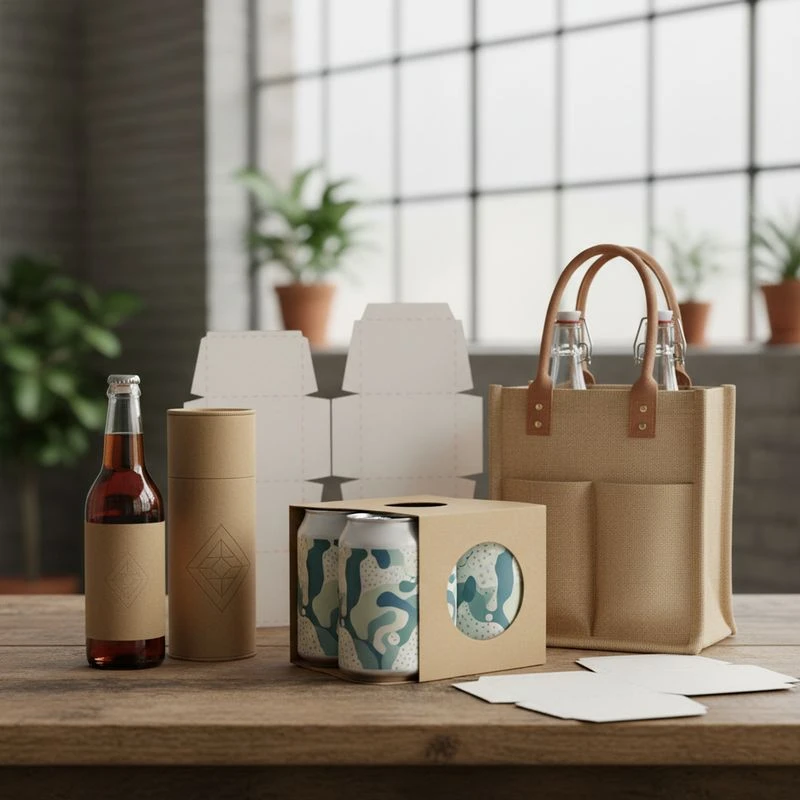
A Strategic Guide for Brands to Captivate the Dynamic SA Market
Beverage Packaging
In South Africa’s vibrant and fiercely competitive beverage landscape, custom packaging is no longer merely an option; it’s a non-negotiable differentiator for brands aiming to capture attention and build lasting loyalty. The market is constantly evolving, driven by shifting consumer preferences, economic factors, and the omnipresent influence of social media. Brands that fail to invest in strategic, eye-catching, and functional packaging risk being lost amidst a sea of generic alternatives. The takeaway here is clear: your packaging is often the first, and sometimes only, chance your product gets to make an impression. It speaks volumes before a single sip is taken, communicating quality, brand story, and value.
The reasoning behind this imperative lies in the sheer volume and diversity of choice available to the South African consumer. From craft beers and artisanal juices to premium spirits and health-focused drinks, every category is burgeoning. A unique visual identity, conveyed through bespoke cans or bottles, allows your product to stand out on crowded shelves, sparking curiosity and inviting engagement. For instance, consider the rapid growth of the craft beer segment, where distinctive labelling and unique can designs have become synonymous with authenticity and quality. Similarly, the premium water market leverages elegant bottle shapes and minimalist designs to convey purity and sophistication. Understanding your target demographic’s visual language and purchasing triggers is paramount. Are they drawn to bold, energetic colours, or do they prefer understated elegance? This understanding should directly inform your packaging choices.
To ensure your brand truly resonates, several actionable steps are crucial. Firstly, undertake thorough market research to identify prevailing trends and consumer insights specific to the South African context. Look beyond global trends to understand local nuances in colour preferences, cultural symbols, and purchasing habits. Secondly, meticulously define your product’s unique selling proposition (USP) – what makes it different and better? Your packaging must visually articulate this USP. For a newly launched energy drink, perhaps a vibrant, graffiti-inspired can design speaks to its youthful, energetic target audience. Conversely, a locally brewed rooibos iced tea might opt for earthy tones and indigenous patterns on its bottle, highlighting its natural origins and South African heritage. Potential pitfalls include underestimating the complexity of the South African market’s diverse consumer base or resorting to generic packaging solutions that fail to create a memorable impact. A common mistake is to simply replicate international trends without localising them, leading to a disconnect with the local consumer. The solution involves collaborating with local design agencies and packaging experts who possess an intimate understanding of the market and can translate your brand vision into a design that truly speaks to your audience. This local expertise is vital for navigating the intricacies of local tastes and ensuring cultural appropriateness, making your **Custom Packaging for Beverage Cans and Bottles for South Africa market** a resounding success.
The choice between cans and bottles also carries significant implications for brand perception, logistics, and cost. While aluminium cans offer superb protection against light and oxygen, enhancing shelf life and ensuring product integrity, they also provide a vast 360-degree canvas for vibrant, full-wrap graphics, which is a powerful tool for visual storytelling. Bottles, particularly glass, often convey a sense of premium quality, tradition, and sustainability, especially when designed with unique shapes or embossed branding. PET bottles offer a lighter, more durable, and often more cost-effective solution, especially for larger volume beverages. Understanding the functional and aesthetic benefits of each container type, and how they align with your brand’s core values and target market, is a foundational element of effective custom packaging strategy. The table below outlines key considerations when choosing between cans and bottles for the South African market, helping brands make informed decisions that align with their overall business objectives and market positioning.
| Feature | Beverage Cans (e.g., Aluminium) | Beverage Bottles (e.g., Glass, PET) |
|---|---|---|
| Material Cost | Generally stable, can be lower for high volumes; subject to global aluminium prices. | Varies widely (glass higher, PET lower); influenced by raw material availability and freight. |
| Weight & Shipping | Lighter, more compact, reduces shipping costs and carbon footprint; easier to stack and transport. | Heavier (glass), bulkier; higher shipping costs, increased breakage risk; requires more protective packaging. |
| Recyclability (SA) | High domestic recycling rates for aluminium; infrastructure well-established and widely accessible. | Glass recycling strong in urban areas; PET infrastructure growing but can be inconsistent in rural areas. |
| Brand Surface | Full 360-degree print area; versatile for vibrant graphics, unique finishes (matte, gloss, tactile). | Primary label area; additional neck/back labels; premium feel for glass; custom bottle shapes possible. |
| Protection | Excellent light & oxygen barrier; long shelf life; preserves flavour and carbonation effectively. | Good barrier (less so for PET); UV protection varies by colour; potential for re-sealing for multi-serve. |
| Consumer Perception | Modern, convenient, often associated with casual/on-the-go; craft beer and RTD trend. | Premium, traditional, re-sealable; associated with quality and heritage for glass; health focus for PET. |
| Minimum Order Quantity (MOQ) | Can be higher due to specialised printing and canning lines; often requires larger initial investment. | Generally more flexible, especially for custom bottle shapes and label-applied solutions; lower entry barrier. |
This table illustrates critical distinctions when considering **Custom Packaging for Beverage Cans and Bottles for South Africa market**. While cans offer superior protective qualities and logistical advantages, bottles, particularly glass, can convey a sense of premium quality and tradition that resonates with specific consumer segments. Brands must carefully weigh these factors against their product’s nature, target audience, and supply chain capabilities, understanding that each choice impacts everything from manufacturing to market perception and environmental footprint.
Custom Labels
Custom labels serve as your brand’s primary conversation with the consumer, making them an indispensable element of your marketing strategy. This small but mighty canvas is where your brand story unfolds, your values are communicated, and crucial product information is conveyed. It’s the point of interaction that can either draw a consumer in or cause them to pass by. The immediate takeaway is that investing in high-quality, strategically designed custom labels is paramount for any beverage brand seeking to thrive in the South African market. Without a compelling label, even the most exceptional product may struggle to find its audience.
The reasoning behind this goes beyond mere aesthetics. Custom labels are critical for differentiation in an increasingly crowded marketplace. They build brand recognition, fostering an emotional connection with consumers. Imagine a craft gin on a shelf; its unique, textured label featuring local botanicals or a historical narrative immediately elevates its perceived value and tells a story that resonates with a specific lifestyle. Beyond branding, labels are legally essential. In South Africa, beverage products must comply with strict regulations concerning ingredient lists, nutritional information, allergens, alcohol content (where applicable), country of origin, and best-before dates, as stipulated by bodies like the Foodstuffs, Cosmetics and Disinfectants Act (Act 54 of 1972) and relevant Liquor Act provisions. Failure to comply can lead to product recalls, fines, and severe damage to brand reputation. Therefore, labels must not only be visually appealing but also impeccably accurate and legible.
To ensure your custom labels achieve their full potential, several actionable steps should be followed. Firstly, clearly define the purpose of your label – is it primarily informational, promotional, or a blend of both? This will guide your design and content. Secondly, choose the appropriate label material and printing technology that aligns with your product’s environment and brand image. For instance, paper labels are cost-effective and versatile for dry-storage items like some artisanal juices, but for beverages exposed to moisture or refrigeration, durable, water-resistant materials like BOPP (Biaxially Oriented Polypropylene) or PET (Polyester) are essential. Thirdly, engage with an experienced label manufacturer who understands the intricacies of beverage labelling, including adhesive requirements for cold, wet, or textured surfaces. Pitfalls include labels that peel, bubble, or fade due to incorrect material choice or poor adhesion, especially in South Africa’s diverse climatic conditions. Misaligned labels or illegible text due to low print quality are also common errors that detract from professionalism. The ultimate solution involves rigorous testing of label prototypes under various conditions (refrigeration, condensation, transport) and establishing clear quality control checks with your supplier to ensure consistency across batches. Partnering with a supplier who can advise on the latest printing techniques, such as digital printing for short runs and variable data, or flexographic printing for high volumes, is also key. This ensures that your **Custom Packaging for Beverage Cans and Bottles for South Africa market** is consistently presented with the highest quality labels.
| Label Material Type | Key Characteristics | Ideal Application (SA Market) | Pitfalls & Solutions |
|---|---|---|---|
| Paper Labels | Cost-effective, wide range of finishes (matte, gloss, textured), versatile; good for earthy/natural brand aesthetics. | Craft beers, artisanal juices, limited edition spirits, promotional items, products stored in dry conditions. | Less durable in moisture, susceptible to scuffing and tearing. Solution: Apply protective laminations or UV varnishes for enhanced durability. |
| BOPP (Biaxially Oriented Polypropylene) | Water-resistant, durable, clear or white, “no-label” look possible; excellent for high-gloss finishes. | Soft drinks, mineral water, dairy alternatives, sports drinks, products requiring moisture resistance and vibrant graphics. | Can be difficult to remove cleanly for recycling process. Solution: Use recyclable adhesives and consider perforated designs for easier de-labelling. |
| PET (Polyester) | Highly durable, temperature resistant, UV resistant, premium feel; excellent clarity and dimensional stability. | High-end spirits, health beverages, outdoor event packaging, products exposed to harsh conditions (sunlight, extreme cold). | Higher cost than BOPP, can be more rigid and less flexible for complex curves. Solution: Strategic use for premium products where durability and high-end aesthetics are paramount. |
| Shrink Sleeves | 360-degree graphics, conform to complex shapes, tamper-evident; maximises branding area. | Energy drinks, ready-to-drink (RTD) cocktails, unique bottle/can designs, products requiring full-body visual impact. | Requires specialised application equipment (shrink tunnels), de-labelling for recycling can be an issue. Solution: Incorporate perforations or eco-friendly shrink materials to aid in recycling, work with experienced applicators. |
Selecting the right custom label material is paramount for brand integrity and product longevity in South Africa’s diverse climate. This table outlines key material properties and their suitability, highlighting that while cost-effectiveness is often a driver, factors like durability, environmental impact, and brand perception must also inform the decision. Brands serving the **Custom Packaging for Beverage Cans and Bottles for South Africa market** need labels that withstand local conditions and clearly communicate essential information while elevating the product’s appeal.
B2B Manufacturing
The journey from a brilliant beverage concept to a tangible product on the shelf is heavily reliant on a robust and reliable B2B manufacturing partnership for your custom packaging. This isn’t just about finding someone to print labels or form bottles; it’s about forging a strategic alliance with a supplier who understands the nuances of the South African market, possesses the necessary technical expertise, and can scale with your brand’s growth. The immediate takeaway here is that choosing the right manufacturing partner is as crucial as the product itself, directly impacting quality, cost-efficiency, and your ability to meet market demand. A strong partnership mitigates risks and unlocks opportunities for innovation.
The reasoning behind this emphasis on partnership stems from several critical factors. Firstly, packaging manufacturing, especially for beverages, involves highly specialised machinery, materials science, and quality control protocols. A reputable manufacturer brings this expertise to the table, ensuring that your custom cans or bottles meet stringent industry standards for food safety, durability, and aesthetic consistency. Secondly, scalability is paramount. As your brand gains traction, your manufacturer must be able to increase production without compromising quality or lead times. A partner with robust infrastructure and flexible production capabilities can adapt to fluctuating demand, preventing stockouts or excessive inventory. Thirdly, cost-efficiency is often achieved through economies of scale, optimised production processes, and effective supply chain management – all hallmarks of an experienced B2B manufacturer. They can advise on material choices, printing methods, and logistics to minimize costs without sacrificing impact.
To secure such a vital partnership for your **Custom Packaging for Beverage Cans and Bottles for South Africa market**, several actionable steps are essential. Begin by thoroughly researching local manufacturers in South Africa. Local partnerships often translate to shorter lead times, reduced shipping costs, easier communication, and a better understanding of local market conditions and regulations. Evaluate their capabilities beyond just their equipment; assess their track record, client testimonials, and commitment to quality. Ask for samples of their work, preferably for similar beverage categories, to gauge their finish quality and material expertise. Crucially, discuss minimum order quantities (MOQs) upfront. While smaller brands may struggle with high MOQs, some manufacturers offer flexible solutions or can connect you with partners for initial smaller runs. Understand their lead times for design, prototyping, and full production, and ensure these align with your product launch schedule. Establish clear communication protocols from the outset to avoid misunderstandings regarding specifications, colours, or delivery schedules. A significant pitfall is selecting a manufacturer based solely on the lowest price without vetting their quality control processes or capacity. This can lead to costly errors, inconsistent product appearance, and delays that can severely damage your brand’s reputation and bottom line. Another common mistake is poor communication of detailed specifications, resulting in a product that doesn’t match your vision. Solutions include conducting site visits to prospective manufacturing facilities, implementing detailed contracts with clear specifications and quality benchmarks, and building a long-term relationship based on trust and mutual understanding. Regular quality assurance checks throughout the production process are non-negotiable, ensuring that every can or bottle leaving the factory meets your exacting standards. This proactive approach ensures your custom packaging consistently represents your brand’s commitment to excellence.
Design
Strategic design transforms custom packaging from a mere container into a powerful marketing tool, especially within the nuanced landscape of the South African beverage market. It’s the visual language that speaks volumes to your target consumer, conveying brand identity, product benefits, and emotional resonance long before they ever taste what’s inside. The immediate takeaway for any beverage brand is that outstanding design is an investment, not an expense, capable of dramatically increasing shelf appeal, fostering brand loyalty, and ultimately driving sales. In a market where choice abounds, compelling design is often the decisive factor that moves a product from the shelf into a shopping cart.
The reasoning for this profound impact lies in human psychology and market dynamics. Consumers make split-second purchasing decisions, often swayed by visual cues and emotional connections. An expertly designed can or bottle captures attention, sparks curiosity, and communicates trustworthiness. For a brand entering the South African market, design must also subtly, or overtly, acknowledge and celebrate the rich tapestry of local cultures, colours, and symbols without resorting to stereotypes. For example, a design for a new energy drink might utilise bold, energetic colours and geometric patterns that appeal to a youthful, urban demographic, while a premium artisanal tea might feature intricate, hand-drawn illustrations and earthy tones, speaking to a desire for natural authenticity and heritage. The design must not only be visually appealing but also functional, ensuring legibility of critical information and ease of use for the consumer. It’s about creating an entire sensory experience that reinforces the brand promise.
To harness the full potential of design for your **Custom Packaging for Beverage Cans and Bottles for South Africa market**, several actionable steps are critical. Firstly, define your brand’s aesthetic and core message with absolute clarity. What emotions do you want to evoke? What story are you telling? Secondly, engage with experienced graphic designers, ideally those with a portfolio demonstrating success in the South African beverage sector, as they will have an innate understanding of local consumer preferences and cultural sensitivities. This ensures your design is both innovative and culturally appropriate. Ensure the design seamlessly integrates all necessary regulatory information, from nutritional facts to alcohol warnings, without cluttering the visual appeal. Legibility is paramount. Thirdly, consider how the design translates across different packaging formats – will it work equally well on a sleek can and a contoured bottle? Potential pitfalls are numerous: a cluttered design that overwhelms the consumer, poor colour reproduction that deviates from brand guidelines, or a generic look that fails to stand out. Another significant pitfall is overlooking local consumer preferences or inadvertently using symbols or colours that carry unintended negative connotations within specific South African cultures.
Solutions to these challenges involve a rigorous design process. Conduct focus groups with your target audience across different demographic segments to gather feedback on design concepts before finalising. A/B test different visual elements to see which resonate most effectively. Create high-quality mock-ups and 3D renderings to visualise the final product accurately. Work closely with your chosen packaging manufacturer to understand the technical limitations and possibilities of various printing techniques and materials, ensuring your design vision can be realised faithfully. For instance, some intricate patterns may not reproduce well on certain shrink sleeve materials, or specific colour palettes might require specialised inks to achieve true vibrancy. By meticulously planning and testing your design, you ensure that your custom packaging is not just attractive, but also a strategic asset that effectively communicates your brand’s essence and captivates the discerning South African consumer. Your packaging design is not just a pretty face; it’s a silent salesperson working tirelessly for your brand on every shelf.
Recyclable
Embracing recyclable custom packaging is no longer a niche preference; it’s an imperative for long-term success, brand reputation, and consumer trust in the South African beverage market. With increasing environmental awareness among consumers and a growing push for a circular economy, brands that demonstrate a genuine commitment to sustainability through their packaging choices gain a significant competitive edge. The immediate takeaway is that designing for recyclability is not just about ticking a box; it’s about aligning with global best practices, meeting consumer expectations, and contributing positively to the local environment, ensuring your brand remains relevant and responsible.
The reasoning behind this shift is multifaceted. Environmentally conscious consumers in South Africa are actively seeking out products that align with their values, often scrutinizing packaging for its ecological footprint. A brand that ignores this trend risks being perceived as outdated or irresponsible. Furthermore, there are growing regulatory pressures and industry initiatives (like extended producer responsibility schemes) encouraging businesses to take greater accountability for the end-of-life of their packaging. By prioritising recyclable materials, brands not only enhance their reputation but also contribute to the local recycling economy, creating jobs and reducing landfill waste. For instance, aluminium cans boast one of the highest recycling rates globally and in South Africa, making them an excellent choice for a circular packaging solution. Glass bottles are also highly recyclable and offer a premium perception, while PET bottles, if designed for recyclability and proper separation from labels, play a vital role in closed-loop systems.
To effectively integrate recyclability into your **Custom Packaging for Beverage Cans and Bottles for South Africa market**, several actionable steps must be taken. Firstly, prioritise materials that are widely recycled in South Africa, such as aluminium, glass, and PET. Research the local recycling infrastructure to understand what is genuinely recyclable and accessible to your target consumers. Secondly, ensure that your custom labels are easily separable from the primary container or are made from materials compatible with the container’s recycling stream (e.g., a PET label on a PET bottle). The use of mono-materials simplifies the recycling process significantly. Thirdly, print clear and concise recycling instructions on your packaging, empowering consumers to dispose of it correctly. This could include the universally recognised recycling symbols or specific advice like “Rinse and Recycle.” Practical examples include brands using 100% recycled aluminium for their cans, lightweight glass bottles to reduce material usage, or PET bottles designed with easily removable shrink sleeves or pressure-sensitive labels that detach during the recycling process.
Potential pitfalls include “greenwashing,” where brands make unsubstantiated or exaggerated claims about their packaging’s sustainability, leading to consumer distrust. Another common issue is using multi-material packaging that is technically difficult or impossible to recycle, even if individual components are recyclable. Failing to educate consumers on proper disposal methods also undermines efforts. Solutions involve working with suppliers who provide certified sustainable materials and can offer detailed data on the environmental impact of their products. Partner with local recycling initiatives or industry bodies to stay informed about best practices and contribute to infrastructure development. Most importantly, be transparent and honest about your sustainability journey, acknowledging areas for improvement. Designing for recyclability means considering the entire lifecycle of your packaging, from sourcing raw materials to consumer disposal, ensuring that your custom packaging not only looks good but does good for the planet and your brand’s future. This proactive approach strengthens consumer loyalty and positions your brand as a responsible player in the dynamic South African beverage industry.
