
Catalog

Box Purpose

Elevating Your Sweet Treats: The Power of Custom Packaging in South Africa

Crafting Unforgettable Experiences for Bakeries and Confectioneries Across the Nation

Bakery Packaging

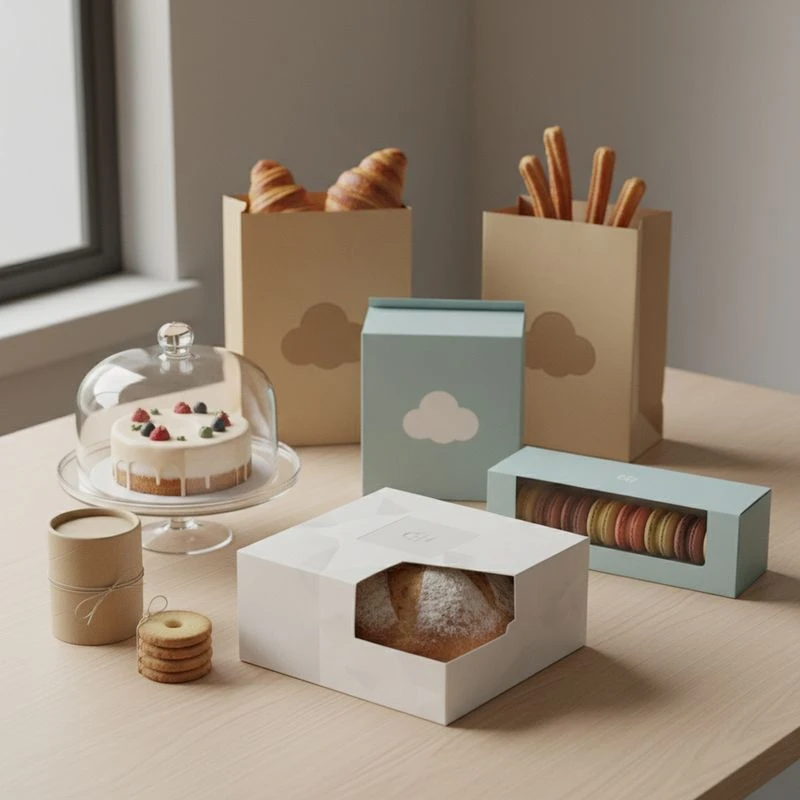
In the vibrant and competitive South African culinary scene, custom bakery packaging is no longer a mere expenditure but a fundamental necessity for any business aspiring to distinguish itself. It’s the silent ambassador of your brand, the first tactile interaction a customer has with your product, and a powerful statement about the quality and care you invest. Generic, off-the-shelf packaging solutions, while convenient in a pinch, inherently fail to capture the unique essence of your brand, the artistry of your creations, or the emotional connection you aim to build with your clientele. Imagine a beautifully decorated cake, a delicate macaron, or an artisanal loaf of bread presented in a bland, unbranded box; a significant opportunity to impress and reinforce your brand identity is lost immediately. Custom packaging, conversely, allows you to infuse every aspect of the customer experience with your brand’s personality, from the moment they lay eyes on it to the delightful unwrapping at home.

The journey of a baked good, from your oven to the consumer’s table, is fraught with potential hazards, making the protective qualities of custom packaging paramount. It’s not just about aesthetics; it’s about preserving freshness, preventing damage during transport, and maintaining the structural integrity of delicate items like tiered cakes or intricately piped cupcakes. Beyond protection, thoughtful design can significantly influence purchasing decisions. In a busy retail environment, a uniquely designed box or bag catches the eye, inviting closer inspection and fostering an impulse purchase. When considering custom packaging for your South African bakery or confectionery, the first actionable step is to meticulously define your target audience and the core identity of your brand. Are you catering to luxury events, daily commuters, or families? Each segment will respond to different aesthetics and material choices. Secondly, carefully consider the product’s entire journey: how will it be transported? How long does it need to stay fresh? How will the customer interact with it upon arrival? These questions guide material selection, from sturdy corrugated cardboard for larger cakes to grease-resistant paper for pastries and delicate inserts for individual chocolates.

Navigating the realm of custom bakery packaging also means being aware of potential pitfalls. A common mistake is prioritizing cost over quality, leading to flimsy packaging that fails to protect the product or cheapens the brand image. Another is a lack of cohesive design, where packaging elements don’t align with the overall brand messaging, creating confusion rather than clarity. To circumvent these issues, invest in professional design expertise that understands both aesthetics and functionality. Collaborate with packaging suppliers who can offer a range of material options and provide guidance on the best fit for your specific products and budget. For instance, an artisanal bread shop might opt for simple, rustic kraft paper bags with a prominent logo, conveying authenticity and natural ingredients. In contrast, a high-end confectionery might choose elegant, rigid boxes with metallic accents, signaling luxury and exclusivity. The right custom packaging acts as a powerful marketing tool, telling your brand’s story long after the last crumb has been enjoyed, ensuring that your South African bakery or confectionery leaves a lasting, positive impression.

Food Safe

When it comes to custom packaging for the South African bakery and confectionery market, the concept of “food safe” transcends a mere desirable feature; it is an absolute non-negotiable prerequisite. Ensuring that your custom packaging is genuinely food-safe is paramount, not just for stringent compliance with health regulations, but critically for cultivating and preserving consumer trust and, ultimately, safeguarding your brand’s integrity. The dangers associated with non-food-grade materials are multi-faceted and severe, ranging from the potential for chemical migration into your delicious products to the introduction of harmful contaminants. Such issues not only pose significant health risks to consumers but can also lead to devastating legal repercussions, product recalls, and irreparable damage to your reputation within the highly sensitive food industry. Customers in South Africa are increasingly discerning about the origins and safety of their food, and any compromise in this area can lead to a swift and irreversible loss of confidence.

The importance of local regulations and international best practices cannot be overstated. While South Africa has its own standards (such as SANS norms for food contact materials), many local businesses also adhere to international benchmarks like those set by the FDA or EU, especially if they have aspirations for export or wish to assure a wider customer base. Understanding these guidelines means knowing that not all paper, plastic, or ink is created equal when it comes to direct food contact. Materials must be inert, meaning they won’t react with or transfer harmful substances to the food. This includes the base material, any coatings or laminations, and crucially, the inks used for printing. For instance, packaging for baked goods often requires grease resistance, meaning the material must prevent oils and fats from seeping through, which can not only look unappealing but also compromise the structural integrity of the box. Similarly, confectionery items might require moisture barriers to prevent sugar bloom or maintain crunchiness, necessitating specific material properties.

Taking actionable steps to ensure food safety in your custom packaging supply chain is essential. Firstly, always verify your packaging supplier’s certifications. Look for evidence of adherence to recognised food safety management systems such as ISO 22000 or HACCP, and specific material approvals for food contact. Don’t hesitate to request material data sheets for all components of your packaging, which should detail their composition and suitability for direct or indirect food contact. Secondly, understand the specific properties required for your product. For a dry biscuit, a simple food-grade card might suffice, but a moist cake or a greasy pastry will require a grease-resistant coating or a suitable inner lining. If your primary custom packaging cannot be direct food contact approved due to design or material constraints, consider using an approved inner wrap, such as parchment paper or a food-grade film, to create a safe barrier between the product and the outer packaging. Finally, inquire about the inks and adhesives used; they must be non-toxic and compliant with food packaging standards. A simple visual inspection is never enough; due diligence in supplier selection and material understanding is key to protecting both your customers and your business.

Below is a table outlining common packaging materials and their general suitability for food contact:

Material Type Typical Use in Bakery/Confectionery Food-Safe Considerations Key Properties
Virgin Kraft Paperboard Cake boxes, cupcake boxes, pastry boxes, bread bags (often with lining) Generally food-safe when virgin pulp is used. Coatings (e.g., PE) must also be food-grade. Strong, recyclable, good print surface, often needs grease/moisture barrier.
Recycled Paperboard Outer packaging, non-direct food contact boxes, carriers Generally NOT suitable for direct food contact unless specially treated/laminated with virgin food-grade material. Eco-friendly, cost-effective for secondary packaging.
PET (Polyethylene Terephthalate) Window film, clear containers, cupcake inserts, macaron trays Widely accepted as food-safe. Recyclable (check local SA facilities). Clear, durable, good barrier properties, lightweight.
PLA (Polylactic Acid) Window film (biodegradable), clear containers (eco-friendly option) Food-safe. Biodegradable and compostable under commercial conditions (check local SA facilities). Clear, plant-based, similar properties to PET but for eco-conscious brands.
Glassine Paper Grease-resistant liners for pastries, individual chocolate wraps Food-safe, excellent grease resistance. Translucent, smooth, moisture and grease repellent.

This table serves as a general guide. Always confirm specific food-grade certifications and applications with your chosen packaging supplier. The “Food-Safe Considerations” highlight that even common materials require specific treatments or grades to be appropriate for direct food contact, emphasizing the need for thorough verification.

Window Boxes

In the highly visual world of bakery and confectionery, window boxes offer an unparalleled advantage, transforming your custom packaging from a simple container into a powerful display case. For South African bakeries and confectioneries, allowing your delicious creations to speak for themselves through a clear window is a strategy that directly entices customers and drives impulse purchases. Imagine a display of perfectly arranged cupcakes, a vibrantly decorated celebration cake, or an assortment of artisanal chocolates, all partially visible through a beautifully integrated window. This visual access builds immediate trust and anticipation, effectively bridging the gap between seeing and desiring the product. It’s a psychological trigger that reassures customers about the quality and freshness of what they’re buying, making the packaging an active participant in the sales process rather than just a protective shell.

The allure of window boxes lies in their ability to showcase the aesthetic appeal of your baked goods, which are often works of art in themselves. This is particularly effective for products where presentation is key, such as intricately decorated occasion cakes, delicate pastries, or colorful macarons. By providing a sneak peek, you invite customers to appreciate the craftsmanship and visual delights before they even open the box. This transparency creates an immediate connection, fostering a sense of perceived value and authenticity. In a market where competition is fierce, any element that can differentiate your product and make it more appealing to the eye contributes significantly to its success. Furthermore, window boxes can convey a sense of honesty and confidence in your product; it suggests you have nothing to hide, and indeed, everything to show off. This approach subtly communicates quality and a meticulous attention to detail, reinforcing a premium brand image.

Implementing window boxes effectively requires careful consideration of several design and material aspects. First, determine the optimal size and placement of the window. It should be large enough to offer an enticing view of the product but not so large that it compromises the structural integrity of the box. The window’s position should highlight the best features of your product, whether it’s the glistening glaze of a tart or the intricate frosting of a cupcake. Secondly, choose the appropriate window material. PET (Polyethylene Terephthalate) is a common and food-safe choice, offering clarity and durability. For brands with an eco-conscious focus, PLA (Polylactic Acid), a plant-based, compostable alternative, is gaining popularity, though its availability and suitability for commercial composting facilities in South Africa should be verified. Lastly, consider the structural support around the window cut-out. The remaining cardstock needs to be robust enough to prevent tearing or bending, especially for heavier items. A common pitfall is using window film that is too thin, leading to creasing or breakage, or selecting a non-food-safe plastic that could contaminate the product. Condensation can also be an issue, especially with refrigerated items; some films come with anti-fog coatings to mitigate this. Integrating your branding seamlessly around the window is crucial, ensuring the logo and brand colours complement the product on display without overshadowing it. A custom window box for a set of artisanal chocolates, for example, could feature a perfectly sized window allowing each unique flavour to be admired, surrounded by elegant brand typography, elevating the entire gifting experience.

Here’s a comparison of common window materials used in custom packaging:

Window Material Key Advantages Considerations for Bakery/Confectionery Typical Applications
PET (Polyethylene Terephthalate) High clarity, strong, durable, food-safe, good barrier properties. Most common choice, widely recyclable in many SA municipalities, can be slightly rigid. Cake box windows, cupcake inserts, clear lid containers, macaron trays.
PLA (Polylactic Acid) Compostable (commercial facilities needed), plant-based, food-safe, good clarity. Eco-friendly alternative, can be more brittle than PET, requires specific composting conditions. For brands targeting sustainability, clear containers for single-serve items, window film.
PVC (Polyvinyl Chloride) Clear, flexible, cost-effective. Less environmentally friendly due to recycling challenges and potential chemical concerns. Use is declining in food packaging. Historically used for windows, but PET and PLA are preferred alternatives.

When selecting a window material for your custom packaging, the primary considerations should be food safety, clarity, durability, and your brand’s commitment to sustainability. PET remains a reliable choice, while PLA offers an excellent eco-conscious option for businesses aligned with greener practices, provided local composting infrastructure supports it.

B2B Printing

Navigating the B2B printing landscape for custom bakery and confectionery packaging in South Africa requires more than just finding a printer; it demands establishing strategic partnerships to ensure unparalleled quality, cost-effectiveness, and timely delivery. For a growing bakery or confectionery, the choice of a printing partner directly impacts your brand’s presence and operational efficiency. The complexities involved in commercial printing—ranging from understanding minimum order quantities (MOQs) and lead times to mastering intricate file formats and achieving precise colour matching—can be daunting. A common pitfall for many businesses is underestimating these complexities, leading to costly errors, delays, and a final product that falls short of expectations. A reliable B2B printer should not merely be a vendor executing an order, but a true strategic partner who provides expert guidance, anticipates potential issues, and helps optimize your packaging solutions from concept to delivery.

Effective collaboration begins with meticulous preparation on your part. The first actionable step is to meticulously prepare print-ready files. This means ensuring all graphics are vector-based where possible, colours are set to CMYK for print accuracy, and images are high-resolution (typically 300dpi at actual size). Submitting files that are not print-ready is a primary cause of delays and additional costs, as the printer will need to spend time correcting them. Secondly, clear and comprehensive communication of your specific needs is paramount. This includes not just the dimensions and quantity, but also the desired material, specific finishes (e.g., matte, gloss, spot UV, embossing), and crucial delivery schedules. Don’t assume the printer knows your vision; articulate every detail. For example, if you require a specific shade of blue to match your brand’s existing stationery, provide a physical sample or a precise Pantone reference. Thirdly, always request samples and prototypes before committing to large-scale production. A physical proof allows you to assess colour accuracy, material feel, and overall design implementation, catching any errors before they become expensive mistakes across thousands of units.

Understanding the different printing techniques available is also beneficial when engaging with B2B printers. Offset printing, ideal for large volumes, offers superior colour accuracy and cost-effectiveness per unit but has higher initial setup costs and longer lead times. Digital printing is excellent for smaller runs, variable data printing, and quicker turnarounds, making it suitable for seasonal promotions or product launches where flexibility is key. Flexographic printing is often used for packaging films and labels in very high volumes. Negotiating MOQs and pricing is another critical aspect. While a lower unit cost might seem appealing, consider the total cost of ownership, including storage, potential waste, and the impact of long lead times on your inventory management. A good printer will be transparent about these factors and work with you to find a balance between cost, quality, and quantity that aligns with your business needs. For instance, a small batch bakery launching a new line of artisanal chocolates might opt for digital printing for its initial custom packaging run, allowing them to test market response without a massive upfront investment. Conversely, a large confectionery supplying nationwide might commit to offset printing for its core product lines, leveraging the cost efficiencies of high volume. Building a long-term relationship with a reliable South African B2B printer who understands the unique demands of the food industry can be an invaluable asset, ensuring your custom packaging always arrives on time, on budget, and perfectly reflects the quality of your sweet treats.

Below is a comparative table of common printing techniques for custom packaging:

Printing Technique Best For Advantages Disadvantages Typical Custom Packaging Use
Offset Printing High-volume runs (thousands+), consistent colour, fine detail. Superior image quality, cost-effective per unit for large quantities, wide range of substrates. Higher setup costs, longer lead times, not ideal for variable data. Standard cake boxes, confectionery cartons, branded paper bags for established lines.
Digital Printing Short runs (hundreds-thousands), variable data, quick turnarounds. Fast setup, allows for customization and personalization, no minimums (or very low), good for prototypes. Higher cost per unit for large volumes, colour consistency can vary slightly between batches. Limited edition packaging, seasonal promotions, personalized gift boxes, small batch product launches.
Flexographic Printing Very high-volume runs, labels, flexible packaging, large surfaces. Fast, cost-effective for extremely large quantities, durable prints on various non-porous materials. Lower image quality compared to offset, high setup costs, colour changes can be costly. Printed film for individually wrapped sweets, large runs of bread bags, labels for jars/bottles.

The choice of printing technique significantly impacts cost, quality, and lead time for your custom packaging. For most South African bakeries and confectioneries, a blend of digital for initial runs and offset for established, high-volume products often offers the best balance of flexibility and cost-efficiency.

Branding

Beyond the practicalities of protection and presentation, custom packaging is arguably the most potent and visible marketing tool for your bakery or confectionery, acting as a powerful, silent salesperson. It’s the tangible representation of your brand, etching its identity into the minds and hearts of South African consumers long after the last crumb has been enjoyed. In a market saturated with delicious offerings, strong branding through packaging creates instant recognition, communicates your unique values, tells your brand’s compelling story, and critically, differentiates your products from the competition. Consider the immediate recognition of a specific coffee brand’s cup or a luxury chocolatier’s distinctive box; this is the power of packaging as a branding vehicle. It establishes an emotional connection, transforming a transactional purchase into a memorable experience that encourages repeat business and fosters brand loyalty.

Effective branding on custom packaging goes far beyond merely slapping a logo onto a box. It encompasses a holistic design approach where every element—colour, typography, imagery, and messaging—works in concert to convey your brand’s personality and promise. A bright, playful colour palette might appeal to a children’s party bakery, while muted, earthy tones and sophisticated fonts could signify an artisanal, organic bread shop. The choice of finish, such as a matte lamination for a premium feel or a gloss finish for a vibrant, inviting look, also contributes to the brand perception. Your packaging should communicate not just what your product is, but what it stands for. Does your bakery pride itself on traditional recipes, sustainable practices, or innovative flavour combinations? These unique selling propositions can be subtly or overtly integrated into the packaging design. This differentiation is particularly crucial in South Africa, where diverse consumer preferences and a bustling culinary landscape demand that brands articulate their distinct value proposition clearly and memorably.

To leverage custom packaging as a branding powerhouse, several actionable steps are imperative. Firstly, develop a clear and consistent brand identity. This includes a memorable logo, a cohesive colour palette, a consistent set of fonts, and a defined tone of voice that resonates with your target audience. Ensure that this identity is consistently applied across all your packaging and marketing materials. Secondly, use your packaging to tell your brand’s story or highlight your unique selling proposition. This could be a short, engaging tagline, a brief history of your bakery, or a subtle motif that represents your ethos. Thirdly, consider incorporating value-added elements that enhance the customer experience and reinforce your brand. This might include QR codes that link to your social media, a recipe for using your product, or a heartfelt “thank you” note printed inside the lid. These small touches transform the act of unboxing into an engaging brand interaction. It’s also vital to ensure that all designs are legible and visually appealing, avoiding cluttered layouts that can confuse or overwhelm. A common pitfall is inconsistency across product lines, where different packaging styles dilute the overall brand message. Another is neglecting the “unboxing experience”—the journey a customer takes from receiving your product to finally enjoying it. Think about how the packaging feels in their hands, how easily it opens, and the surprise elements it might contain. A high-end chocolatier, for instance, might use embossed, textured paper with a magnetic closure for their custom packaging, signalling luxury and sophistication before a single truffle is even tasted. By focusing on these elements, your custom packaging becomes an indispensable tool for building a strong, resonant brand presence in the competitive South African market, creating loyal customers who not only love your sweets but also adore your brand.

Custom Bakery Packaging SA: Sweet Success Strategies

Elevating Your Sweet Treats: The Power of Custom Packaging in South Africa

Crafting Unforgettable Experiences for Bakeries and Confectioneries Across the Nation

Bakery Packaging

In the vibrant and competitive South African culinary scene, custom bakery packaging is no longer a mere expenditure but a fundamental necessity for any business aspiring to distinguish itself. It’s the silent ambassador of your brand, the first tactile interaction a customer has with your product, and a powerful statement about the quality and care you invest. Generic, off-the-shelf packaging solutions, while convenient in a pinch, inherently fail to capture the unique essence of your brand, the artistry of your creations, or the emotional connection you aim to build with your clientele. Imagine a beautifully decorated cake, a delicate macaron, or an artisanal loaf of bread presented in a bland, unbranded box; a significant opportunity to impress and reinforce your brand identity is lost immediately. Custom packaging, conversely, allows you to infuse every aspect of the customer experience with your brand’s personality, from the moment they lay eyes on it to the delightful unwrapping at home.

The journey of a baked good, from your oven to the consumer’s table, is fraught with potential hazards, making the protective qualities of custom packaging paramount. It’s not just about aesthetics; it’s about preserving freshness, preventing damage during transport, and maintaining the structural integrity of delicate items like tiered cakes or intricately piped cupcakes. Beyond protection, thoughtful design can significantly influence purchasing decisions. In a busy retail environment, a uniquely designed box or bag catches the eye, inviting closer inspection and fostering an impulse purchase. When considering custom packaging for your South African bakery or confectionery, the first actionable step is to meticulously define your target audience and the core identity of your brand. Are you catering to luxury events, daily commuters, or families? Each segment will respond to different aesthetics and material choices. Secondly, carefully consider the product’s entire journey: how will it be transported? How long does it need to stay fresh? How will the customer interact with it upon arrival? These questions guide material selection, from sturdy corrugated cardboard for larger cakes to grease-resistant paper for pastries and delicate inserts for individual chocolates.

Navigating the realm of custom bakery packaging also means being aware of potential pitfalls. A common mistake is prioritizing cost over quality, leading to flimsy packaging that fails to protect the product or cheapens the brand image. Another is a lack of cohesive design, where packaging elements don’t align with the overall brand messaging, creating confusion rather than clarity. To circumvent these issues, invest in professional design expertise that understands both aesthetics and functionality. Collaborate with packaging suppliers who can offer a range of material options and provide guidance on the best fit for your specific products and budget. For instance, an artisanal bread shop might opt for simple, rustic kraft paper bags with a prominent logo, conveying authenticity and natural ingredients. In contrast, a high-end confectionery might choose elegant, rigid boxes with metallic accents, signaling luxury and exclusivity. The right custom packaging acts as a powerful marketing tool, telling your brand’s story long after the last crumb has been enjoyed, ensuring that your South African bakery or confectionery leaves a lasting, positive impression.

Food Safe

When it comes to custom packaging for the South African bakery and confectionery market, the concept of “food safe” transcends a mere desirable feature; it is an absolute non-negotiable prerequisite. Ensuring that your custom packaging is genuinely food-safe is paramount, not just for stringent compliance with health regulations, but critically for cultivating and preserving consumer trust and, ultimately, safeguarding your brand’s integrity. The dangers associated with non-food-grade materials are multi-faceted and severe, ranging from the potential for chemical migration into your delicious products to the introduction of harmful contaminants. Such issues not only pose significant health risks to consumers but can also lead to devastating legal repercussions, product recalls, and irreparable damage to your reputation within the highly sensitive food industry. Customers in South Africa are increasingly discerning about the origins and safety of their food, and any compromise in this area can lead to a swift and irreversible loss of confidence.

The importance of local regulations and international best practices cannot be overstated. While South Africa has its own standards (such as SANS norms for food contact materials), many local businesses also adhere to international benchmarks like those set by the FDA or EU, especially if they have aspirations for export or wish to assure a wider customer base. Understanding these guidelines means knowing that not all paper, plastic, or ink is created equal when it comes to direct food contact. Materials must be inert, meaning they won’t react with or transfer harmful substances to the food. This includes the base material, any coatings or laminations, and crucially, the inks used for printing. For instance, packaging for baked goods often requires grease resistance, meaning the material must prevent oils and fats from seeping through, which can not only look unappealing but also compromise the structural integrity of the box. Similarly, confectionery items might require moisture barriers to prevent sugar bloom or maintain crunchiness, necessitating specific material properties.

Taking actionable steps to ensure food safety in your custom packaging supply chain is essential. Firstly, always verify your packaging supplier’s certifications. Look for evidence of adherence to recognised food safety management systems such as ISO 22000 or HACCP, and specific material approvals for food contact. Don’t hesitate to request material data sheets for all components of your packaging, which should detail their composition and suitability for direct or indirect food contact. Secondly, understand the specific properties required for your product. For a dry biscuit, a simple food-grade card might suffice, but a moist cake or a greasy pastry will require a grease-resistant coating or a suitable inner lining. If your primary custom packaging cannot be direct food contact approved due to design or material constraints, consider using an approved inner wrap, such as parchment paper or a food-grade film, to create a safe barrier between the product and the outer packaging. Finally, inquire about the inks and adhesives used; they must be non-toxic and compliant with food packaging standards. A simple visual inspection is never enough; due diligence in supplier selection and material understanding is key to protecting both your customers and your business.

Below is a table outlining common packaging materials and their general suitability for food contact, crucial when designing custom packaging:

Material Type Typical Use in Bakery/Confectionery Food-Safe Considerations Key Properties
Virgin Kraft Paperboard Cake boxes, cupcake boxes, pastry boxes, bread bags (often with lining) Generally food-safe when virgin pulp is used. Coatings (e.g., PE) must also be food-grade. Strong, recyclable, good print surface, often needs grease/moisture barrier.
Recycled Paperboard Outer packaging, non-direct food contact boxes, carriers Generally NOT suitable for direct food contact unless specially treated/laminated with virgin food-grade material. Eco-friendly, cost-effective for secondary packaging.
PET (Polyethylene Terephthalate) Window film, clear containers, cupcake inserts, macaron trays Widely accepted as food-safe. Recyclable (check local SA facilities). Clear, durable, good barrier properties, lightweight.
PLA (Polylactic Acid) Window film (biodegradable), clear containers (eco-friendly option) Food-safe. Biodegradable and compostable under commercial conditions (check local SA facilities). Clear, plant-based, similar properties to PET but for eco-conscious brands.
Glassine Paper Grease-resistant liners for pastries, individual chocolate wraps Food-safe, excellent grease resistance. Translucent, smooth, moisture and grease repellent.

This table serves as a general guide. Always confirm specific food-grade certifications and applications with your chosen custom packaging supplier. The “Food-Safe Considerations” highlight that even common materials require specific treatments or grades to be appropriate for direct food contact, emphasizing the need for thorough verification for South African standards.

Window Boxes

In the highly visual world of bakery and confectionery, window boxes offer an unparalleled advantage, transforming your custom packaging from a simple container into a powerful display case. For South African bakeries and confectioneries, allowing your delicious creations to speak for themselves through a clear window is a strategy that directly entices customers and drives impulse purchases. Imagine a display of perfectly arranged cupcakes, a vibrantly decorated celebration cake, or an assortment of artisanal chocolates, all partially visible through a beautifully integrated window. This visual access builds immediate trust and anticipation, effectively bridging the gap between seeing and desiring the product. It’s a psychological trigger that reassures customers about the quality and freshness of what they’re buying, making the packaging an active participant in the sales process rather than just a protective shell.

The allure of window boxes lies in their ability to showcase the aesthetic appeal of your baked goods, which are often works of art in themselves. This is particularly effective for products where presentation is key, such as intricately decorated occasion cakes, delicate pastries, or colorful macarons. By providing a sneak peek, you invite customers to appreciate the craftsmanship and visual delights before they even open the box. This transparency creates an immediate connection, fostering a sense of perceived value and authenticity. In a market where competition is fierce, any element that can differentiate your product and make it more appealing to the eye contributes significantly to its success. Furthermore, window boxes can convey a sense of honesty and confidence in your product; it suggests you have nothing to hide, and indeed, everything to show off. This approach subtly communicates quality and a meticulous attention to detail, reinforcing a premium brand image.

Implementing window boxes effectively requires careful consideration of several design and material aspects. First, determine the optimal size and placement of the window. It should be large enough to offer an enticing view of the product but not so large that it compromises the structural integrity of the box. The window’s position should highlight the best features of your product, whether it’s the glistening glaze of a tart or the intricate frosting of a cupcake. Secondly, choose the appropriate window material. PET (Polyethylene Terephthalate) is a common and food-safe choice, offering clarity and durability. For brands with an eco-conscious focus, PLA (Polylactic Acid), a plant-based, compostable alternative, is gaining popularity, though its availability and suitability for commercial composting facilities in South Africa should be verified. Lastly, consider the structural support around the window cut-out. The remaining cardstock needs to be robust enough to prevent tearing or bending, especially for heavier items. A common pitfall is using window film that is too thin, leading to creasing or breakage, or selecting a non-food-safe plastic that could contaminate the product. Condensation can also be an issue, especially with refrigerated items; some films come with anti-fog coatings to mitigate this. Integrating your branding seamlessly around the window is crucial, ensuring the logo and brand colours complement the product on display without overshadowing it. A custom window box for a set of artisanal chocolates, for example, could feature a perfectly sized window allowing each unique flavour to be admired, surrounded by elegant brand typography, elevating the entire gifting experience.

Here’s a comparison of common window materials used in custom packaging for South African businesses:

Window Material Key Advantages Considerations for Bakery/Confectionery Typical Applications
PET (Polyethylene Terephthalate) High clarity, strong, durable, food-safe, good barrier properties. Most common choice, widely recyclable in many SA municipalities, can be slightly rigid. Cake box windows, cupcake inserts, clear lid containers, macaron trays.
PLA (Polylactic Acid) Compostable (commercial facilities needed), plant-based, food-safe, good clarity. Eco-friendly alternative, can be more brittle than PET, requires specific composting conditions. For brands targeting sustainability, clear containers for single-serve items, window film.
PVC (Polyvinyl Chloride) Clear, flexible, cost-effective. Less environmentally friendly due to recycling challenges and potential chemical concerns. Use is declining in food packaging. Historically used for windows, but PET and PLA are preferred alternatives.

When selecting a window material for your custom packaging, the primary considerations should be food safety, clarity, durability, and your brand’s commitment to sustainability. PET remains a reliable choice, while PLA offers an excellent eco-conscious option for businesses aligned with greener practices, provided local composting infrastructure in South Africa supports it.

B2B Printing

Navigating the B2B printing landscape for custom bakery and confectionery packaging in South Africa requires more than just finding a printer; it demands establishing strategic partnerships to ensure unparalleled quality, cost-effectiveness, and timely delivery. For a growing bakery or confectionery, the choice of a printing partner directly impacts your brand’s presence and operational efficiency. The complexities involved in commercial printing—ranging from understanding minimum order quantities (MOQs) and lead times to mastering intricate file formats and achieving precise colour matching—can be daunting. A common pitfall for many businesses is underestimating these complexities, leading to costly errors, delays, and a final product that falls short of expectations. A reliable B2B printer should not merely be a vendor executing an order, but a true strategic partner who provides expert guidance, anticipates potential issues, and helps optimize your packaging solutions from concept to delivery.

Effective collaboration begins with meticulous preparation on your part. The first actionable step is to meticulously prepare print-ready files. This means ensuring all graphics are vector-based where possible, colours are set to CMYK for print accuracy, and images are high-resolution (typically 300dpi at actual size). Submitting files that are not print-ready is a primary cause of delays and additional costs, as the printer will need to spend time correcting them. Secondly, clear and comprehensive communication of your specific needs is paramount. This includes not just the dimensions and quantity, but also the desired material, specific finishes (e.g., matte, gloss, spot UV, embossing), and crucial delivery schedules. Don’t assume the printer knows your vision; articulate every detail. For example, if you require a specific shade of blue to match your brand’s existing stationery, provide a physical sample or a precise Pantone reference. Thirdly, always request samples and prototypes before committing to large-scale production. A physical proof allows you to assess colour accuracy, material feel, and overall design implementation, catching any errors before they become expensive mistakes across thousands of units.

Understanding the different printing techniques available is also beneficial when engaging with B2B printers. Offset printing, ideal for large volumes, offers superior colour accuracy and cost-effectiveness per unit but has higher initial setup costs and longer lead times. Digital printing is excellent for smaller runs, variable data printing, and quicker turnarounds, making it suitable for seasonal promotions or product launches where flexibility is key. Flexographic printing is often used for packaging films and labels in very high volumes. Negotiating MOQs and pricing is another critical aspect. While a lower unit cost might seem appealing, consider the total cost of ownership, including storage, potential waste, and the impact of long lead times on your inventory management. A good printer will be transparent about these factors and work with you to find a balance between cost, quality, and quantity that aligns with your business needs. For instance, a small batch bakery launching a new line of artisanal chocolates might opt for digital printing for its initial custom packaging run, allowing them to test market response without a massive upfront investment. Conversely, a large confectionery supplying nationwide might commit to offset printing for its core product lines, leveraging the cost efficiencies of high volume. Building a long-term relationship with a reliable South African B2B printer who understands the unique demands of the food industry can be an invaluable asset, ensuring your custom packaging always arrives on time, on budget, and perfectly reflects the quality of your sweet treats.

Below is a comparative table of common printing techniques for custom packaging, relevant for the South African market:

Printing Technique Best For Advantages Disadvantages Typical Custom Packaging Use
Offset Printing High-volume runs (thousands+), consistent colour, fine detail. Superior image quality, cost-effective per unit for large quantities, wide range of substrates. Higher setup costs, longer lead times, not ideal for variable data. Standard cake boxes, confectionery cartons, branded paper bags for established lines.
Digital Printing Short runs (hundreds-thousands), variable data, quick turnarounds. Fast setup, allows for customization and personalization, no minimums (or very low), good for prototypes. Higher cost per unit for large volumes, colour consistency can vary slightly between batches. Limited edition packaging, seasonal promotions, personalized gift boxes, small batch product launches.
Flexographic Printing Very high-volume runs, labels, flexible packaging, large surfaces. Fast, cost-effective for extremely large quantities, durable prints on various non-porous materials. Lower image quality compared to offset, high setup costs, colour changes can be costly. Printed film for individually wrapped sweets, large runs of bread bags, labels for jars/bottles.

The choice of printing technique significantly impacts cost, quality, and lead time for your custom packaging. For most South African bakeries and confectioneries, a blend of digital for initial runs and offset for established, high-volume products often offers the best balance of flexibility and cost-efficiency, ensuring your custom packaging meets demand.

Branding

Beyond the practicalities of protection and presentation, custom packaging is arguably the most potent and visible marketing tool for your bakery or confectionery, acting as a powerful, silent salesperson. It’s the tangible representation of your brand, etching its identity into the minds and hearts of South African consumers long after the last crumb has been enjoyed. In a market saturated with delicious offerings, strong branding through packaging creates instant recognition, communicates your unique values, tells your brand’s compelling story, and critically, differentiates your products from the competition. Consider the immediate recognition of a specific coffee brand’s cup or a luxury chocolatier’s distinctive box; this is the power of packaging as a branding vehicle. It establishes an emotional connection, transforming a transactional purchase into a memorable experience that encourages repeat business and fosters brand loyalty.

Effective branding on custom packaging goes far beyond merely slapping a logo onto a box. It encompasses a holistic design approach where every element—colour, typography, imagery, and messaging—works in concert to convey your brand’s personality and promise. A bright, playful colour palette might appeal to a children’s party bakery, while muted, earthy tones and sophisticated fonts could signify an artisanal, organic bread shop. The choice of finish, such as a matte lamination for a premium feel or a gloss finish for a vibrant, inviting look, also contributes to the brand perception. Your packaging should communicate not just what your product is, but what it stands for. Does your bakery pride itself on traditional recipes, sustainable practices, or innovative flavour combinations? These unique selling propositions can be subtly or overtly integrated into the packaging design. This differentiation is particularly crucial in South Africa, where diverse consumer preferences and a bustling culinary landscape demand that brands articulate their distinct value proposition clearly and memorably.

To leverage custom packaging as a branding powerhouse, several actionable steps are imperative. Firstly, develop a clear and consistent brand identity. This includes a memorable logo, a cohesive colour palette, a consistent set of fonts, and a defined tone of voice that resonates with your target audience. Ensure that this identity is consistently applied across all your packaging and marketing materials. Secondly, use your packaging to tell your brand’s story or highlight your unique selling proposition. This could be a short, engaging tagline, a brief history of your bakery, or a subtle motif that represents your ethos. Thirdly, consider incorporating value-added elements that enhance the customer experience and reinforce your brand. This might include QR codes that link to your social media, a recipe for using your product, or a heartfelt “thank you” note printed inside the lid. These small touches transform the act of unboxing into an engaging brand interaction. It’s also vital to ensure that all designs are legible and visually appealing, avoiding cluttered layouts that can confuse or overwhelm. A common pitfall is inconsistency across product lines, where different packaging styles dilute the overall brand message. Another is neglecting the “unboxing experience”—the journey a customer takes from receiving your product to finally enjoying it. Think about how the custom packaging feels in their hands, how easily it opens, and the surprise elements it might contain. A high-end chocolatier, for instance, might use embossed, textured paper with a magnetic closure for their custom packaging, signalling luxury and sophistication before a single truffle is even tasted. By focusing on these elements, your custom packaging becomes an indispensable tool for building a strong, resonant brand presence in the competitive South African market, creating loyal customers who not only love your sweets but also adore your brand.