
Elevating Safety, Trust, and Brand Identity in the Rainbow Nation
Baby Packaging
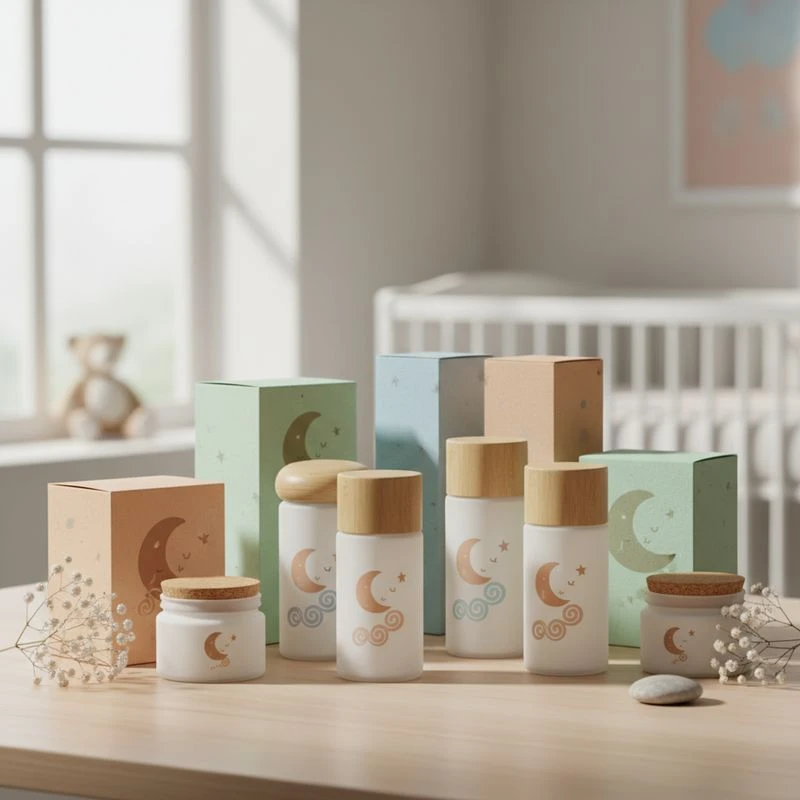
In the vibrant and growing South African market for baby and infant care products, custom packaging isn’t just an option; it’s a strategic imperative for brands seeking to differentiate themselves and build an unwavering foundation of consumer trust. For discerning parents across the Rainbow Nation, the packaging of a baby product is often the first touchpoint, conveying a brand’s commitment to safety, quality, and care long before the product itself is used. Generic, off-the-shelf packaging solutions simply fail to resonate with the emotional depth and critical scrutiny involved in purchasing items for infants. Parents are naturally protective, and their choices are heavily influenced by perceived reliability and the brand’s attention to detail, which is immediately visible in thoughtful, purpose-driven packaging. This competitive landscape demands that brands go beyond mere functionality, embracing custom designs that speak directly to the unique needs and aspirations of South African families, reflecting local cultural nuances and the high standards expected for delicate baby products.
The reasoning behind this approach is multifaceted. Firstly, custom packaging provides a unique canvas for storytelling, allowing brands to communicate their values, product benefits, and heritage in a way that generic options cannot. For instance, a local South African brand might incorporate indigenous patterns or colours that evoke a sense of warmth and belonging, creating an immediate emotional connection with its target audience. Secondly, it offers superior protection tailored to the specific product, whether it’s fragile glass bottles of formula, delicate wipes, or sensitive skin creams, ensuring they arrive in pristine condition and maintain their efficacy. Thirdly, in a market where trust is paramount, bespoke packaging signals a premium product, reinforcing the idea that the brand has invested significant thought and resources into every aspect of its offering. This elevates the product above competitors, justifying its price point and fostering long-term loyalty among parents who prioritize quality for their little ones.
To effectively leverage custom packaging in the South African baby market, brands must undertake several actionable steps. Begin by conducting thorough market research to understand the specific demographics, purchasing habits, and cultural sensitivities of your target consumers within South Africa. Are you targeting urban professionals, rural communities, or a specific cultural group? This insight will inform design choices, language, and even material preferences. Next, define your brand’s unique selling proposition (USP) and translate it into a compelling visual identity for your packaging. This involves selecting a colour palette that evokes warmth and safety, typography that is clear and friendly, and imagery that resonates with parents. Consider the practical aspects, such as ease of opening for new parents who often have their hands full, and the ability to reseal effectively to maintain hygiene and freshness. Engaging with local design agencies that understand the South African context can prevent potential pitfalls such as misinterpreting cultural symbols or failing to appeal to the diverse consumer base. For example, using imagery that is too Western-centric might alienate a significant portion of the market. Furthermore, always keep an eye on evolving consumer preferences, such as the increasing demand for eco-friendly solutions, which could be a significant differentiator in this segment.
Safety Design
When it comes to custom packaging for baby and infant care products in the South African market, safety is not merely a feature; it is the absolute foundation upon which all design and manufacturing decisions must be built. The paramount vulnerability of infants means that any potential hazard, no matter how small, must be meticulously mitigated. Packaging must do more than just contain the product; it must actively prevent harm, whether through accidental ingestion, choking on small parts, exposure to toxic materials, or tampering. Adherence to stringent South African national standards, such as those set by the South African Bureau of Standards (SABS), alongside relevant international safety guidelines, is non-negotiable. Failing to prioritize safety in design can lead to severe consequences, including product recalls, legal liabilities, irreparable damage to brand reputation, and most importantly, harm to a child. Parents in South Africa, like those globally, place an incredibly high value on the safety of products they introduce into their child’s environment, making robust safety design the ultimate trust builder.
The reasoning for this intense focus on safety is rooted in the unique developmental stage of infants. Their exploratory nature means that anything within reach is likely to be put in their mouths, chewed, or manipulated. This necessitates the elimination of small, detachable components that could pose a choking hazard. Furthermore, the selection of packaging materials, inks, and adhesives must be rigorously screened for toxicity, ensuring they are free from harmful chemicals like phthalates, BPA, and heavy metals, which could leach into the product or be ingested directly. Tamper-evident seals are crucial to assure parents that the product has not been opened or contaminated since leaving the manufacturing facility, providing peace of mind in an era of heightened health awareness. Clear, unambiguous labelling is also a critical safety feature, providing vital information on ingredients, usage instructions, age suitability, and allergen warnings, allowing parents to make informed decisions and prevent misuse. Beyond physical safety, the structural integrity of the packaging itself must be robust enough to withstand typical handling, storage, and transport without breaking or compromising the product inside.
Brands looking to excel in safety design for custom baby packaging in South Africa should implement a multi-layered approach. Firstly, prioritize child-resistant closures for products that could be harmful if ingested, such as medications, cleaning agents, or certain creams. These closures should be challenging for young children to open but still manageable for adults. Secondly, select only food-grade and medical-grade materials where appropriate, ensuring all inks and adhesives used are certified non-toxic and low-migration. Demand supplier certifications and conduct independent third-party testing to verify material safety. Thirdly, integrate tamper-evident features such as induction seals, shrink bands, or safety tabs that visibly indicate if the package has been opened. Fourthly, design packaging with smooth edges and rounded corners to prevent cuts or scrapes, avoiding any sharp protrusions. Finally, develop comprehensive, clear, and concise labelling that includes all necessary warnings, usage instructions, and ingredient lists, potentially in multiple official South African languages to ensure broad understanding. Regular risk assessments throughout the design and manufacturing process are essential to identify and mitigate potential hazards proactively. A common pitfall is to overlook the “lifecycle” of the packaging – from purchase, through use in a busy home, to disposal – and how safety considerations evolve at each stage. For example, ensuring the package doesn’t become a hazard once emptied, or that parts don’t easily detach during typical use.
| Safety Aspect | Specification/Parameter | Why it’s Crucial for SA Baby Market |
|---|---|---|
| Material Toxicity | BPA-free, Phthalate-free, Heavy Metal-free (e.g., Lead, Cadmium). SABS certified food-grade/medical-grade plastics. | Infants’ developing systems are highly susceptible to chemical exposure; parents demand non-toxic materials for peace of mind. |
| Choking Hazards | No small, detachable parts (under 3cm diameter/length). Securely attached lids/components. | Infants explore by mouth; preventing choking is a primary concern for all baby products. |
| Child-Resistant Closures | Compliant with ISO 8317 or equivalent for products posing ingestion risk. | Essential for preventing accidental access to potentially harmful contents like medicines or concentrated formulas. |
| Tamper-Evident Seals | Induction seals, shrink bands, tear strips, or breakable tabs. | Assures parents the product is untouched, maintaining hygiene and preventing contamination critical for infant health. |
| Structural Integrity | Durable materials resistant to tearing, breaking, or puncturing during normal use and transport. | Ensures product protection from damage and prevents sharp edges or broken pieces from forming. |
| Clear Labelling | High contrast, legible font, unambiguous warnings, ingredient lists, age recommendations, usage instructions. Multilingual options. | Empowers South African parents to make informed, safe choices and use products correctly, respecting linguistic diversity. |
This table outlines fundamental safety parameters essential for custom packaging for baby and infant care products tailored for the South African market. Adhering to these specifications not only meets regulatory requirements but significantly builds parental trust and reinforces a brand’s commitment to child welfare. Each aspect is critical for preventing potential hazards specific to infants.
B2B Manufacturing
For brands operating in the South African baby and infant care product sector, the selection of the right B2B manufacturing partner for custom packaging is a pivotal decision that directly impacts product quality, cost-effectiveness, supply chain reliability, and market compliance. It’s not merely about finding a vendor; it’s about forging a strategic partnership with a manufacturer who understands the unique complexities and sensitivities associated with baby products. The stakes are incredibly high, as any misstep in manufacturing can compromise product safety, lead to costly recalls, damage brand reputation, and ultimately jeopardize the well-being of infants. Therefore, the choice of a manufacturing partner must be approached with diligent scrutiny, prioritizing their capabilities, quality control protocols, ethical practices, and ability to meet the stringent demands of the baby care industry, especially when catering to the South African consumer base with its specific regulatory and logistical environment.
The reasoning behind this meticulous selection process is rooted in several critical factors. First, manufacturing baby product packaging requires specialised equipment and expertise to handle sensitive materials, ensure precise printing of safety information, and incorporate child-resistant features accurately. A standard packaging manufacturer might lack the specific certifications or quality control systems necessary for such delicate products. Second, consistent quality is non-negotiable. Variations in material thickness, print clarity, or seal integrity can all lead to product failures, which are unacceptable for baby care items. A reliable B2B partner will have robust Quality Assurance (QA) and Quality Control (QC) processes in place, including rigorous testing at every stage of production. Third, managing the supply chain efficiently is crucial for maintaining stock levels and responding to market demands in South Africa. A manufacturer with a strong track record in logistics, inventory management, and timely delivery can prevent costly delays and ensure product availability. Lastly, economies of scale and cost-effectiveness without compromising quality are vital. A reputable partner can offer competitive pricing through optimised processes and bulk material sourcing, passing on savings that help maintain competitive retail prices in the South African market.
To navigate the complexities of B2B manufacturing for custom baby packaging in South Africa, brands should follow a structured approach. Start with comprehensive due diligence, requesting detailed information on potential manufacturers’ certifications (e.g., ISO 9001 for quality management, specific food-grade or medical-grade certifications, or SABS compliance if applicable), auditing their facilities in person if possible, and requesting client references, particularly those in the baby care sector. Establish crystal-clear communication channels and provide precise specifications for your packaging, including material type, dimensions, safety features, print colours (using Pantone Matching System for consistency), and any specific regulatory requirements for the South African market. During the contract negotiation phase, ensure that clauses cover quality control metrics, acceptable defect rates, intellectual property protection, lead times, and contingency plans for unforeseen issues. It’s also wise to engage in pilot runs or sample productions to evaluate the manufacturer’s capability to produce your specific packaging to your exact standards before committing to large-scale orders. A common pitfall is choosing a manufacturer based solely on the lowest price without adequately vetting their quality control and experience with baby-specific packaging, which can lead to disastrous long-term consequences. Building a relationship based on transparency, mutual trust, and a shared commitment to infant safety is paramount for successful B2B manufacturing in this sensitive sector.
| Parameter | Description | Impact on South African Baby Market |
|---|---|---|
| Certifications & Compliance | ISO 9001, HACCP, GMP, SABS standards for materials and safety. | Ensures adherence to local and international quality and safety benchmarks, critical for parental trust and regulatory approval in SA. |
| Quality Control Processes | In-process checks, post-production testing (e.g., leak tests, print adhesion, child-resistance). | Guarantees consistent quality and prevents defective products from reaching the market, crucial for infant safety. |
| Material Sourcing & Traceability | Verified origin of raw materials, sustainable options, clear chain of custody. | Supports ethical production, addresses growing demand for eco-friendly products, and ensures non-toxic components for babies. |
| Production Capacity & Lead Times | Ability to scale production, reliable delivery schedules, responsiveness to demand fluctuations. | Ensures consistent supply for the South African market, prevents stock-outs, and supports timely product launches. |
| Design & Prototyping Capabilities | Expertise in child-resistant features, complex shapes, and material innovations. | Facilitates unique, safe, and functional custom packaging designs that stand out and cater to specific product needs. |
| Cost Efficiency & Value | Competitive pricing without compromising quality, clear cost breakdown. | Enables brands to offer quality products at accessible price points for the diverse South African consumer base while maintaining profitability. |
This table details key parameters brands should evaluate when selecting a B2B manufacturing partner for custom packaging for baby products in South Africa. Each factor plays a vital role in ensuring that the final packaging meets the stringent safety, quality, and market demands of the region.
Soft Materials
The choice of materials for custom packaging in the South African baby and infant care market extends beyond mere functionality; it’s about creating a sensory experience that resonates deeply with parents’ values of gentleness, safety, and increasingly, sustainability. Soft, tactile, and eco-friendly materials aren’t just a trend; they represent a significant enhancement to the user experience, subtly communicating a brand’s ethos and care. Imagine a parent reaching for a pack of baby wipes or a diaper; the immediate sensation of the packaging – whether it feels harsh and flimsy or soft and durable – can significantly influence their perception of the product within. For products designed for the most delicate of users, the packaging should mirror that delicacy, providing a comforting and reassuring touch. Furthermore, with a growing awareness of environmental issues in South Africa, parents are increasingly seeking brands that align with their desire to protect the planet for future generations, making sustainable and soft material choices a powerful differentiator.
The reasoning for prioritizing soft and sustainable materials is multifaceted. Firstly, the tactile experience is an often-underestimated aspect of consumer interaction. Packaging that feels pleasant to touch can create a more positive association with the brand, suggesting the product inside is equally gentle and premium. For baby products, this psychological connection is amplified, as parents are highly attuned to anything that interacts with their child’s sensitive skin. Secondly, the push towards sustainability is a global movement, but it holds particular relevance in South Africa, where environmental consciousness is growing. Parents are increasingly concerned about plastic waste and its impact, leading to a preference for packaging made from recycled, recyclable, biodegradable, or compostable materials. Brands that demonstrate a commitment to eco-friendliness through their material choices can build strong loyalty and appeal to a broader, environmentally conscious demographic. Thirdly, certain soft materials, such as flexible pouches or paper-based solutions, can offer practical benefits like reduced weight for transport, greater space efficiency, and even innovative dispensing mechanisms that are easier for parents to use, enhancing the overall functionality of the packaging.
Implementing soft and sustainable material choices requires careful consideration and a willingness to explore innovative options. Brands should investigate materials like recycled content cardboard and paper for outer packaging, which can be printed with non-toxic, water-based inks to maintain a soft feel and environmental credibility. For primary packaging, explore bioplastics derived from sugarcane or corn starch, which offer the protective qualities of traditional plastics but are biodegradable or compostable. Flexible pouches made from multi-layer films that incorporate recycled content or are designed for mono-material recycling can provide both softness and functionality for products like baby food purees or liquid soaps. Fabric pouches made from organic cotton or jute could also be a unique, reusable option for gift sets or premium items. When making these choices, it’s crucial to assess not only the “softness” and eco-credentials but also the material’s barrier properties, durability, and ability to protect the product effectively throughout its lifecycle. A potential pitfall is selecting a material purely for its perceived softness or eco-friendliness without adequately testing its performance under real-world conditions, such as South Africa’s diverse climates, which could lead to product damage or compromised safety. Brands must balance aesthetic appeal and environmental responsibility with the core requirement of product protection and safety, ensuring that the chosen materials contribute positively to the overall custom packaging for baby and infant care products for the South Africa market.
Branding
In the vibrant and competitive South African market for baby and infant care products, effective branding through custom packaging is the cornerstone of building trust, communicating core values, and forging a deep emotional connection with parents. More than just a container, packaging is a silent ambassador for your brand, telling a story, conveying a promise, and establishing an immediate sense of recognition and familiarity. Parents, particularly new ones, are often overwhelmed by choice and rely heavily on visual cues and brand reputation when making purchasing decisions for their little ones. A strong, consistent, and appealing brand identity on custom packaging can cut through the noise, making your product instantly recognisable and reassuring in a crowded retail environment. This strategic approach to branding goes beyond just a logo; it encompasses the entire visual and tactile experience, speaking directly to the hopes, fears, and aspirations of South African parents who prioritize the well-being and development of their children.
The reasoning behind investing heavily in branding through custom packaging is clear. Firstly, the baby product market is highly emotional. Parents are making choices that directly impact their child’s health and comfort, meaning trust is the ultimate currency. Packaging that looks professional, clean, and caring instills confidence, making parents feel secure in their purchase. Secondly, it allows brands to differentiate themselves in a market often saturated with similar products. Custom designs, unique colour palettes, and distinctive typography can make a product stand out on the shelf, drawing the eye and inviting closer inspection. Thirdly, effective branding communicates your brand’s unique values and story. Whether it’s a commitment to natural ingredients, local sourcing, or innovative design, packaging can powerfully convey these messages. For the diverse South African context, this might involve incorporating design elements that resonate culturally or using imagery that reflects the country’s rich multicultural tapestry. Finally, consistent branding across all product lines and marketing materials builds long-term brand equity, fostering loyalty and making it easier for parents to identify and repurchase products they trust.
To implement effective branding through custom packaging for baby products in South Africa, brands should follow a systematic approach. Begin by developing a clear and compelling brand story that resonates with the values of South African parents – perhaps focusing on local heritage, community, or the nurturing spirit. Translate this story into a cohesive visual identity, including a memorable logo, a carefully chosen colour palette (often soft, calming pastels or bright, playful hues appropriate for babies), and consistent typography that is both legible and friendly. Ensure all visual elements are consistently applied across every product in your range to build strong brand recognition. Incorporate engaging messaging that highlights key benefits, such as “gentle on skin,” “naturally derived,” or “made with love in SA,” using language that is clear, positive, and reassuring. Consider localizing text by including key information in multiple official South African languages where appropriate, demonstrating inclusivity and connecting with a broader audience. Utilize high-quality printing techniques and finishes, such as matte lamination or spot UV, to give the packaging a premium feel, reinforcing the product’s quality. A common pitfall is to create packaging that is aesthetically pleasing but fails to clearly communicate the brand’s identity or product benefits, leading to confusion and missed opportunities. Successful branding ensures that custom packaging for baby and infant care products for the South Africa market is not just an expense, but a strategic investment that pays dividends in trust, loyalty, and market share.
| Branding Element | Description | Relevance for SA Baby Market Success |
|---|---|---|
| Visual Identity | Logo, colour palette (soft pastels/friendly brights), consistent typography, appealing imagery (babies, natural elements). | Establishes immediate recognition and emotional connection, crucial in diverse SA consumer landscape. |
| Brand Story & Messaging | Clear, concise, empathetic text highlighting safety, naturalness, benefits. Local/South African context. | Builds trust by communicating values relevant to SA parents (e.g., family, heritage, care). |
| Cultural Sensitivity | Incorporation of local patterns, colours, or multilingual text where appropriate. | Resonates deeply with diverse South African cultures, fostering inclusivity and broader appeal. |
| Premium Feel & Finish | High-quality printing, tactile finishes (matte, soft-touch), sturdy construction. | Conveys product quality and justifies price point, appealing to parents seeking the best for their child. |
| Clarity & Readability | Easy-to-read fonts, well-organised information, clear product differentiation. | Empowers busy parents to quickly understand product features and benefits, enhancing user experience. |
| Consistency | Uniform branding across all product lines and marketing channels. | Builds strong brand recognition and reinforces trust, making repeat purchases easier for SA consumers. |
This table outlines essential branding elements for custom packaging for baby and infant care products in South Africa. Each element plays a crucial role in shaping parental perception, building trust, and driving brand loyalty in a market where emotional connection and cultural resonance are key determinants of success.
