
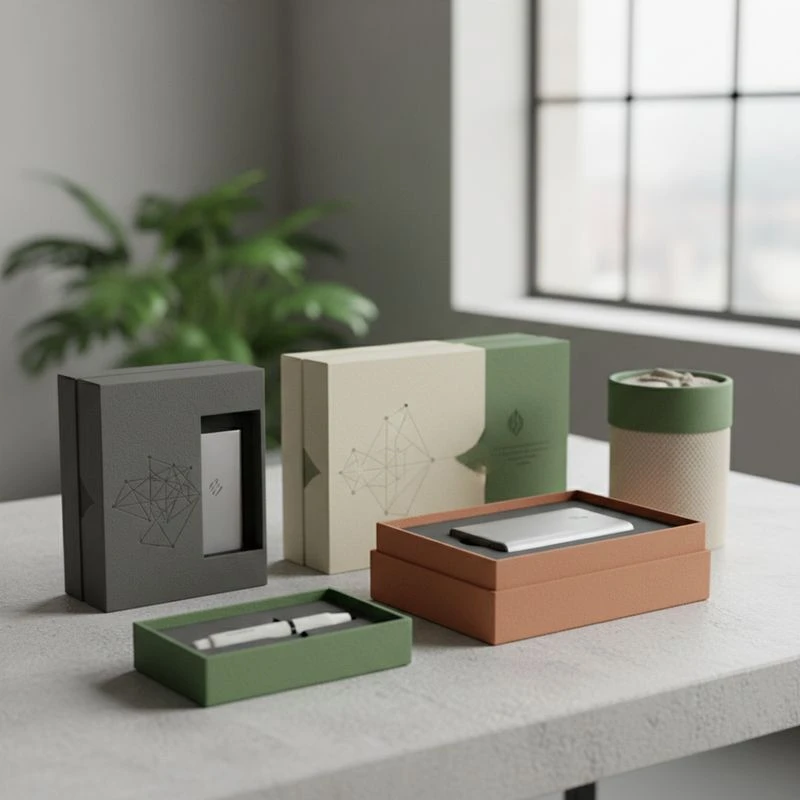
Transforming Promotional Items into Memorable Brand Experiences
Promotional Packaging
In the vibrant and competitive South African B2B landscape, the difference between a forgotten corporate gift and a memorable brand moment often lies in its packaging. The primary takeaway here is that custom packaging for B2B promotional gift items elevates your offering from a mere present to an unforgettable brand experience. It’s the first tangible interaction a recipient has with your gift, setting the stage and influencing their perception before they even see the item itself. Generic packaging diminishes the perceived value of even the most thoughtfully chosen gift, signaling a lack of attention to detail that can inadvertently reflect on your brand’s professionalism. Conversely, bespoke packaging communicates care, quality, and a profound respect for the recipient, reinforcing your brand’s commitment to excellence.
The reasoning behind this impact is multifaceted. Custom packaging serves as a silent ambassador for your brand, extending your messaging beyond the gift itself. It creates an exciting unboxing experience, tapping into human psychology that associates anticipation and surprise with positive feelings. This enhanced emotional connection leads to stronger brand recall and a more favourable impression. In the South African market, where business relationships are often built on trust and personal connection, demonstrating this level of thoughtfulness can significantly bolster your corporate image. Moreover, unique packaging helps your gift stand out in a sea of generic items, ensuring it captures attention and leaves a lasting mark, rather than being quickly discarded or forgotten.
To implement this effectively, start by defining the core purpose of your gift and understanding your target audience’s preferences and expectations. Are you aiming for a luxury feel for high-value clients, or a sustainable message for eco-conscious partners? Your budget for packaging should be considered an investment, not an afterthought. Practical steps include brainstorming design concepts that align with your brand identity and the gift’s message, considering the recipient’s journey from receiving the package to uncovering its contents. For instance, a beautifully designed box with a magnetic closure for an executive gift implies sophistication, while a reusable fabric pouch for a tech gadget speaks to innovation and practicality. Don’t shy away from local suppliers who understand the South African aesthetic and logistical nuances. A common pitfall is opting for the cheapest solution, which often results in flimsy materials or poor print quality that undermines your brand. Another is failing to integrate the packaging design seamlessly with your existing corporate branding. The solution involves prioritizing quality materials, investing in professional design services, and conducting thorough checks to ensure the final product perfectly reflects your brand’s values and commitment to its recipients, ensuring your promotional packaging truly shines.
Corporate Branding
Your custom packaging is far more than just a protective shell; it’s a dynamic extension of your corporate brand identity, a silent yet powerful salesperson working to reinforce your message. The key takeaway here is that every surface of your promotional gift packaging is an opportunity to communicate your brand values, mission, and professionalism, especially within the South African business context where brand reputation is paramount. Imagine your logo, corporate colours, and even a subtle brand story woven into the very fabric of the packaging; this creates a cohesive and immersive brand experience that resonates deeply with the recipient, fostering a stronger connection and encouraging long-term relationships.
The reasoning behind this powerful impact lies in consistency and perception. When your packaging consistently reflects your brand’s visual identity – from the precise shade of your corporate blue to the exact font used for a tagline – it builds trust and recognition. This meticulous attention to detail signals that your company operates with high standards, extending that perception to the quality of your products or services. In a market like South Africa, where businesses often seek reliable and trustworthy partners, a strong and consistent brand presentation through custom packaging reinforces your credibility. It transforms a simple gift into a tangible representation of your brand’s promise, enhancing recall and ensuring your company remains top-of-mind whenever the recipient interacts with the gift or its packaging. Furthermore, it allows you to subtly convey your brand personality, whether it’s innovative, luxurious, sustainable, or community-focused, adding layers of meaning to your promotional efforts.
To leverage packaging for superior corporate branding, begin by ensuring that your brand guidelines are meticulously applied to every element of the packaging design. This includes exact colour matching using Pantone codes, consistent logo placement and sizing, and the appropriate use of brand fonts. Consider incorporating a QR code that links to a corporate video, a sustainability report, or a personalised message from your CEO, making the packaging an interactive touchpoint. For the South African market, it’s also wise to consider any cultural nuances; ensuring imagery or patterns are respectful and relevant can further enhance connection. A common pitfall is inconsistent branding across different promotional items or packaging types, which dilutes your brand message and can appear unprofessional. Another is using low-quality printing that distorts colours or makes logos appear blurry, thereby cheapening the brand image. The solution involves working with experienced graphic designers who specialise in packaging and understand brand guidelines intimately. Always request physical proofs to check colour accuracy and material feel before committing to a large production run. Developing a detailed style guide specifically for your custom packaging for B2B promotional gift items will ensure every package, regardless of when or where it’s produced, adheres strictly to your corporate branding standards, making every gift a true ambassador for your business.
B2B Design
When crafting custom packaging for B2B promotional gift items, the design approach must fundamentally differ from B2C retail. The crucial takeaway is that B2B packaging design prioritises sophistication, durability, and a clear reflection of professional relationships, focusing on both aesthetic appeal and practical functionality for a discerning corporate audience. Unlike consumer packaging that might chase fleeting trends or impulse buys, B2B gifts are often given to key stakeholders, decision-makers, or valued partners, requiring packaging that conveys respect, gravitas, and a long-term perspective. It’s about creating an experience that aligns with the recipient’s professional environment and underscores the value of your business relationship.
The reasoning behind this lies in the context of B2B gifting. These gifts are often received in an office setting, handled by administrative staff, or even stored for a period. Therefore, packaging needs to be robust enough to withstand potential transit and handling without compromising its pristine appearance. An elegant, sturdy design ensures that the gift arrives intact and continues to impress long after the initial unboxing. Furthermore, B2B design often aims for a subtle luxury or refined utility rather than overt flashiness. It should communicate that you’ve put thought and investment into the gesture, aligning with the professional standards typically expected in corporate interactions. In the South African market, where business decorum and quality presentation are highly regarded, a well-executed B2B packaging design can significantly enhance how your corporate gesture is perceived, solidifying your brand’s reputation for professionalism and attention to detail.
To achieve impactful B2B packaging design, start by focusing on clean lines, premium finishes, and a material palette that exudes quality. Consider features like magnetic closures, debossed logos, or custom inserts that securely cradle the gift item while enhancing its presentation. Practicality is key: ensure the packaging is easy to open without being flimsy, and that it protects the item effectively during shipping or hand-delivery. For example, a custom-fitted foam insert for a delicate tech gadget within a rigid box not only protects but also presents the item with precision. A significant pitfall in B2B packaging design is creating something overly complicated or difficult to store, or conversely, something so generic it fails to make an impression. Another common error is using materials that are perceived as cheap or unsustainable, which can contradict your brand’s values. The solution involves collaborating closely with packaging designers who understand B2B aesthetics and logistics. Prototype testing is essential to ensure functionality and durability. Explore sustainable material options that align with corporate responsibility goals, such as recycled board or biodegradable plastics, which are increasingly valued in the South African market. By integrating form, function, and brand messaging, your custom packaging for B2B promotional gift items will not only delight recipients but also reinforce your company’s professional image and commitment to quality.
| Packaging Material | Key Characteristics for Custom Packaging for B2B Promotional Gift Items | Pros | Cons |
|---|---|---|---|
| Rigid Cardboard/Chipboard | High-density, durable paperboard, often wrapped with decorative paper (e.g., luxury gift boxes). | Excellent protection, premium feel, highly customisable with various finishes (laminations, textures). | Higher cost, heavier for shipping, can be bulky. |
| Corrugated Cardboard | Fluted paper layer between two flat liners (e.g., mailer boxes, shipping boxes). | Strong, lightweight, cost-effective for larger items, good for shipping protection. | Less premium feel than rigid boxes, printing can be less refined on outer layer. |
| Kraft Paper/Board | Recycled or virgin wood pulp, natural brown or bleached white, often uncoated. | Eco-friendly perception, rustic/natural aesthetic, cost-effective, easily recyclable. | Limited premium finishes, can appear less “luxury” without embellishments, less robust than rigid board. |
| Sleeve & Tray (Cardboard) | A sliding outer sleeve and an inner tray, usually from cardstock. | Elegant unboxing experience, compact, good for smaller items, cost-effective. | Less protective for very fragile items, can slip open if not designed well. |
| Fabric Pouches/Bags | Cotton, jute, velvet, or non-woven fabrics. | Reusable, soft texture, premium or eco-friendly feel depending on fabric. | Less structural protection, higher cost for quality fabrics, branding often limited to printing/embroidery. |
This table outlines popular material choices for custom packaging, each offering distinct advantages and considerations for B2B promotional gifts. Understanding these characteristics helps in selecting the optimal material that aligns with your brand’s image, the gift’s nature, and your budget. The choice of material significantly impacts the recipient’s first impression and the perceived value of your gesture.
Printing
The quality of printing on your custom packaging for B2B promotional gift items is not merely an aesthetic detail; it is a critical determinant of your brand’s perceived professionalism and attention to detail. The central takeaway here is that high-quality printing is non-negotiable for conveying professionalism, ensuring brand integrity, and making a lasting, positive impression on your corporate recipients. Blurry logos, mismatched colours, or smudged text can instantly cheapen your offering, undermining all the thought and investment put into selecting the gift itself and designing its packaging. In the discerning South African market, where businesses often associate quality with reliability, impeccable printing speaks volumes about your company’s standards.
The reasoning is simple yet profound: printing is where your digital design translates into a tangible reality. Any discrepancies between your brand guidelines and the final print can lead to brand dilution and confusion. Accurate colour reproduction, crisp imagery, and sharp text demonstrate precision and care, reflecting positively on your brand’s overall commitment to excellence. Different printing techniques offer varied benefits and are suited to different materials and budget points. Understanding these options allows you to make informed decisions that ensure your packaging not only looks fantastic but also aligns with your brand’s specific requirements. For instance, a rich, vibrant print might be perfect for a youthful, dynamic brand, while a subtle, embossed finish could be ideal for a luxury brand seeking a sophisticated touch. The correct printing method ensures your packaging stands out for all the right reasons.
To guarantee superior print quality, begin by providing your packaging supplier with high-resolution, vector-based artwork files for logos and graphics. Always specify CMYK colour profiles for print jobs, as RGB is for screens and can result in colour shifts. Don’t hesitate to request physical proofs or samples before full production runs, especially for critical elements like brand colours. This allows you to inspect the print quality, colour accuracy, and material feel firsthand. A common pitfall is relying solely on digital proofs, which can’t accurately represent how colours will appear on different materials or under various lighting conditions. Another mistake is choosing a printing method ill-suited for the packaging material, leading to poor adhesion or an undesirable finish. The solution involves consulting closely with your chosen packaging printer; they are experts in their field and can guide you on the best techniques for your specific design, material, and budget. For example, offset printing is ideal for large volumes and precise colour matching, ensuring consistency across thousands of units. Digital printing offers flexibility for smaller runs and variable data printing (e.g., individual recipient names), while speciality techniques like foil stamping, embossing, or debossing can add a luxurious tactile element that truly elevates your custom packaging for B2B promotional gift items, leaving a premium and memorable impression.
| Printing Technique | Description for Custom Packaging for B2B Promotional Gift Items | Best For | Considerations |
|---|---|---|---|
| Offset Printing | Ink transferred from a plate to a rubber blanket, then to the printing surface. Excellent colour accuracy and consistency. | Large production runs, detailed images, precise brand colour matching (Pantone). | Higher setup costs, less cost-effective for small quantities. |
| Digital Printing | Uses toner or liquid ink directly from a digital file to the printing surface. No plates required. | Small to medium runs, variable data printing (personalisation), quick turnaround. | Colours may vary slightly from offset, higher cost per unit for very large runs. |
| Screen Printing | Ink pushed through a mesh stencil onto the material. Creates thick, vibrant layers of ink. | Bold graphics, solid colours, special effects (glitter, UV spot), suitable for various materials like fabric. | Less suitable for fine details or photographic images, can be slower than other methods. |
| Foil Stamping | A heated die presses metallic or pigmented foil onto the surface. Creates a shimmering, raised effect. | Premium finishes, logos, text, adds luxury and tactile appeal. | Adds significant cost, only suitable for specific areas, limited colour palette (foil colours). |
| Embossing/Debossing | Die and counter-die press the material to create a raised (emboss) or sunken (deboss) image without ink. | Subtle brand elements, elegant texture, tactile experience. | Adds cost, limited to areas where the die can be pressed, can distort print on the reverse side. |
This table provides a concise overview of common printing techniques applicable to custom packaging for B2B promotional gift items. Each method offers unique advantages in terms of cost, visual impact, and suitability for different materials and design intricacies. Choosing the right technique is paramount to achieving the desired brand representation and ensuring the quality of your corporate gifts.
Display
The journey of your custom-packaged B2B promotional gift items doesn’t end when the printing is done; how it is ultimately displayed and presented to the recipient is the final, pivotal step that solidifies the entire brand experience. The key takeaway is that thoughtful display and presentation amplify the perceived value of your gift, creating a memorable unboxing moment and reinforcing your brand’s commitment to excellence and its relationship with the recipient. Whether hand-delivered, presented at an event, or shipped across the country, the moment of interaction is where all your design and printing efforts culminate, and it must be executed flawlessly to leave a lasting positive impression, particularly in the relationship-driven South African business environment.
The reasoning behind this emphasis on display is rooted in human psychology and the importance of ceremony. A beautifully displayed gift creates anticipation and excitement, transforming a simple exchange into an event. It underscores the care and intention behind the gesture, communicating that the recipient is truly valued. Imagine a perfectly branded box nestled within an elegant custom gift bag, complete with tissue paper and a handwritten note – this creates a multi-layered reveal that builds suspense and delight. Conversely, a premium gift carelessly handed over or placed in a flimsy, unbranded bag can diminish its impact, making the entire effort feel less significant. The presentation acts as the final polish, ensuring that the recipient feels special and that your brand’s message of quality and consideration is delivered effectively from start to finish.
To optimise the display of your custom-packaged B2B gifts, consider the entire recipient journey. If gifts are being shipped, invest in sturdy mailer boxes that are not only protective but also branded externally, ensuring the package makes a statement even before it’s opened. Include internal fitments or tissue paper to secure the item and enhance the “reveal.” For hand-delivered gifts or presentations at corporate events in South Africa, consider custom-designed gift bags that match your primary packaging, perhaps incorporating branded ribbons or a personalised tag. These small details contribute significantly to the overall perceived value. A significant pitfall is neglecting the external shipping packaging or the immediate presentation context, resulting in a damaged or unceremonious arrival that detracts from the meticulously designed inner packaging. Another is failing to include complementary items like a branded thank-you card or a brochure, which could further enhance the message. The solution involves planning for every touchpoint. Design packaging that can withstand its intended display or transit method. If using a courier, communicate the delicate nature of the items. For events, ensure your team is trained on how to present the gifts elegantly. By integrating a holistic approach from initial design to final display, your custom packaging for B2B promotional gift items will not only protect its contents but also powerfully communicate your brand’s commitment to quality, thoughtfulness, and lasting professional relationships, turning a simple gift into a truly memorable experience.
